
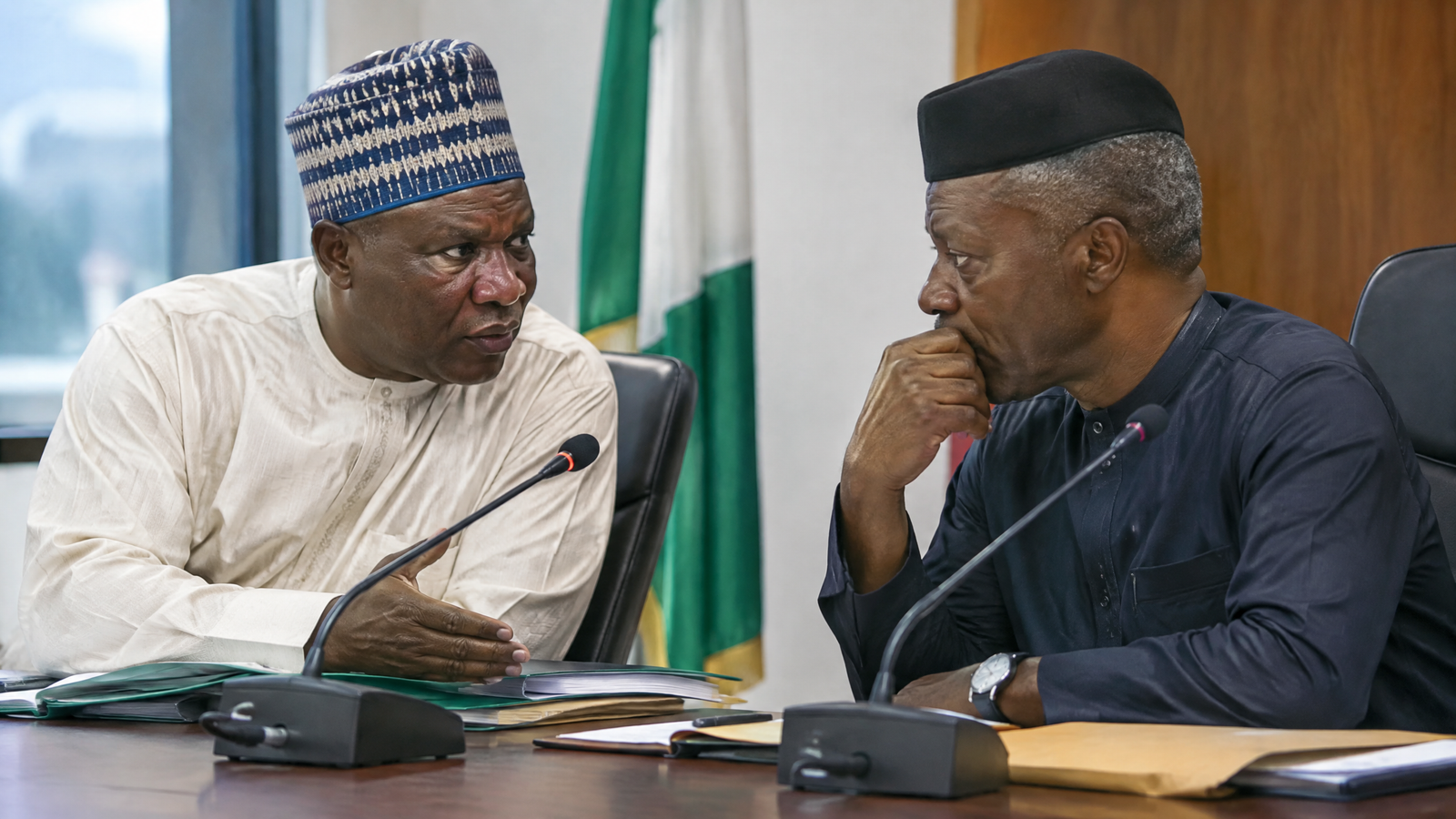
Fresh contact between Peter Obi and Seyi Makinde has revived speculation about a broad opposition coalition ahead of Nigeria’s 2027 presidential election. Their recent appearances together have created a political signal, but a signal is not yet an alliance.
Why the meeting matters
Obi and Makinde occupied different political lanes during the 2023 election cycle. Their renewed engagement, reportedly centred on national interest, governance and 2027 calculations, has therefore attracted attention from parties and groups searching for a stronger common platform.
Coalition hopes run into competing ambitions
A united front would have to bring together leaders with presidential ambitions of their own. The difficult questions include who becomes the consensus candidate, who accepts a running-mate arrangement and how the coalition shares influence across regions and parties.
Four barriers stand out
The first is personal ambition. The second is zoning, with competing expectations over which part of the country should produce the ticket. The third is organisation: a late alliance would have to integrate party structures across states quickly. The fourth is trust, especially after the divisions that separated opposition forces during the last election.
Supporters may point to the arithmetic of combining votes that were previously split. But votes do not automatically transfer between parties. A coalition would need credible local structures, agents, funding, messaging and a process that supporters accept.
Kitchen-table issues could decide the contest
Even a well-organised opposition would still have to persuade voters on food prices, transport, electricity and security. The governing party’s record and control of federal institutions would remain significant advantages, while any opposition campaign would need a clear plan rather than a simple anti-incumbent message.
Conclusion
The Obi–Makinde rapprochement is best understood as an early test of whether opposition leaders can replace fragmentation with strategy. If it produces a shared platform and working structures, it could become politically meaningful. If not, it will remain an interesting set of photographs and conversations.
Read related coverage on party organisation, state-level political tension and regional political leadership.