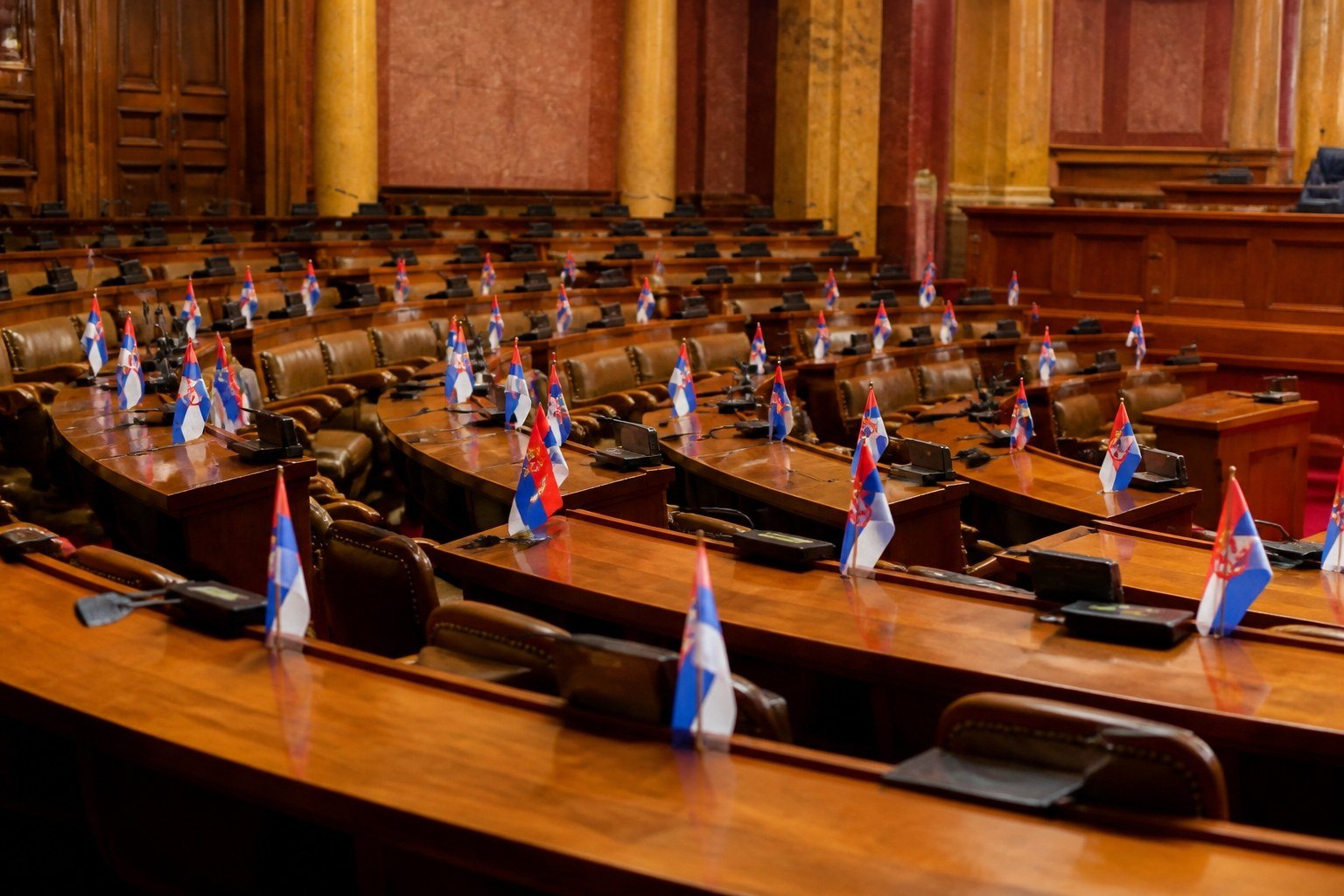
With the campaign train barely out of the station, the borrowing bill has arrived. President Bola Tinubu has asked the National Assembly to approve fresh external loans of $20.5 billion and €1.04 billion to fund what his letter describes as critical infrastructure and development projects — a request read by Senate President Godswill Akpabio during Tuesday’s plenary.
What Was Requested
The President’s letter, read on the Senate floor on Tuesday, seeks legislative approval for the two facilities — a combined package that runs past ₦30 trillion at recent exchange rates once converted. The administration’s case is the familiar one: infrastructure that pays for itself in growth, completed rather than abandoned, financed over decades rather than squeezed out of today’s budget.
| Facility | Amount |
|---|---|
| US dollar loan | $20.5 billion |
| Euro loan | €1.04 billion |
Why the Timing Is Sparking Pushback
The political arithmetic is doing as much work as the financial one. The request lands with less than 110 days to the 2027 general election — a campaign the President personally flagged off in Kaduna barely 72 hours earlier — and critics are asking why fresh foreign debt is being taken on at the very moment voters are being asked to trust the reform story. With the naira under renewed pressure — our report tracks the naira’s two-day slide despite strong external reserves — every new dollar obligation feeds the debt-service conversation that has defined recent budget cycles.
The Questions the Debate Will Turn On
- What exactly is it for? “Critical infrastructure and development projects” is a wide umbrella; line-item detail is what turns a loan request into a defensible plan.
- What are the terms? Tenor, interest and concessionality decide whether this is cheap money well spent or tomorrow’s arrears.
- What does it do to the naira? Inflows can steady the FX market short-term while the repayments quietly compound — the trade-off visible in our cost-of-living tracking and the fuel price pressures households are absorbing.
What Happens Next
The request now goes through the legislative mill — committee scrutiny, debate, and a vote in both chambers. Approvals of this size have historically moved fast when the leadership is aligned, and the Senate President’s decision to read it in open plenary signals the administration wants momentum. Watch for the appropriation committees’ breakdown; that document, more than the headline figure, will show whether the borrowing is building assets or bridging gaps.
Final Word
Nigeria has always borrowed; the argument is never whether, but what for and on whose watch. Asking for $20.5 billion and €1.04 billion with the election already in motion guarantees this debate will be political as well as economic — and it joins a campaign season already crowded with storylines, from the Kaduna flag-off that opened the 2027 race to the economy the candidates will argue over, including where opportunities like the Dangote Refinery IPO for retail investors fit in the bigger growth picture.