

Introduction
Nigeria, often called the Giant of Africa, is a land of immense opportunities and vibrant culture. However, for both residents and those considering a move, understanding the true cost of living is crucial. As of 2026, economic dynamics, inflation, and regional variations significantly influence daily expenses. This updated guide aims to provide a realistic overview of what it costs to live comfortably (or even just survive) in Nigeria, helping you budget effectively and make informed decisions.
1. Housing: The Biggest Slice of the Pie
Rent is arguably the largest single expense for most Nigerians, especially in major cities like Lagos, Abuja, and Port Harcourt. The cost varies dramatically based on location, type of accommodation, and amenities. A decent two-bedroom apartment in a middle-class area of Lagos could range from ₦800,000 to ₦2,500,000 annually, while similar accommodation in a less urbanized state might be significantly cheaper. For those considering relocating to Nigeria, it’s vital to research specific neighborhoods thoroughly. Our article on Moving Back to Nigeria? 7 Things You Must Know Before You Relocate in 2026 offers deeper insights into this and other relocation considerations.
2. Transportation: Navigating the Nigerian Roads
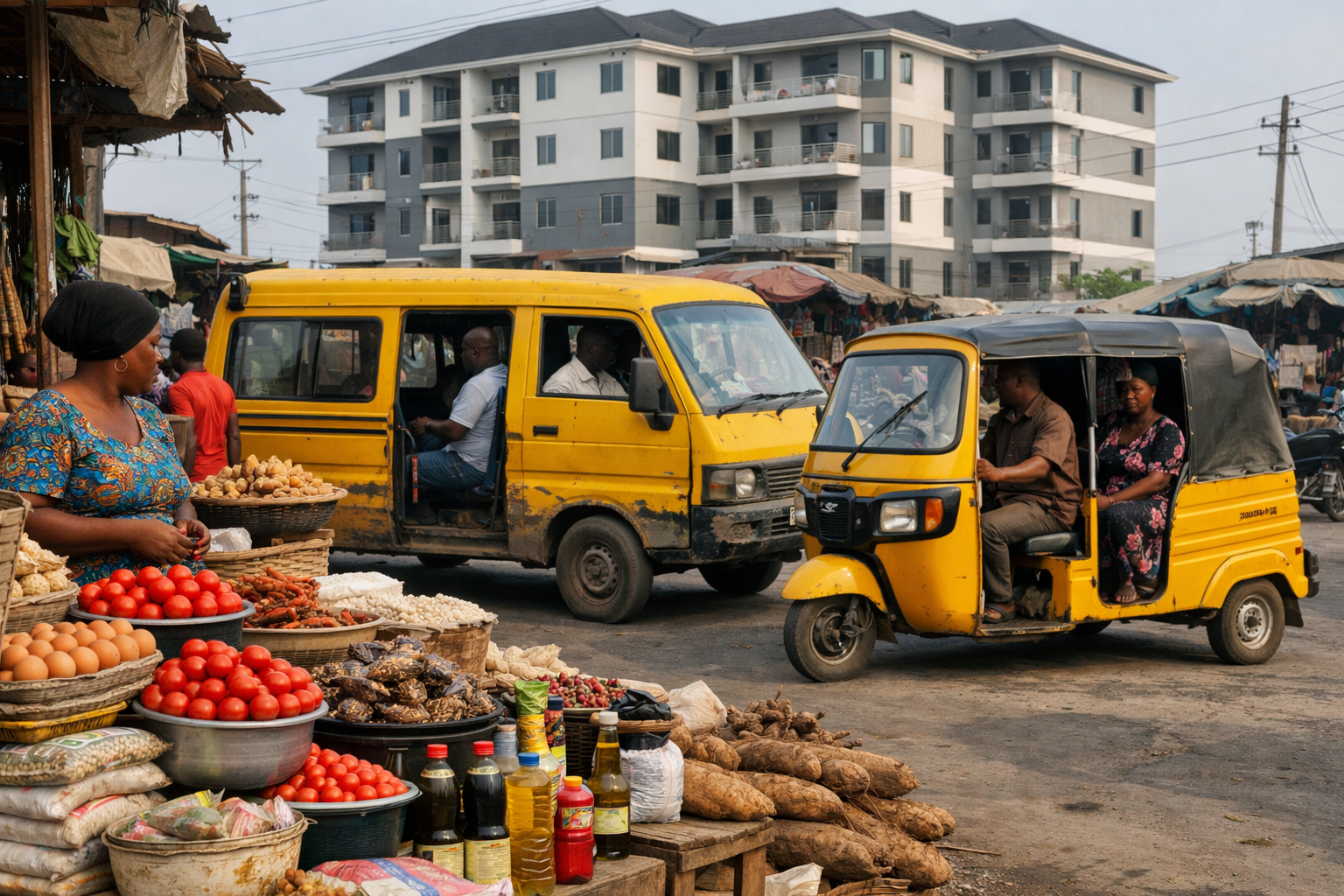
Transportation costs depend heavily on your location and preferred mode of travel. In cities, public transport (danfo, Keke Napep, Okada, and ride-hailing services like Bolt and Uber) is widely used. While generally affordable for short distances, daily commutes can add up. Owning a car comes with expenses like fuel (which can fluctuate), maintenance, and insurance. For those in remote areas, inter-state travel costs can also be a significant factor. Planning your daily commute and understanding local transport options can help manage these costs.
3. Food: From Local Markets to Supermarkets
Food expenses are a major component of the cost of living. Shopping at local markets for fresh produce, grains, and staples is generally more economical than frequenting supermarkets, especially for those on a tight budget. However, prices for imported goods in supermarkets can be quite high. A family of four might spend anywhere from ₦80,000 to ₦200,000 monthly on groceries, depending on their dietary habits and where they shop. Eating out frequently, especially in upscale restaurants, will significantly increase this budget.
4. Utilities and Services: Beyond the Basics
Utility costs in Nigeria include electricity, water, and internet. Electricity supply can be inconsistent, leading many households to rely on generators, which adds to fuel and maintenance costs. Internet services have become more accessible but can still be pricey for reliable, high-speed connections. Other services like waste disposal, security, and sometimes even water supply might incur additional charges, especially in private estates. It’s important to factor in these often-overlooked expenses when budgeting.
5. Healthcare and Education: Investing in the Future
Healthcare costs vary widely. While public hospitals offer more affordable services, many prefer private clinics and hospitals for better facilities and shorter wait times. Health insurance is becoming more common but is not yet universal. For education, public schools are generally cheaper, but private and international schools, especially in urban centers, can be very expensive. These costs are significant considerations for families with children. Understanding the financial landscape is key to making informed decisions about these critical services.
Conclusion
The cost of living in Nigeria in 2026 is a complex picture, influenced by inflation, location, and individual lifestyle choices. While some aspects remain affordable, others, particularly housing and certain imported goods, can be quite high. Effective budgeting, strategic shopping, and understanding local dynamics are essential for managing expenses. Whether you’re a student looking for side hustles to support yourself, or an entrepreneur navigating the business landscape, a clear grasp of living costs will empower you to thrive. For students seeking to augment their income, our article on Best Side Hustles for Students in Nigeria provides excellent options. Similarly, if you’re exploring entrepreneurial ventures, consider reading about Why POS Business is Still a Goldmine in Nigeria for a low-capital entry point into the financial services sector.