

Introduction
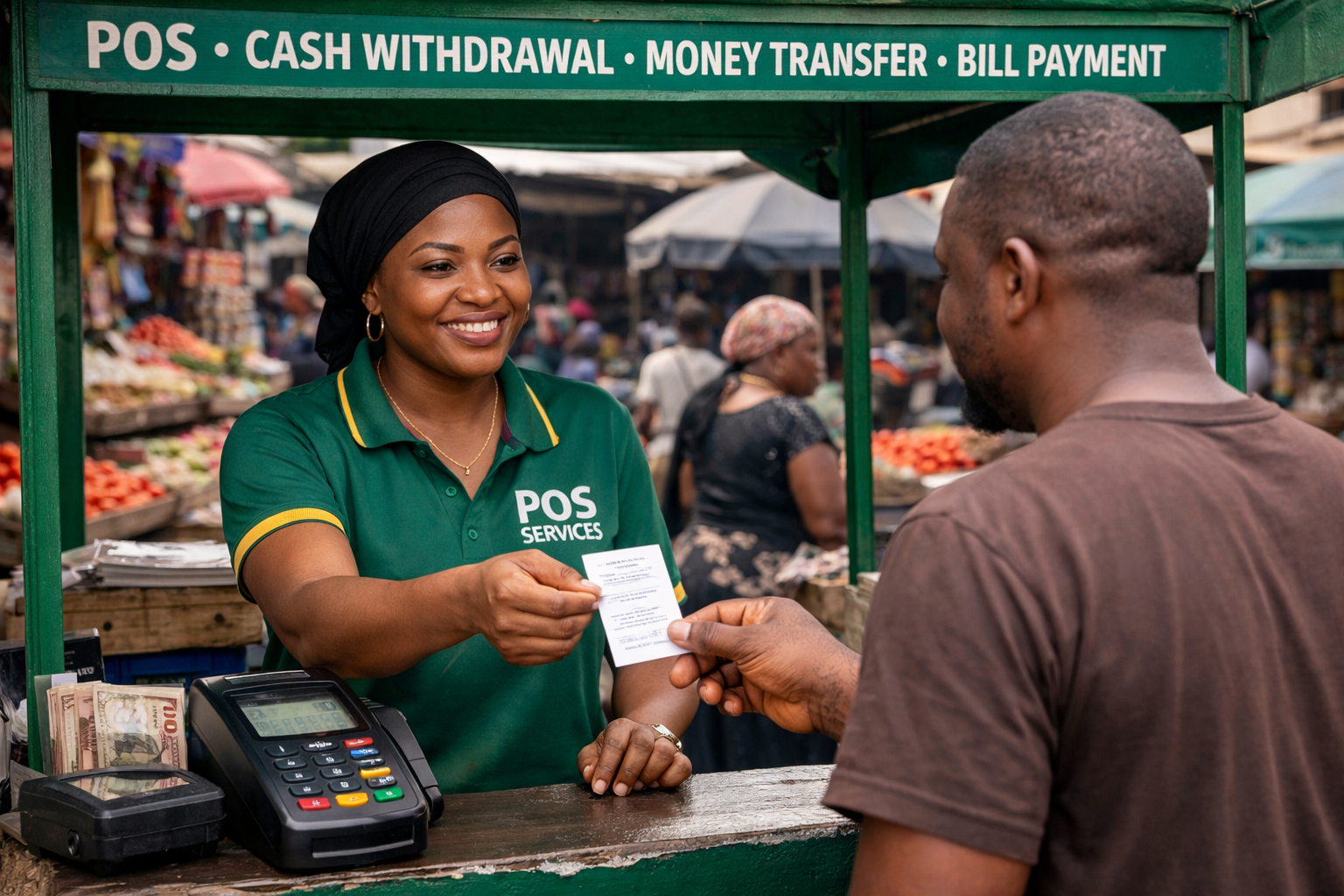
In Nigeria, the Point of Sale (POS) business has evolved from a simple cash-out service to a comprehensive agency banking solution. Despite the proliferation of agents, the demand for convenient financial services, especially in underserved areas, continues to make the POS business a veritable goldmine. In 2026, with increasing digital adoption and a growing need for financial inclusion, understanding the nuances of this business can set you on a path to significant earnings. This guide will break down why POS is still a lucrative venture and how you can start small and scale up.
1. The Enduring Demand for Cash and Basic Financial Services
While digital payments are on the rise, cash remains king for many transactions in Nigeria, particularly in rural and semi-urban areas where traditional banks are scarce. POS agents bridge this gap, offering essential services like cash withdrawals, deposits, and transfers. The convenience they provide, often available beyond banking hours, makes them indispensable to communities. This consistent demand ensures a steady flow of customers, making the business resilient to market fluctuations.
2. Beyond Cash: Diversifying Your Services
Modern POS businesses are no longer just about cash. Successful agents are diversifying their offerings to include bill payments (electricity, water, cable TV), airtime and data top-ups, and even account opening for microfinance banks. By becoming a one-stop shop for various financial and utility services, you increase your revenue streams and attract a wider customer base. This diversification is key to staying competitive and maximizing profitability in 2026.
3. Low Entry Barrier and Scalability
One of the most attractive aspects of the POS business is its relatively low entry barrier. You don’t need a massive capital outlay to start. With a POS machine (often provided by banks or fintech companies with a small deposit), a small kiosk or even a mobile setup, you can begin operations. As your customer base grows and your profits increase, you can scale up by acquiring more machines, hiring assistants, or even opening multiple outlets. This scalability makes it an ideal venture for aspiring entrepreneurs with limited resources.
4. Strategic Location is Key
Choosing the right location is paramount to the success of your POS business. High-traffic areas, markets, residential estates with limited bank branches, and transport hubs are ideal. Observe your target area for a few days to understand foot traffic patterns and identify gaps in existing financial service provision. Being the first or most accessible agent in a particular locale can give you a significant competitive advantage.
5. Building Trust and Customer Loyalty
In a business that deals with money, trust is everything. Always be transparent with your charges, ensure transactions are processed quickly and accurately, and maintain a friendly demeanor. Word-of-mouth referrals are powerful in Nigeria, and a reputation for reliability and honesty will bring you a loyal customer base. Consider offering small incentives or personalized services to further cement customer relationships.
Conclusion
The POS business in Nigeria, far from being saturated, continues to offer immense opportunities for those willing to innovate and serve their communities. By understanding the evolving needs of customers, diversifying services, choosing strategic locations, and building trust, you can establish a highly profitable and sustainable venture. It’s more than just a business; it’s a vital service contributing to financial inclusion across the nation. Are you ready to tap into this goldmine?