

Introduction
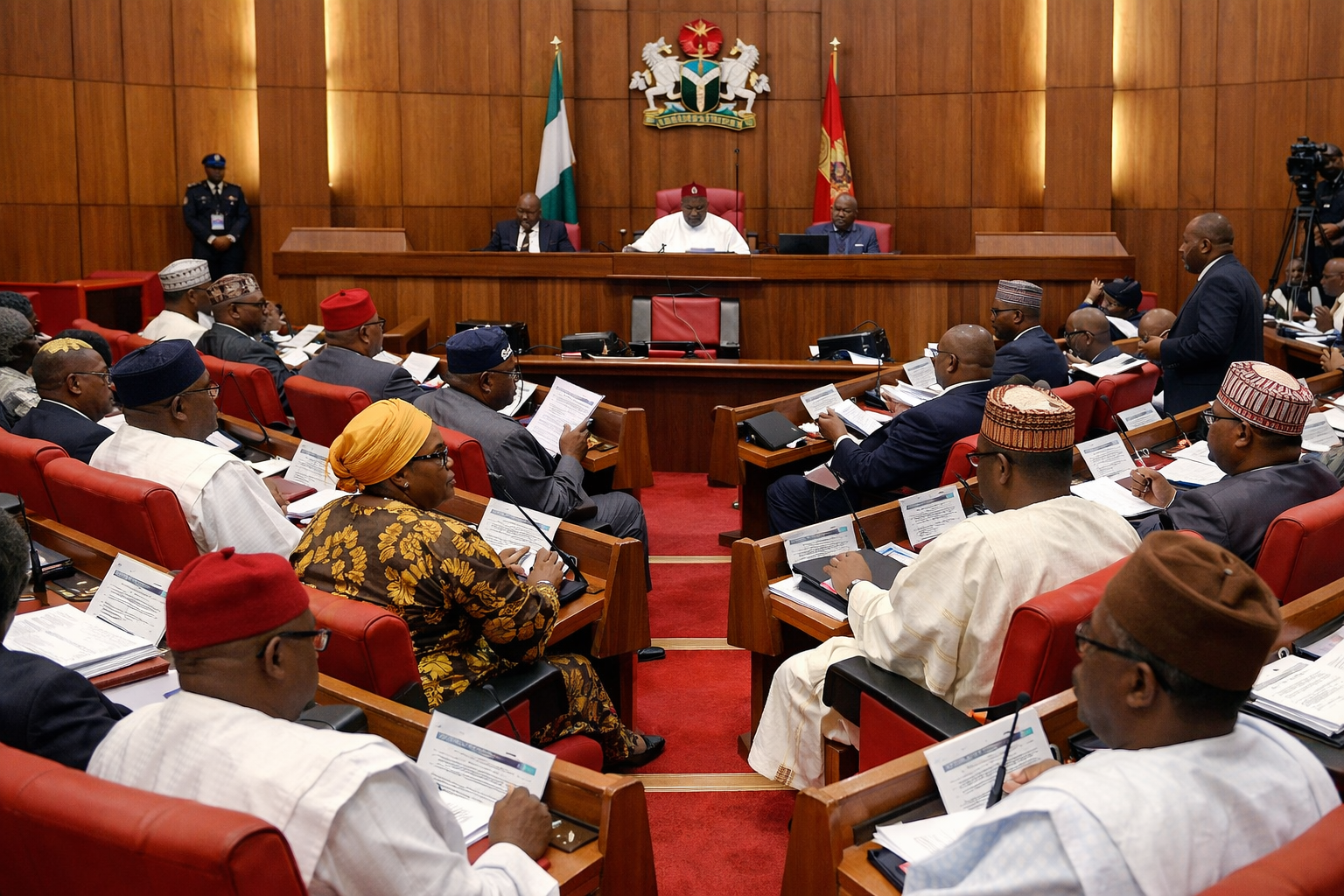
In a move that has sparked widespread discussion across the nation, the Nigerian Senate has officially approved President Bola Ahmed Tinubu’s request for a $6 billion external loan. This decision, reached during a plenary session on Wednesday, marks a significant step in the administration’s fiscal strategy to address the country’s pressing economic needs and infrastructure deficit.
The Purpose of the Loan
According to the presidency, the $6 billion loan is intended to fund critical projects in the 2026 budget, focusing on transportation, power, and healthcare. The government argues that these investments are essential for long-term economic growth and job creation. However, the approval comes at a time when many Nigerians are already feeling the pinch of inflation and a rising cost of living in Nigeria.
Economic Implications
Economists are divided on the impact of this new debt. While some see it as a necessary evil to stimulate the economy, others worry about the sustainability of Nigeria’s growing debt profile. For the average citizen, the immediate concern is how this will affect the value of the Naira and the prices of everyday goods. Entrepreneurs looking for profitable business ideas in Nigeria must now factor in these macroeconomic shifts when planning their ventures.
Conclusion
The approval of the $6 billion loan is a bold gamble by the Tinubu administration. As the funds begin to flow into various sectors, the eyes of the nation will be on the government to ensure transparency and accountability. Whether this move will lead to the promised economic prosperity or further strain the national purse remains to be seen.