

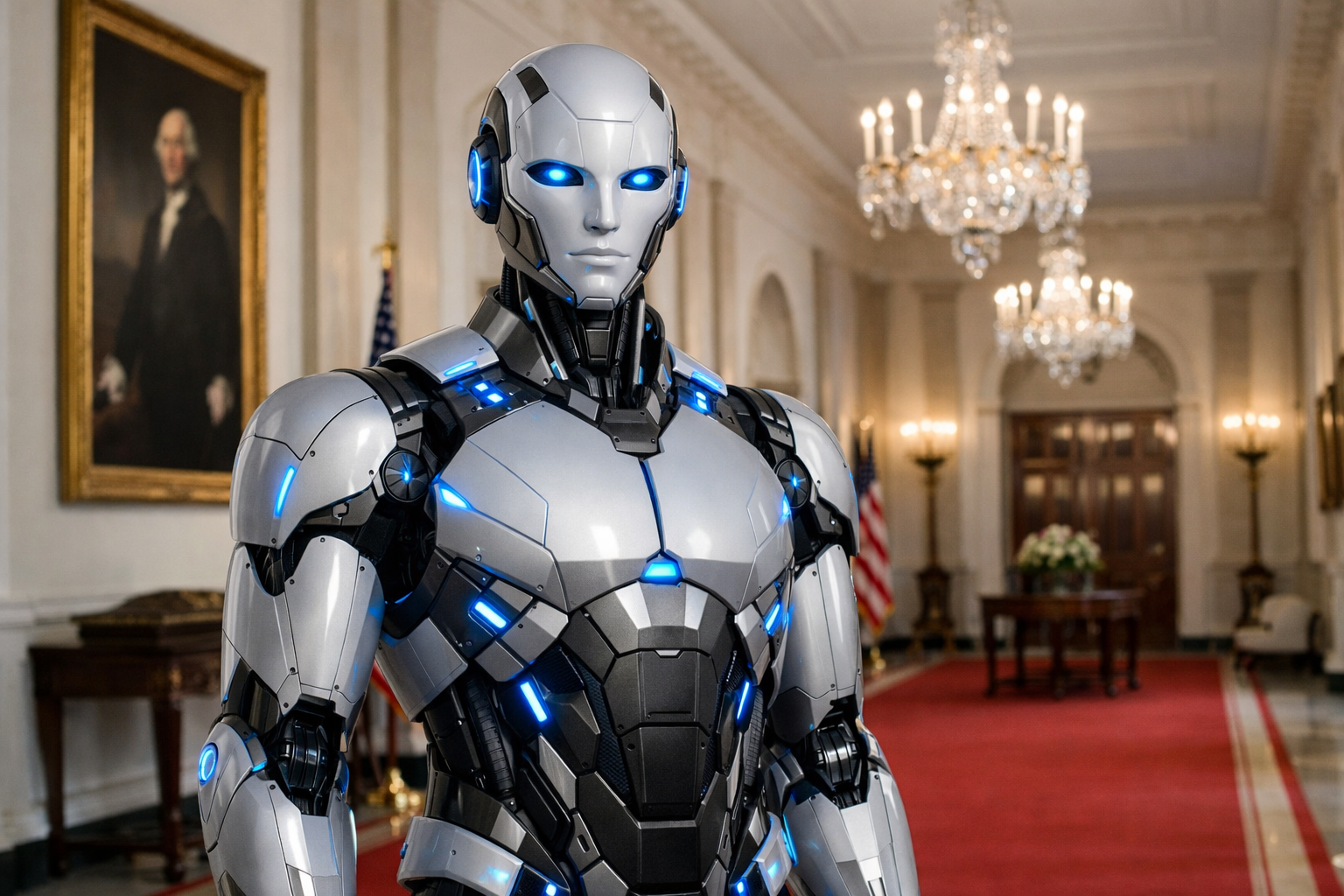
In a development that has captured global attention, a sophisticated robot has reportedly made its debut at the White House, as reported by CNN. This groundbreaking introduction signifies a pivotal moment in the integration of Artificial Intelligence (AI) and robotics into the highest echelons of government operations, prompting widespread discussion about the evolving role of technology in public service.
The Dawn of AI in Government
The presence of a robot within the iconic halls of the White House is more than just a technological marvel; it represents a symbolic leap towards a future where AI and automation could play an increasingly significant role in governance. While specific functions of the robot have not been fully detailed, its mere existence in such a prominent political setting suggests a serious exploration of how advanced technologies can enhance efficiency, data analysis, and potentially even decision-making processes within government.
Discussions on Ethics and Future Implications
This move has inevitably ignited a robust debate among policymakers, ethicists, and the public regarding the implications of such integration. Questions are being raised about data privacy, job displacement, and the ethical boundaries of AI in sensitive governmental roles. Proponents argue that AI can streamline operations, reduce human error, and provide unbiased analysis, while critics caution against over-reliance on machines for tasks that require human judgment and empathy.
A Glimpse into Tomorrow’s Governance
Regardless of the immediate applications, the White House robot serves as a powerful indicator of the direction in which modern governance is heading. It underscores a future where technology will not just be a tool but an integral part of how nations are run. This development will undoubtedly pave the way for further innovations and discussions on how to harness the power of AI responsibly for the betterment of society.