
Nigeria’s Ebola response just got a human face — and a price tag. The Nigeria Centre for Disease Control has approved an emergency payment of ₦100,000 per person, per week, for individuals placed in isolation or quarantine under the ongoing Ebola containment effort in the Federal Capital Territory. The reason, according to the agency: contacts asked for help with feeding, accommodation and family upkeep while they undergo mandatory monitoring.
What Was Announced
NCDC Director-General Dr Jide Idris made the disclosure at a press briefing in Abuja on Sunday. In his words: “We are paying for their accommodation; we are paying for their feeding. Some of them are asking for a stipend to maintain their families.” He added that the ₦100,000 weekly support is meant to keep quarantined contacts comfortable and cooperative — “because they were complaining.”
The DG was candid that the payment was never in the original response plan. “This was not planned for, but it is an emergency. We will continue to review it as we go along,” he said — a rare public admission that outbreak response involves negotiating with real people’s real economics.
The Outbreak Context: One Case, 53 Contacts
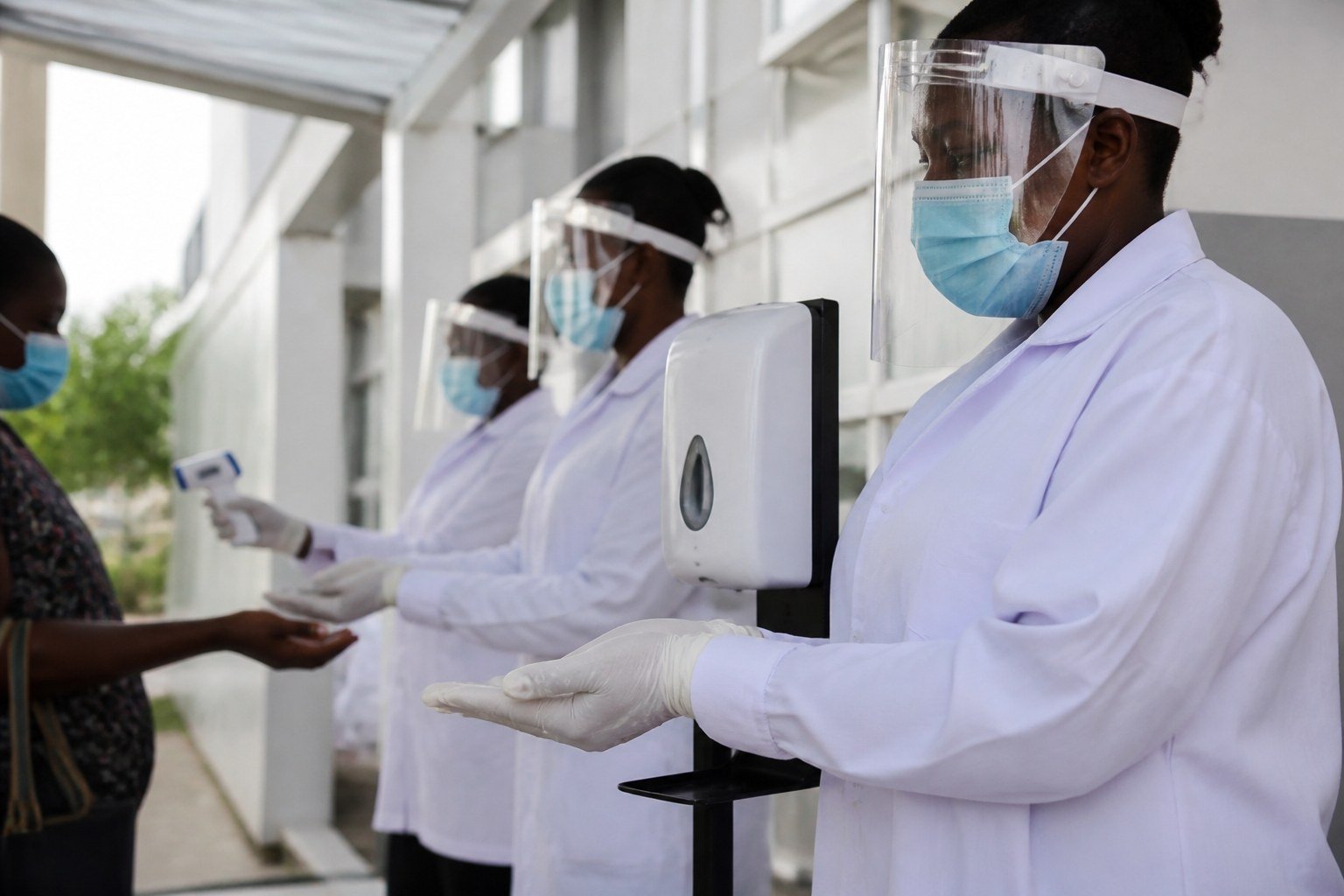
The containment effort follows the confirmation of an imported Ebola case in Abuja on October 20. As of the briefing, Nigeria had recorded one confirmed case, with 53 primary contacts identified for monitoring — among them healthcare workers, household members, domestic staff and the personnel who collected samples from the patient. Public health teams are categorising contacts by exposure level and conducting follow-up checks, with anyone who develops symptoms to be assessed and tested promptly. The Kebbi State Government has separately stepped up screening at airports and land borders to guard against spread.
Why Paying Contacts Makes Epidemiological Sense
It sounds unusual, but paying isolated contacts is standard outbreak logic: the faster people can afford to stay home, the faster the chain of transmission breaks. A contact who hides symptoms because rent is due is a bigger threat than a contact who stays put with family support. Idris also used the briefing to widen the responsibility lens — financing emergency public health interventions, he warned, “is not the responsibility of the FCT alone,” and state governments must make adequate financial and logistical provisions for similar outbreaks in their own jurisdictions.
The Bigger Public Health Picture
The Ebola response is landing on a health system already stretched: the meningitis outbreak in the North, health workers contracting Lassa fever in the line of duty, and the Ondo toxic drink investigation have all demanded agency attention this season. For now, the ₦100,000 weekly stipend is a small line item with a large signal value — that Nigeria’s outbreak playbook is learning from every deployment.