

Introduction
The streets of Lagos, usually bustling with energy and commerce, are currently filled with the quiet desperation of citizens struggling to cope with a biting economic crisis. The primary culprit is the skyrocketing cost of fuel, which has triggered a massive spike in food inflation across the state. From the major markets in Mushin to the small stalls in Lekki, both traders and shoppers are feeling the heavy burden of a rising cost of living that shows no signs of abating.
The Ripple Effect of Fuel Prices
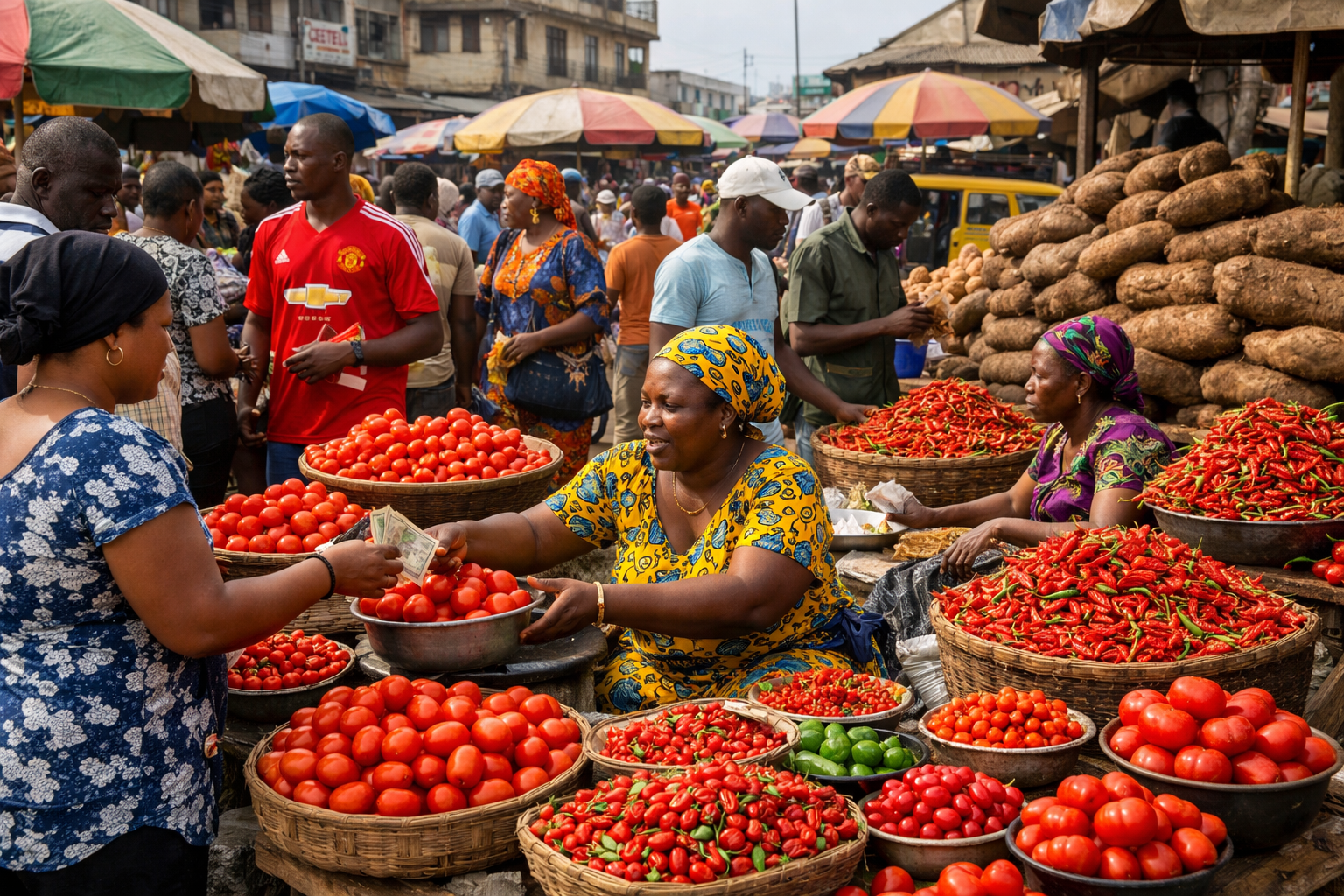
In Nigeria, fuel is the lifeblood of the economy, and any increase in its price has an immediate ripple effect on almost every other sector. For food traders, the cost of transporting produce from the northern farms to the southern markets has doubled, and in some cases, tripled. These increased costs are inevitably passed on to the final consumer, leading to the staggering prices we see today for basic staples like tomatoes, peppers, and yams.
“I used to fill my small delivery van for a certain amount, but now that same amount can’t even take me halfway,” lamented a trader at the popular Mile 12 market. “We have no choice but to increase our prices, but then the customers can’t afford to buy as much as they used to.” This sentiment is echoed by many who are finding it increasingly difficult to put food on the table. For more on the impact of global events on our local economy, read about the Iran war’s impact on food security on naira.blog.
A Struggle for Survival
The current situation has forced many Lagosians to make difficult choices, often cutting back on essential items just to make ends meet. While the government has promised various palliatives and interventions, the impact is yet to be felt by the average person on the street. The resilience of the Nigerian spirit is being tested like never before as people look for creative ways to survive this economic storm. For more community stories, check out the blogs section on naira.blog.
Conclusion
The link between fuel costs and food inflation is a stark reminder of the structural challenges facing the Nigerian economy. As Lagosians continue to navigate these difficult times, there is an urgent need for sustainable solutions that address the root causes of these price hikes. Until then, the struggle for survival continues for millions of hardworking Nigerians. For more updates on the nation’s health and well-being, read about health breakthroughs on naira.blog.