
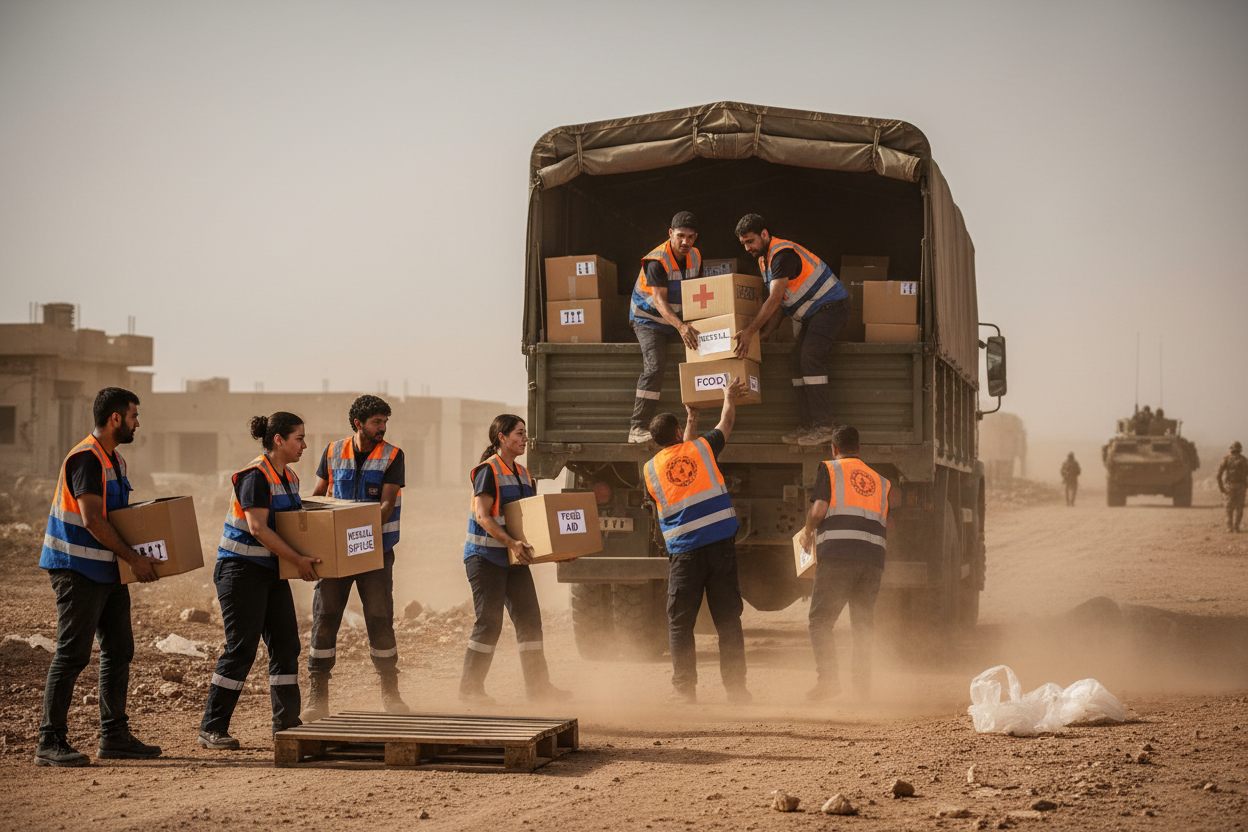
In a dire warning that has captured global attention, several humanitarian aid groups have raised concerns that the escalating conflict in Iran is severely hindering the delivery of essential food and medicine to millions of people. The ongoing war has disrupted supply chains and created dangerous conditions for aid workers, leading to a humanitarian crisis of significant proportions.
The impact of the conflict is felt most acutely by the most vulnerable populations, including children and the elderly, who are in desperate need of medical supplies and nutritional support. International organizations are calling for immediate action to ensure that humanitarian corridors are opened and that aid can reach those who need it most.
Humanitarian Crisis in Iran
The scale of the crisis is immense, with reports indicating that millions of people are currently without access to basic healthcare and adequate food supplies. The disruption of essential services, including electricity and water, has further exacerbated the situation, leading to fears of widespread disease and malnutrition.
Aid groups are working tirelessly to provide relief, but the challenges they face are unprecedented. The Nigeria set to revolutionize HIV prevention with breakthrough drug lenacapavir is a reminder of the importance of global health initiatives and the need for stable environments to deliver life-saving treatments.
Impact on Global Health and Stability
The conflict in Iran is not only a regional issue but has significant implications for global health and stability. The disruption of medical supply chains can lead to shortages of essential drugs and vaccines, affecting people far beyond the borders of the conflict zone. Furthermore, the humanitarian crisis can lead to displacement and migration, putting additional pressure on neighboring countries and international aid systems.
The global oil markets in turmoil as prices surge due to the US-Iran conflict also impact the cost of transporting aid and the resources available for humanitarian assistance. The economic consequences of the war are felt globally, making it even more challenging to provide the necessary support to those in need.
Calls for Immediate Action
International leaders and humanitarian organizations are urging all parties involved in the conflict to prioritize the protection of civilians and to allow for the safe and unhindered delivery of aid. The creation of humanitarian corridors and the establishment of ceasefires are essential steps to address the crisis and prevent further loss of life.
Conclusion
The warning from aid groups regarding the impact of the Iran war on food and medicine delivery is a stark reminder of the devastating consequences of conflict on human lives. The international community must act swiftly and decisively to ensure that humanitarian aid reaches those in need and that the most vulnerable populations are protected. The resolution of the conflict and the restoration of peace are the only long-term solutions to this humanitarian crisis.