
High-Growth Industries in Nigeria (2026): Top Sectors for Maximum ROI
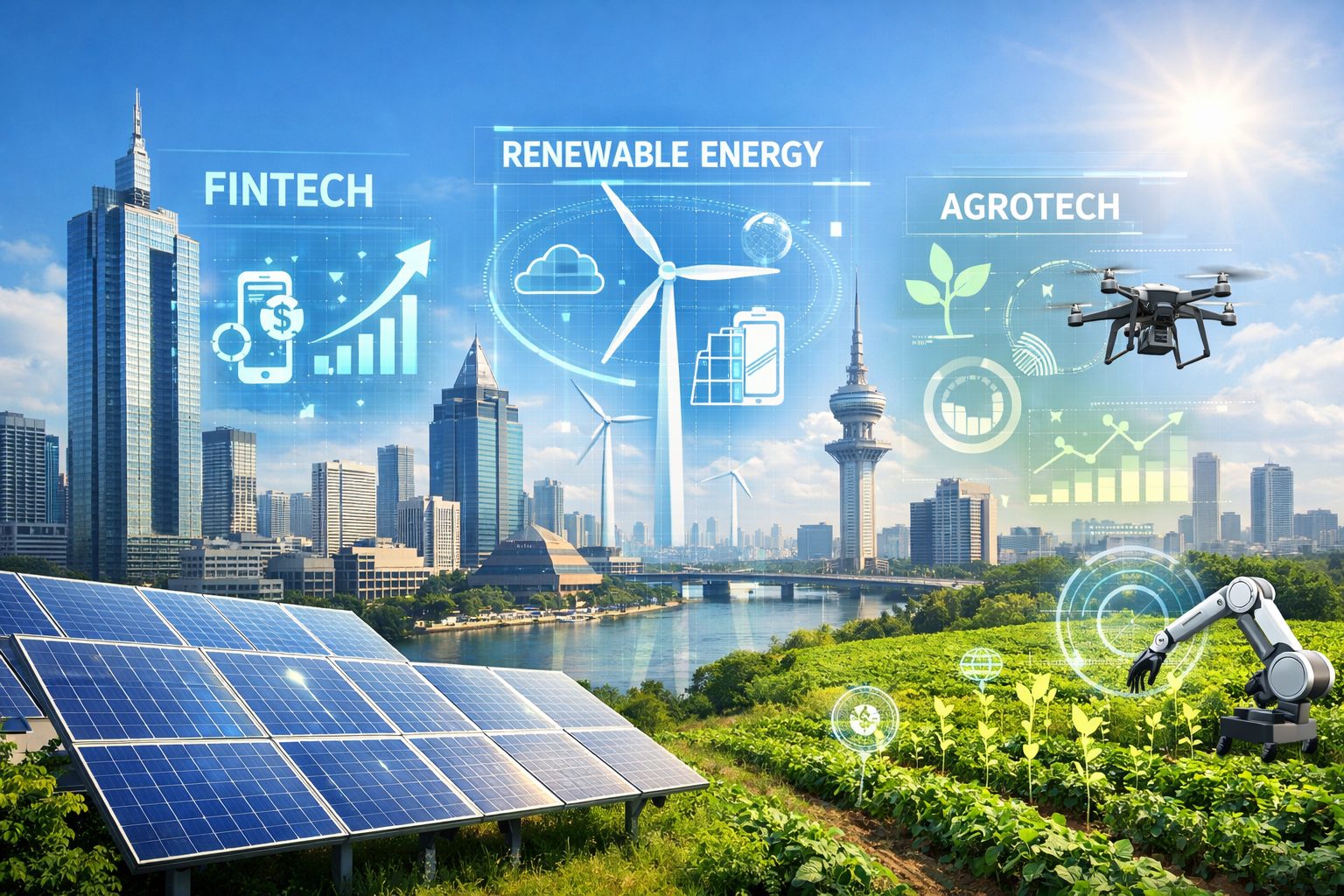
As we navigate through 2026, the Nigerian economic landscape is undergoing a profound transformation. Driven by a youthful, tech-savvy population and a shift towards sustainable development, several key sectors are emerging as powerhouses of growth. For investors and entrepreneurs, identifying these high-growth industries is not just about spotting trends; it’s about positioning oneself at the forefront of Nigeria’s next economic boom.
The Digital Frontier: FinTech and Beyond
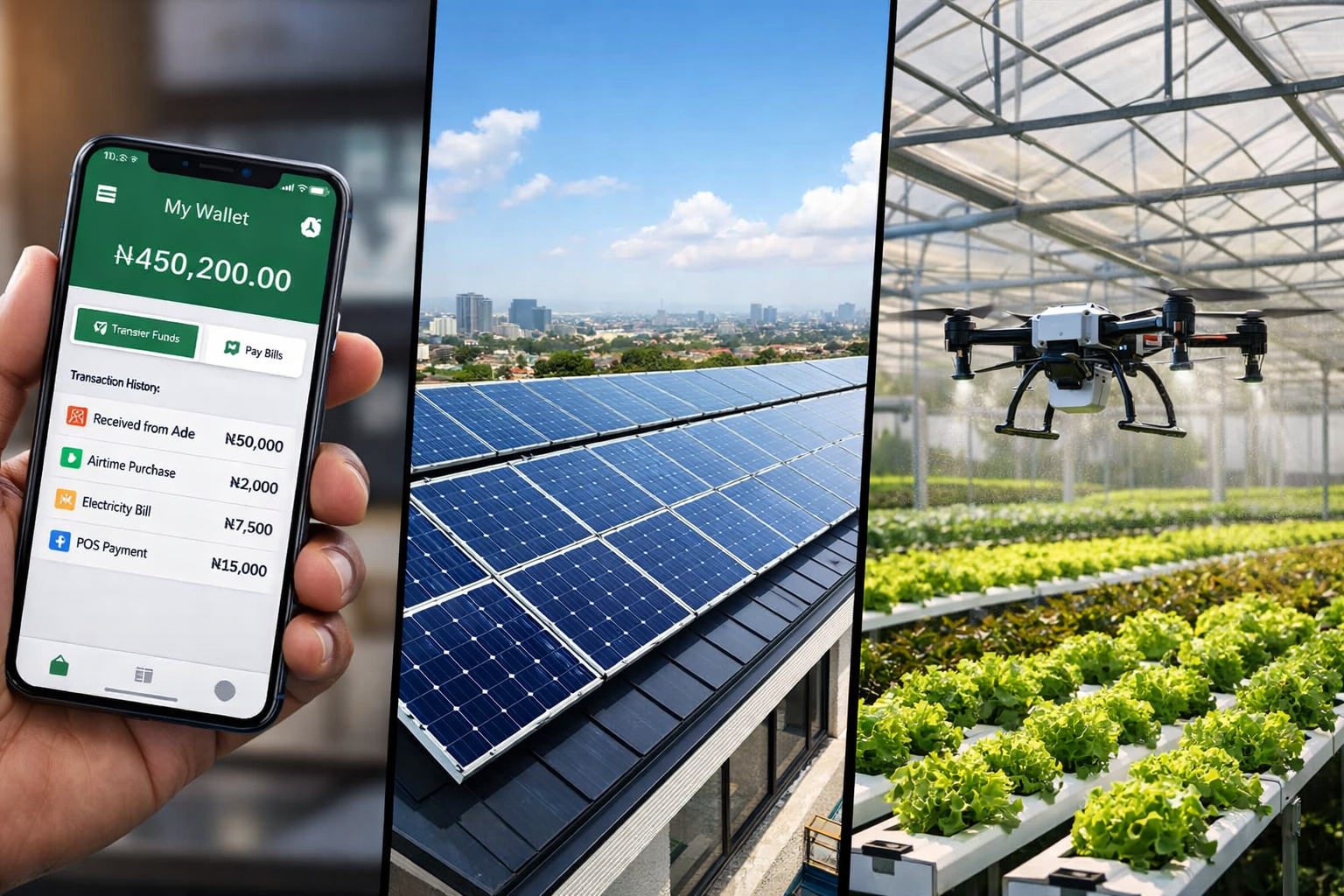
Nigeria’s Financial Technology (FinTech) sector continues to be the crown jewel of its startup ecosystem. However, in 2026, the focus has evolved from simple payment processing to more complex financial services. The unbanked population remains a significant opportunity, but the real growth is now in digital lending, wealth management, and blockchain-based remittances.
- Digital Credit and Micro-lending: Platforms that leverage AI to assess creditworthiness are revolutionizing access to capital for SMEs.
- WealthTech: Apps that democratize access to local and international stocks are seeing massive adoption among the Nigerian middle class.
- Blockchain Solutions: Beyond cryptocurrency, blockchain is being used to secure land titles and streamline cross-border trade.
Powering the Future: Renewable Energy
The persistent challenges with the national grid have turned renewable energy into an economic necessity rather than just an environmental choice. Solar power, in particular, is seeing explosive growth across residential, commercial, and industrial sectors.
Solar Home Systems (SHS)
The ‘Pay-As-You-Go’ model has made solar energy accessible to millions of households. In 2026, we are seeing a shift towards higher-capacity systems that can power entire homes, including cooling systems, reducing the reliance on expensive and noisy diesel generators.
Commercial and Industrial (C&I) Solar
Nigerian businesses are increasingly ‘going green’ to protect their bottom lines. Large-scale solar installations for factories and office complexes are becoming the standard, offering a more reliable and cost-effective power source than the traditional grid.
Revolutionizing the Soil: Agrotech
Agriculture remains the backbone of Nigeria’s economy, but Agrotech is what’s making it profitable in 2026. By integrating technology into the value chain, Nigeria is moving closer to food security and becoming a major agricultural exporter.
- Precision Farming: The use of drones and IoT sensors to monitor crop health and soil moisture is significantly increasing yields.
- Supply Chain Optimization: Digital platforms that connect farmers directly to urban markets are reducing post-harvest losses and increasing farmer income.
- Agri-Financing: Specialized crowdfunding and credit platforms are providing the necessary capital for smallholder farmers to scale their operations.

Conclusion
The high-growth industries of 2026—FinTech, Renewable Energy, and Agrotech—are fundamentally reshaping the Nigerian economy. For those looking to invest, the opportunities are vast, but they require a deep understanding of the local context and a commitment to innovation. By focusing on these sectors, you are not just investing in a business; you are investing in the future of Nigeria. For more insights on building wealth, check out our guide on top passive income ideas in Nigeria.