Introduction
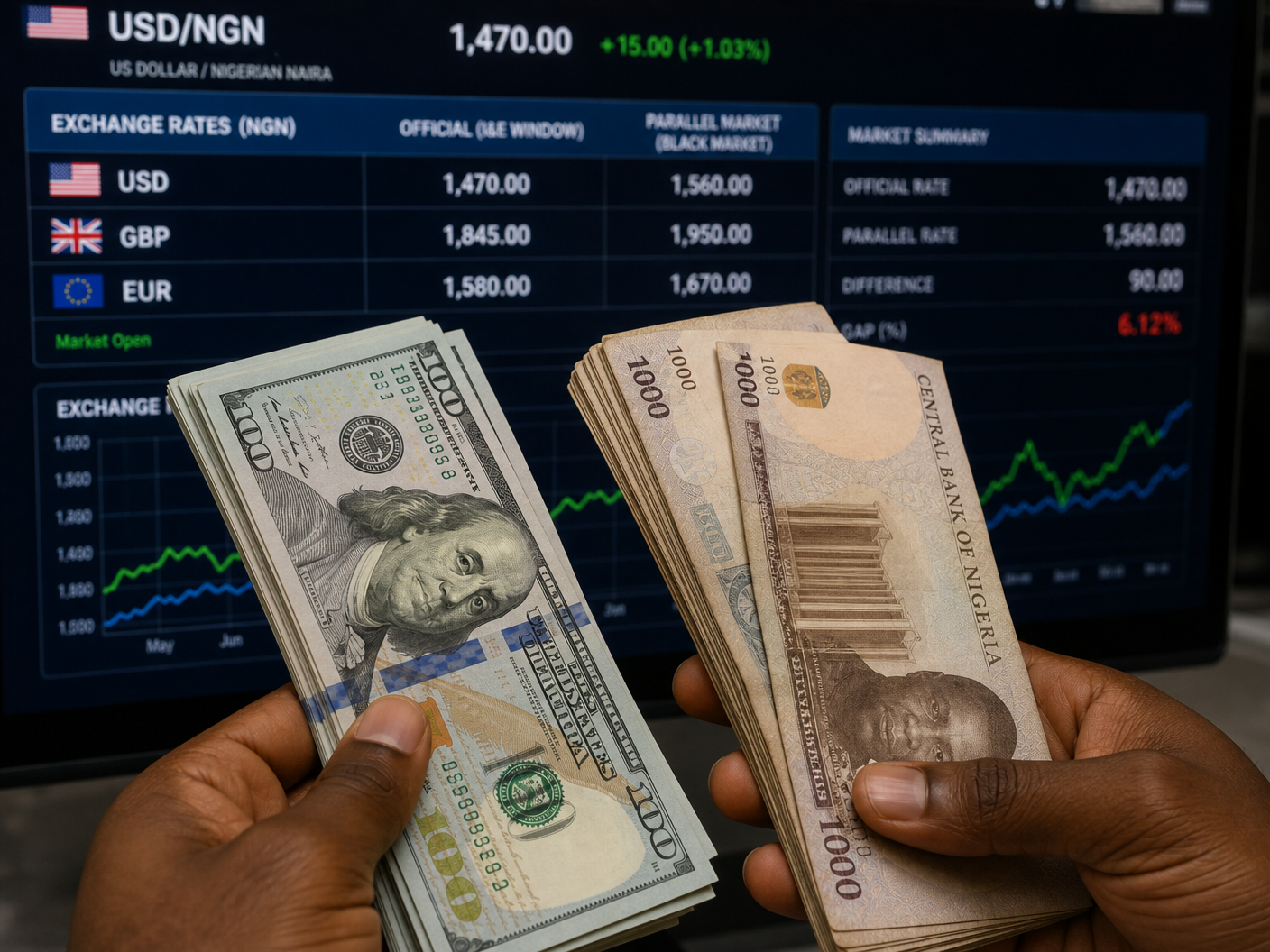
The exchange rate between the Nigerian Naira and the US Dollar is a critical economic indicator, influencing everything from import costs to the price of everyday goods. In 2026, the dynamics between the official and parallel (black) market rates continue to be a significant point of discussion and concern for businesses and individuals alike. This article provides an up-to-date look at the dollar to naira rates, explores the persistent gap between the official and parallel markets, and discusses its implications for the Nigerian economy.
Understanding the Dual Exchange Rate System
Nigeria operates a dual exchange rate system, comprising:
- Official Exchange Rate: Managed by the Central Bank of Nigeria (CBN), this rate is typically used for government transactions, essential imports, and by commercial banks.
- Parallel Market Rate (Black Market): This informal market operates outside official channels and is driven by demand and supply from individuals and businesses unable to access foreign exchange at the official rate.
The existence of these two markets, and particularly the gap between them, reflects underlying economic pressures and foreign exchange scarcity. [1]
Current Dollar to Naira Rates in May 2026
As of May 2026, the exchange rates have shown some volatility. While the Naira has experienced periods of strengthening, the parallel market often reflects a higher demand for foreign currency.
| Market | Buying Rate (₦) | Selling Rate (₦) |
|:—————–|:—————-|:—————–|
| Official (CBN) | ₦1,373.70 | ₦1,375.98 |
| Parallel Market| ₦1,385.00 | ₦1,392.50 |
Note: These rates are approximate and subject to daily fluctuations. Always check with reliable sources for the most current rates. [2]
The Persistent Gap and Its Implications
The gap between the official and parallel market rates, though it has narrowed at times, remains a significant feature of Nigeria’s foreign exchange landscape. This disparity has several implications:
- Economic Uncertainty: The fluctuating rates create uncertainty for businesses, making planning and investment difficult.
- Inflationary Pressure: When businesses source dollars from the more expensive parallel market, the increased cost is often passed on to consumers, contributing to inflation.
- Round-Tripping: The gap can incentivize arbitrage, where individuals or entities buy dollars at the official rate and sell them at the higher parallel market rate, leading to rent-seeking behavior.
- Reduced Foreign Investment: A volatile and dual exchange rate system can deter foreign investors who prefer stability and transparency.
Factors Influencing the Exchange Rate
Several factors contribute to the dollar to naira exchange rate dynamics:
- Crude Oil Prices: As a major oil exporter, Nigeria’s foreign exchange earnings are heavily dependent on global crude oil prices.
- Foreign Reserves: The level of Nigeria’s foreign reserves impacts the CBN’s ability to intervene in the market and stabilize the Naira.
- Government Policies: Monetary and fiscal policies, including interest rates and import restrictions, play a crucial role.
- Demand for Imports: Nigeria’s high demand for imported goods and services puts continuous pressure on the dollar.
Navigating the Exchange Rate Landscape
For individuals and businesses, staying informed and adopting prudent financial strategies is key:
- Diversify Investments: Consider diversifying investments to include Naira-denominated assets that offer good returns.
- Source FX Wisely: Businesses should explore legitimate avenues for sourcing foreign exchange to avoid unnecessary costs and risks.
- Budgeting: Factor in potential exchange rate fluctuations when planning personal and business budgets.
For more insights into managing your finances in Nigeria, visit the Naira.blog Personal Finance Section.
Conclusion
The black market dollar to naira rate and the gap with the official rate remain critical economic indicators in Nigeria in 2026. While the government continues its efforts to stabilize the currency and unify the exchange rates, understanding these dynamics is essential for informed decision-making. By staying updated and adopting sound financial practices, Nigerians can better navigate the complexities of the foreign exchange market. For further economic analysis and news, explore the Naira.blog News Section.