

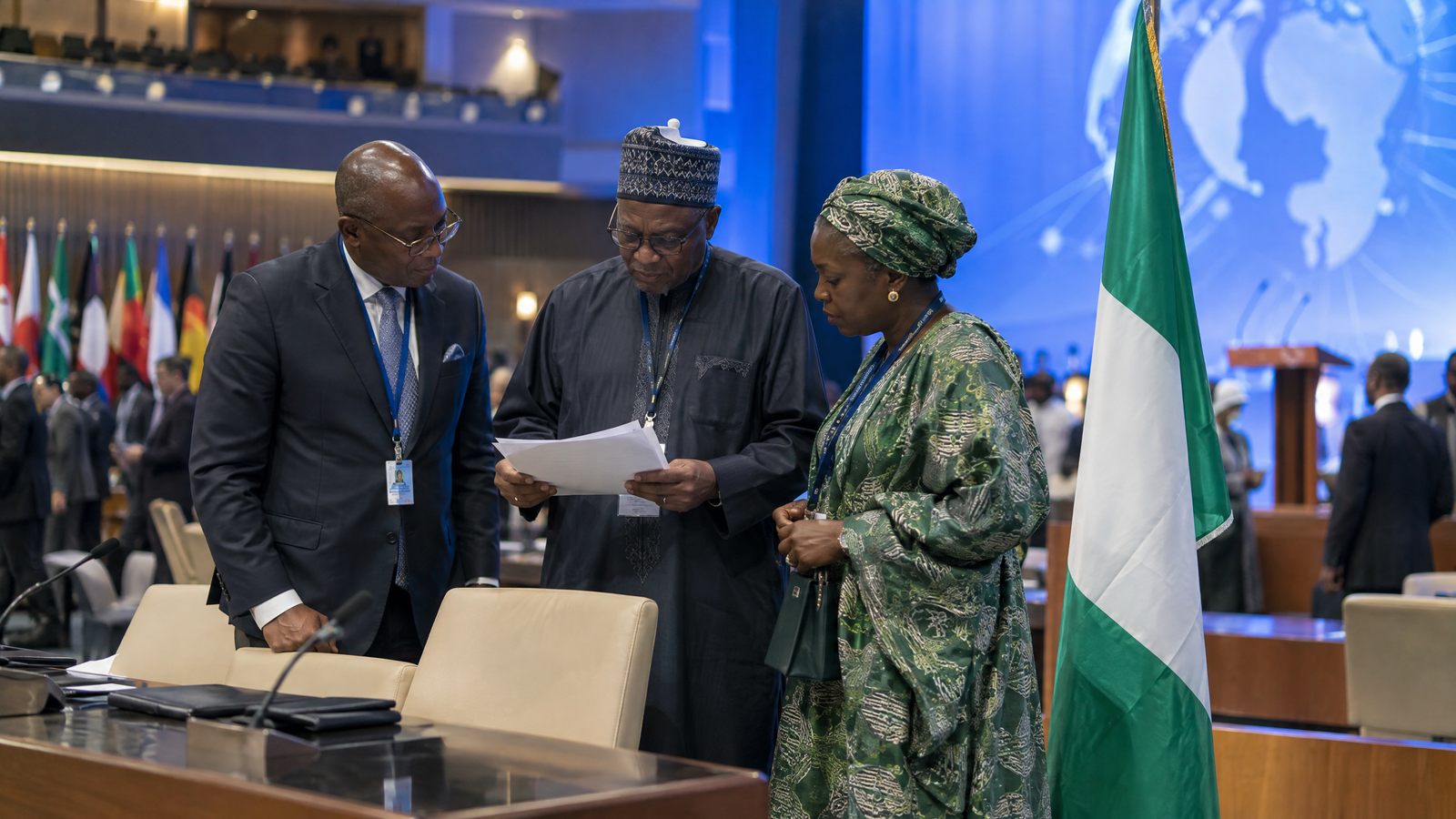
The Federal Government has clarified Nigeria’s representation at the 81st United Nations General Assembly, saying Vice President Kashim Shettima will lead the country’s delegation in New York. The explanation follows public discussion about President Bola Tinubu’s absence from the high-level session.
Shettima’s mandate
According to the government’s statement, the Vice President will deliver Nigeria’s national address and take part in high-level meetings and bilateral engagements with world leaders, international organisations and development partners. He is expected to present the country’s positions on peace, security, economic development and international cooperation.
Why the clarification was issued
Officials said the President is currently on annual leave and that asking the Vice President to lead the delegation is an established constitutional and diplomatic arrangement. The government rejected suggestions that the decision diminishes Nigeria’s standing or weakens its participation in the UN process.
The issue has attracted attention because the General Assembly is a major forum for national statements and private diplomatic meetings. Nigeria’s delegation will therefore be judged by the issues it advances and the commitments it secures, not only by the identity of the person delivering the address.
Key issues on the agenda
The delegation is expected to emphasise security cooperation, development financing, climate action, reform of the global financial system and stronger international partnerships. These issues have direct implications for Nigeria’s economic prospects and its role in regional diplomacy.
The government also urged the public to separate verified information from political commentary and speculation. That distinction is particularly important during major international events, when incomplete claims can quickly shape perceptions of the country.
What Nigerians should watch
Attention will now turn to the Vice President’s address and the outcomes of his bilateral meetings. Clear communication about Nigeria’s priorities, especially on investment, security and development, will be central to the delegation’s impact.
The clarification also fits into the wider discussion about federal policy priorities and how the administration presents its agenda at home and abroad. A strong delegation can use the UN platform to explain reforms while seeking practical partnerships.
Conclusion
The Federal Government’s position is that Nigeria remains fully engaged at the General Assembly through a delegation led by Shettima. The substance of the meetings and the commitments that follow will determine whether that representation delivers meaningful diplomatic value.