

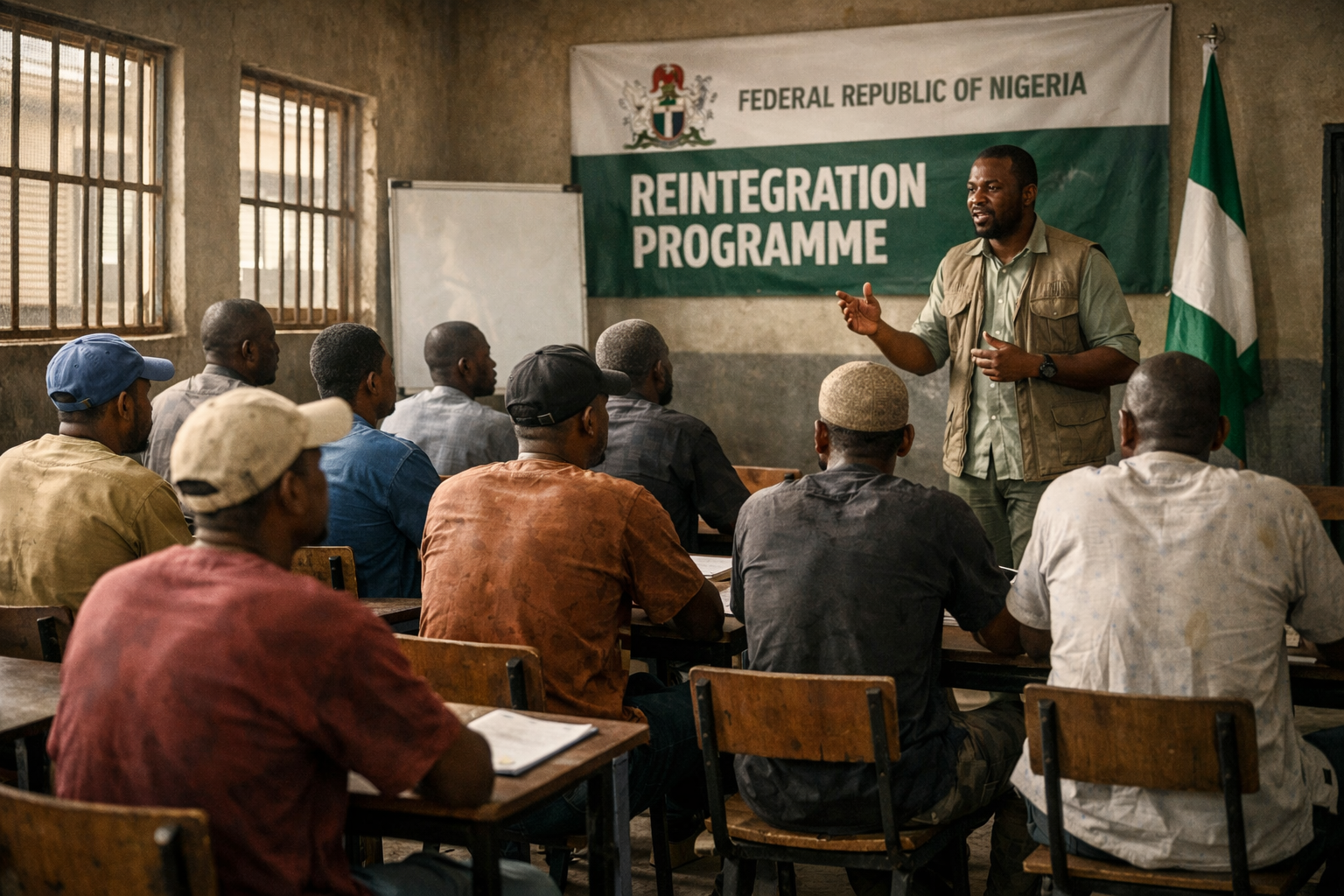
The African Democratic Congress (ADC) has launched a scathing critique against the Federal Government’s controversial plan to reintegrate approximately 800 individuals identified as “repentant terrorists” back into society. The party, through its official statements, has unequivocally labeled this initiative as “dangerous softness,” expressing profound concerns about its potential implications for national security and the ongoing fight against insurgency in Nigeria.
A Question of Transparency and Trust
At the heart of ADC’s opposition is a significant lack of transparency surrounding the reintegration program. The party has raised critical questions regarding the criteria for selecting these individuals, the thoroughness of their deradicalization process, and the mechanisms in place to ensure they do not pose future threats. This skepticism is rooted in a broader public apprehension about the government’s approach to managing former insurgents, especially given the devastating impact of terrorism on communities across the nation.
The reintegration plan, presented by the government as a strategy for deradicalization and rehabilitation, aims to provide a pathway for former combatants to return to civilian life. However, critics like the ADC argue that without robust safeguards and clear accountability, such initiatives could inadvertently compromise the safety of citizens and undermine efforts to restore peace. For a deeper dive into the complexities of post-conflict rehabilitation, explore our articles on national security strategies.
The Dilemma of Forgiveness vs. Justice
The debate surrounding the reintegration of former insurgents often pits the principles of forgiveness and rehabilitation against the demands for justice and accountability. While proponents argue that reintegration is crucial for long-term peace and stability, offering a chance for individuals to renounce violence, opponents contend that it risks trivializing the atrocities committed and emboldening others. The ADC’s stance reflects a strong inclination towards prioritizing the safety and justice for victims over what they perceive as leniency towards perpetrators.
This policy decision has ignited a fierce public discourse, with many Nigerians questioning the wisdom of welcoming back individuals who were once responsible for widespread death and destruction. The party’s strong condemnation highlights the deep emotional and societal wounds inflicted by years of insurgency. You can find more discussions on the ethical dimensions of governance in our politics section.
Implications for National Cohesion
Beyond the immediate security concerns, the ADC also fears that the reintegration plan could have adverse effects on national cohesion. The perception that former insurgents are being treated with undue leniency could foster resentment among communities that have borne the brunt of their violence, potentially exacerbating ethnic and religious tensions. The party insists that any rehabilitation effort must be accompanied by comprehensive measures to address the grievances of affected communities and ensure justice is served.
The challenge for the Federal Government lies in balancing humanitarian considerations with the imperative of maintaining law and order and rebuilding trust. The ADC’s vocal opposition serves as a powerful reminder that public confidence is paramount in such sensitive matters. Stay informed on the latest political developments and public reactions by visiting our news section.
Conclusion
The African Democratic Congress’s denunciation of the Federal Government’s insurgent reintegration plan as “dangerous softness” underscores a critical fault line in Nigeria’s approach to national security. The debate highlights the complex interplay between rehabilitation, justice, and public trust in a nation grappling with the aftermath of prolonged conflict. As the government proceeds with its plan, the concerns raised by the ADC will undoubtedly continue to shape public opinion and demand greater transparency and accountability.
The coming period will be crucial in determining the success and acceptance of this controversial policy. The need for a strategy that genuinely fosters peace while upholding justice remains a paramount challenge for Nigeria. For further reading on security policies and their societal impact, explore our archives on governance issues.