Introduction: A Clash of Titans on the Global Stage
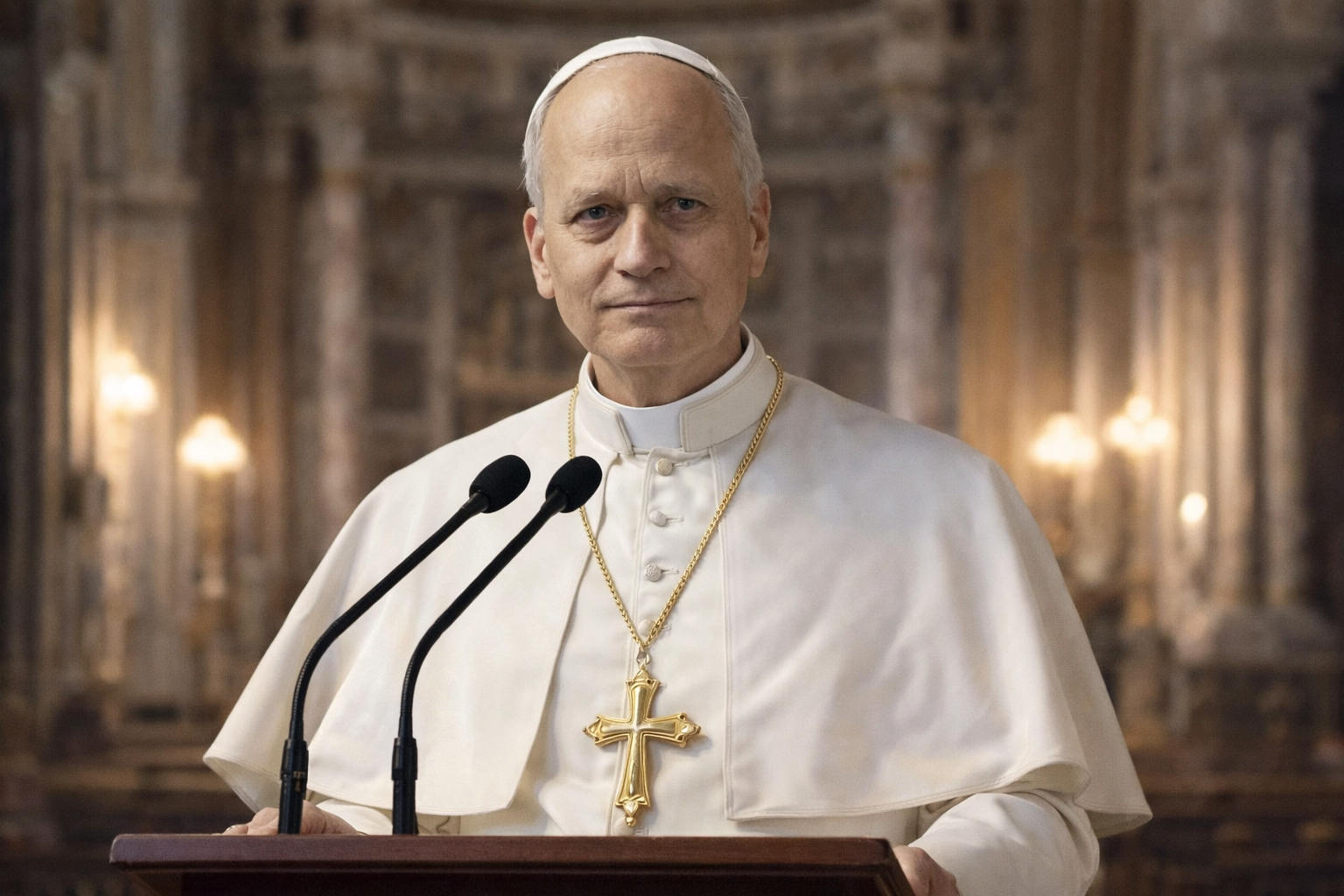
The diplomatic arena has witnessed a remarkable exchange between two of the world’s most influential figures: Pope Leo XIV and United States President Donald Trump. Amidst escalating tensions surrounding the Iran war, Pope Leo XIV has publicly pushed back against President Trump’s criticisms, asserting his unwavering stance rooted in the Gospel and declaring his fearlessness in the face of presidential disapproval. This deepening feud between the US and the Vatican adds another layer of complexity to an already volatile international landscape, highlighting the intricate interplay between political power and moral authority.
The Genesis of the Feud: War and Diplomacy
The friction between the Vatican and the Trump administration appears to stem from differing approaches to the ongoing Iran war. While President Trump has adopted a more aggressive posture, including the recent naval blockade threats, Pope Leo XIV has consistently advocated for peace, dialogue, and humanitarian considerations. The Pontiff’s recent statements, directly challenging Trump’s rhetoric, underscore a fundamental divergence in their worldviews and strategies for resolving international conflicts. This isn’t the first time religious leaders have weighed in on global politics; for instance, the role of faith in resolving conflicts is often a topic of discussion, as seen in [Trump Slams Pope Leo XIV: “Not a Big Fan” of “Weak” Anti-War Message](https://naira.blog/trump-slams-pope-leo-xiv-not-a-big-fan-of-weak-anti-war-message/).
The Pope’s Moral Authority
Pope Leo XIV’s decision to openly defy President Trump is a powerful assertion of the Vatican’s moral authority on global issues. By citing the Gospel, the Pope positions his stance as one guided by spiritual principles rather than political expediency. This move resonates with a significant portion of the global population who look to religious leaders for ethical guidance in times of crisis. His fearlessness in confronting a powerful world leader further solidifies his image as a moral compass in an often-turbulent world.
Trump’s Response and the Diplomatic Fallout
President Trump’s administration has not publicly responded to Pope Leo XIV’s latest remarks, but the ongoing tension suggests a strained relationship between Washington and the Holy See. Such a high-profile disagreement between two influential entities could have broader diplomatic implications, potentially affecting international efforts to address various global challenges. The Vatican, with its extensive diplomatic network, plays a crucial role in humanitarian efforts and peace initiatives, and any significant rift with a major global power could impact these endeavors.
The Intersection of Faith and Statecraft
This feud highlights the delicate intersection of faith and statecraft. While both leaders command immense influence, their spheres of authority are distinct. The Pope’s moral pronouncements often challenge the pragmatic, often power-driven decisions of political leaders. This dynamic can lead to constructive tension, where moral considerations are brought to bear on political actions, or it can result in open conflict, as appears to be the case here.
Conclusion: A Test of Influence and Principle
The ongoing disagreement between Pope Leo XIV and President Trump over the Iran war is more than just a war of words; it is a test of influence and principle. As the world grapples with complex geopolitical challenges, the stances taken by such prominent figures can shape public opinion and influence policy. The coming weeks will reveal how this diplomatic dance unfolds and what its long-term implications will be for international relations and the role of moral authority in global politics.