The Unveiling of a Broadened Sanctions List
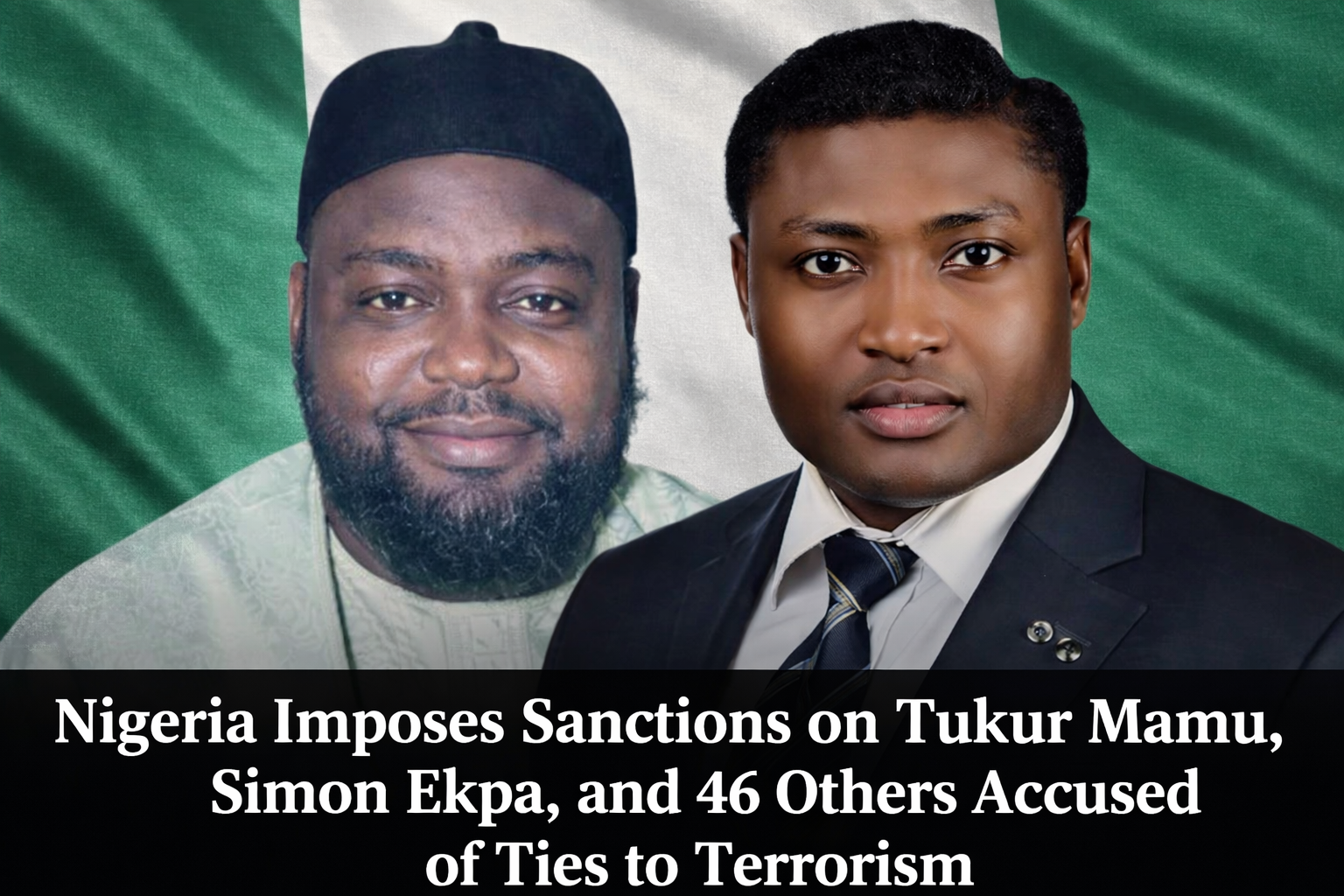
In a significant escalation of its efforts to combat terrorism, the Nigerian government, under President Bola Tinubu, has released an expanded sanctions list. This list names 48 individuals and entities alleged to be deeply involved in terrorism financing and providing operational support to various extremist groups operating within and beyond Nigeria’s borders. This decisive action marks a pivotal moment in the nation’s ongoing battle against insecurity, aiming to dismantle the financial networks that fuel violence and instability.
Key Figures and Their Alleged Roles
The newly published list sheds light on an intricate web of financiers, couriers, and operatives. Among the prominent names is Tukur Mamu, a negotiator accused of facilitating ransom transactions linked to the infamous Abuja-Kaduna train attack. Authorities allege that Mamu played a crucial role in delivering over $200,000 in ransom payments, directly aiding ISWAP terrorists. This revelation underscores the complex challenges faced by the government in curbing the flow of funds to terror organizations.
Another notable figure on the list is Simon Ekpa, a self-proclaimed leader of the Indigenous People of Biafra (IPOB), who has faced legal proceedings in Finland. His inclusion signals the government’s intent to address all forms of alleged operational support for extremist activities.
The sanctions also target individuals like Abdulsamat Ohida, identified as a senior commander of the Islamic State of West Africa Province (ISWAP) operating in Okene. Ohida is reportedly linked to two major incidents in 2022: the attack on St. Francis Catholic Church in Owo, Ondo State, and the assault on the Kuje Correctional Centre in Abuja. These incidents drew widespread condemnation and highlighted the brutal tactics employed by these groups.
Furthermore, Mohammed Sani, a member of Ansarul Muslimina Fi Biladissudam (ANSARU), an Al-Qaeda-affiliated faction, is also named. Sani is alleged to have received specialized training under Muktar Belmokhtar, known as “One Eyed,” gaining expertise in covert communications and improvised explosive devices. He is also accused of acting as a courier and travel guide for operatives across Algeria and Mali and was among those who escaped during the Kuje prison break in July 2022.
Entities Under Scrutiny
The sanctions list extends beyond individuals to include several entities deemed instrumental in supporting terror operations. These include Jama’atu Wal-Jihad, Ansarul Sudan (ANSARU), Islamic State West Africa Province (ISWAP), Indigenous Biafra (IPOB), Yan Group, and Yan Group NLBDG. By targeting these organizations, the government aims to disrupt their structures and limit their capacity to operate.
Implications for National Security
This broadened sanctions list represents a renewed push by Nigerian authorities to enhance financial surveillance and accountability within terror-linked networks. The government’s proactive stance is expected to tighten the noose on those who provide financial and logistical backing to extremist groups, potentially leading to further designations and enforcement measures as investigations continue. This move is crucial for restoring peace and stability in affected regions and protecting innocent lives.
Conclusion
The Nigerian government’s latest action against terrorism financiers and supporters is a clear statement of its commitment to eradicating insurgency. By meticulously identifying and sanctioning those who enable these heinous acts, the government is taking concrete steps towards a more secure future for all Nigerians. The effectiveness of these measures will depend on sustained enforcement and continued vigilance against the evolving threats posed by extremist organizations. This comprehensive approach is vital for safeguarding national security and fostering an environment where peace and development can thrive. For more insights into Nigeria’s political landscape, explore other articles on naira.blog/politics and stay informed on critical national issues. You can also find discussions on naira.blog/news and naira.blog/economy for broader perspectives.