

Introduction
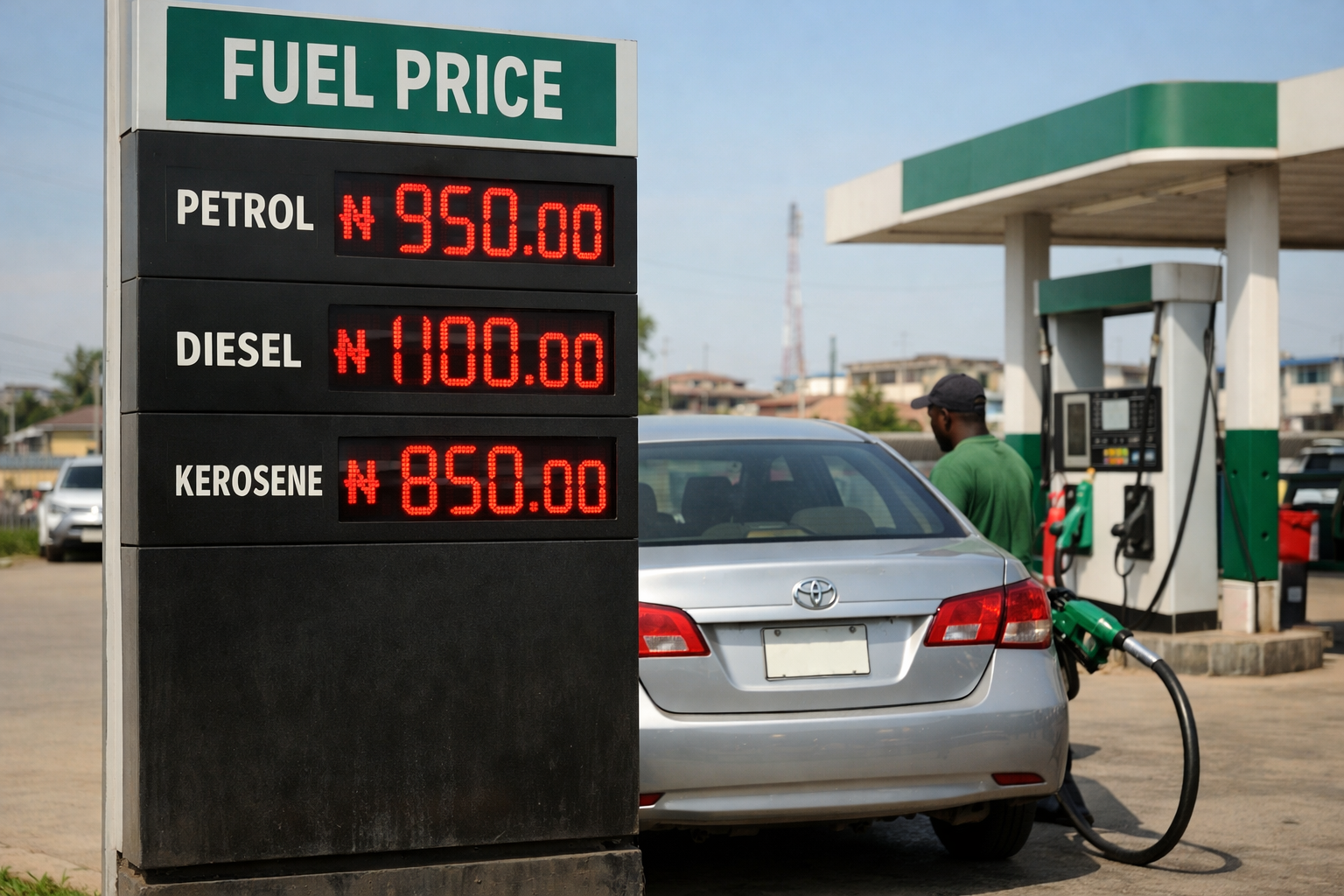
Nigerians are bracing for a potential economic shock as the Trade Union Congress (TUC) issues a stark warning: petrol prices could surge to an unprecedented N2,000 per litre if the government does not implement urgent measures. This alarming forecast comes amidst ongoing discussions about fuel subsidy removal and its broader implications for the nation’s economy and the livelihoods of ordinary citizens. The TUC’s statement has ignited fresh concerns about the rising cost of living and the need for sustainable solutions to Nigeria’s energy challenges.
The Looming Threat of Price Hike
According to the TUC, the current economic trajectory, coupled with the government’s approach to fuel pricing, could lead to a drastic increase in petrol costs. This would undoubtedly exacerbate inflationary pressures, impacting transportation, food prices, and virtually every sector of the economy. The union emphasizes that such a hike would place an unbearable burden on Nigerian households, many of whom are already struggling with economic hardships. The warning serves as a critical call to action for policymakers to re-evaluate their strategies and prioritize the welfare of the populace.
Government’s Dilemma and Public Expectation
The Nigerian government faces a complex dilemma: balancing the need for economic reforms, such as subsidy removal, with the imperative to protect its citizens from undue financial strain. While the removal of fuel subsidies is often touted as a necessary step for long-term economic stability, its immediate effects on the populace can be severe. The public, in turn, expects transparent communication and tangible interventions that cushion the impact of such policies. The TUC’s warning highlights the urgency of finding a middle ground that fosters economic growth without compromising the well-being of the average Nigerian.
Impact on Daily Life and Businesses
A significant increase in petrol prices would have far-reaching consequences. Commuters would face higher transportation costs, leading to a ripple effect on daily expenses. Businesses, particularly those reliant on fuel for operations and logistics, would see their overheads surge, potentially leading to increased prices for goods and services, reduced profitability, and even job losses. The informal sector, which forms a substantial part of Nigeria’s economy, would be particularly vulnerable to such disruptions, further widening the gap between the rich and the poor.
Conclusion
The TUC’s warning about a potential N2,000/litre petrol price is a wake-up call for all stakeholders. It underscores the critical need for the Nigerian government to engage in urgent, proactive measures to avert an impending economic crisis. Sustainable solutions that address both the economic realities and the social implications of fuel pricing are paramount. The future stability and prosperity of Nigeria hinge on the government’s ability to navigate these challenges with foresight, empathy, and effective policy implementation.
- For more insights into Nigeria’s economic policies and their impact, visit our Business section on naira.blog.
- Stay informed about current events and their influence on daily life in our News section on naira.blog.
- Explore articles on personal finance and managing living costs in our Lifestyle section on naira.blog.