

Introduction: The Green Revolution and Nigeria’s Job Market
As the world grapples with climate change and the urgent need for sustainable development, a new wave of career opportunities is emerging globally, and Nigeria is no exception. The concept of “Green Careers”—jobs that contribute to preserving or restoring the environment—is rapidly transforming various sectors of the Nigerian economy. From renewable energy and sustainable agriculture to waste management and eco-tourism, the demand for professionals with specialized skills in sustainability is skyrocketing. In 2026, positioning yourself for a green career is not just about environmental consciousness; it’s about securing a future-proof, high-impact, and often lucrative professional path.
This article explores the burgeoning landscape of green careers in Nigeria and provides actionable insights on how you can acquire the necessary skills and knowledge to tap into this sustainability boom. Whether you are a fresh graduate, a seasoned professional looking to pivot, or an entrepreneur seeking new ventures, the green economy offers a wealth of opportunities.
1. Renewable Energy Specialists: Powering Nigeria’s Future
Nigeria’s vast potential for solar, wind, and hydro power remains largely untapped. As the country strives to diversify its energy mix and address power deficits, the renewable energy sector is experiencing exponential growth. This creates a high demand for:
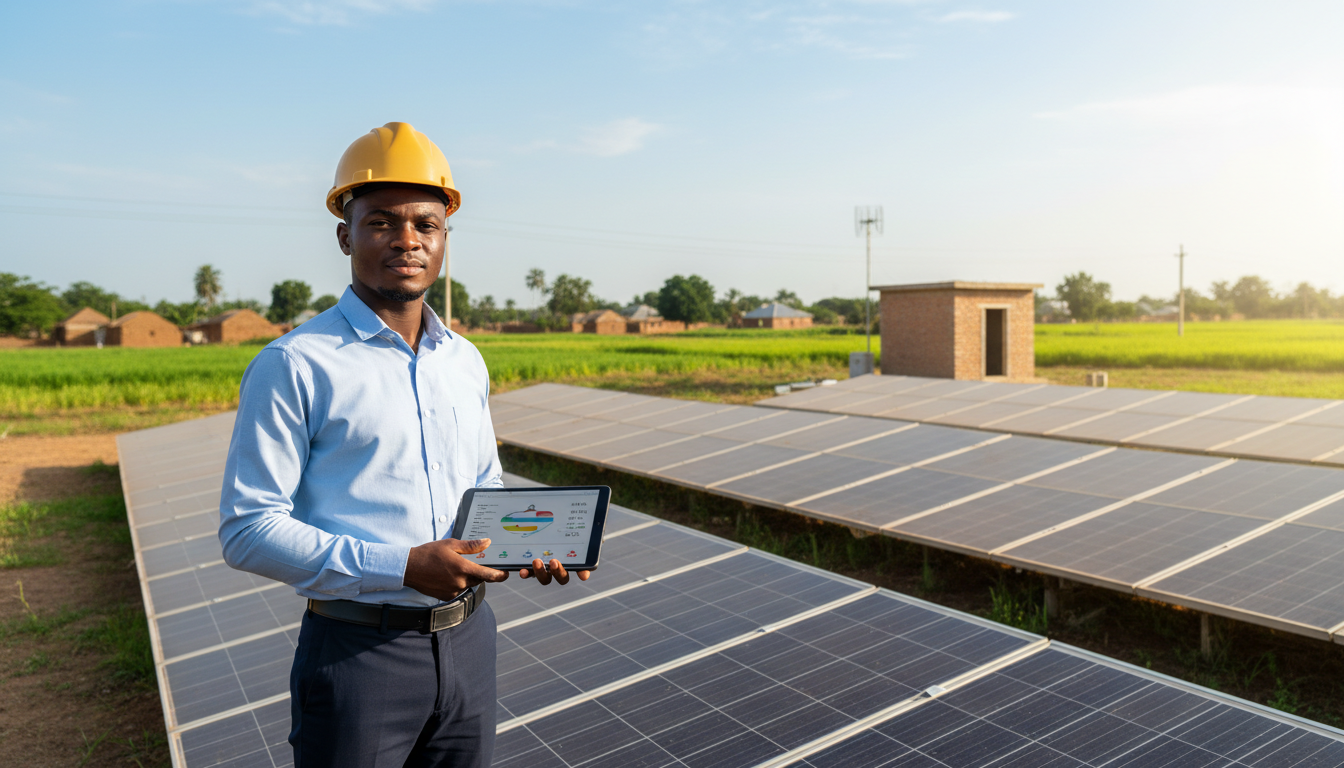
- Solar Technicians and Engineers: Designing, installing, and maintaining solar power systems for homes, businesses, and large-scale projects.
- Wind Turbine Technicians: Specializing in the installation and maintenance of wind energy infrastructure.
- Biofuel Scientists: Researching and developing sustainable alternatives to fossil fuels from organic matter.
- Energy Auditors: Assessing energy consumption in buildings and industries to recommend efficiency improvements.
Acquiring certifications in renewable energy technologies or pursuing degrees in electrical engineering with a focus on sustainable energy can open doors to these roles. Many of these roles can also be considered remote jobs, especially in design and consulting.
2. Sustainable Agriculture and Food Systems: Feeding a Nation Responsibly
With a growing population and increasing concerns about food security and environmental degradation, sustainable agriculture is critical. Green careers in this sector focus on practices that are environmentally friendly, economically viable, and socially responsible:
- Agronomists (Sustainable Farming): Advising farmers on eco-friendly cultivation techniques, soil health, and water conservation.
- Organic Farm Managers: Overseeing the operations of farms that produce organic crops and livestock.
- Food Waste Reduction Specialists: Developing strategies and technologies to minimize food loss from farm to table.
- Agri-tech Innovators: Creating and implementing technological solutions for precision farming, sustainable irrigation, and crop monitoring.
Degrees in agriculture, environmental science, or food technology, coupled with practical experience in sustainable farming methods, are highly valued. This also presents opportunities for small businesses focused on sustainable food production.
3. Waste Management and Circular Economy Experts: Turning Trash into Treasure
Nigeria faces significant challenges with waste management, but this challenge also presents immense opportunities for green innovation. The shift towards a circular economy—where waste is minimized, and resources are reused—is creating new job categories:
- Recycling Plant Managers: Overseeing the operations of facilities that process and repurpose waste materials.
- Environmental Consultants: Advising businesses and governments on waste reduction strategies, compliance, and sustainable practices.
- Product Designers (Circular Design): Creating products that are durable, repairable, and recyclable from the outset.
- Waste-to-Energy Engineers: Developing technologies to convert waste into usable energy.
Backgrounds in environmental engineering, industrial design, or business management with a focus on sustainability are ideal for these roles. This sector also offers numerous profitable business ideas.
4. Environmental Conservation and Management: Protecting Nigeria’s Natural Heritage
Protecting Nigeria’s rich biodiversity and natural resources is crucial. Careers in this field involve direct conservation efforts, policy development, and community engagement:
- Conservation Scientists: Conducting research to protect endangered species and ecosystems.
- Park Rangers/Wildlife Managers: Managing protected areas and implementing conservation programs.
- Environmental Policy Analysts: Developing and advocating for policies that promote environmental protection and sustainable resource use.
- Community Engagement Specialists: Working with local communities to foster sustainable practices and environmental awareness.
Degrees in environmental science, biology, ecology, or geography are excellent foundations for these impactful careers.
5. Green Building and Sustainable Infrastructure: Constructing a Greener Future
The construction industry is a major contributor to carbon emissions. Green building aims to minimize the environmental impact of buildings throughout their lifecycle, from design to demolition. This includes:
- Green Architects and Designers: Specializing in energy-efficient and environmentally friendly building designs.
- Sustainable Construction Managers: Overseeing the use of sustainable materials and practices on construction sites.
- LEED Accredited Professionals: Certifying buildings for their environmental performance.
- Urban Planners (Sustainable Development): Designing cities and communities with a focus on environmental sustainability, green spaces, and efficient resource use.
Professionals with backgrounds in architecture, civil engineering, or urban planning who acquire specialized knowledge in green building standards and technologies will be highly sought after.
Conclusion: Your Role in Nigeria’s Sustainable Future
The rise of green careers in Nigeria is more than just a trend; it’s a fundamental shift towards a more sustainable and resilient economy. By acquiring skills in renewable energy, sustainable agriculture, waste management, environmental conservation, or green building, you are not only enhancing your career prospects but also contributing to a healthier planet and a more prosperous Nigeria. The demand for these skills will only continue to grow, making now the opportune moment to invest in your green future. Embrace the sustainability boom, and become a part of the solution for Nigeria’s environmental and economic challenges.