

The recent wave of “de-recognitions” by the Independent National Electoral Commission (INEC) has sparked a heated debate among legal experts and political analysts. At the center of the controversy is whether the commission has the legal authority to unilaterally remove the names of party leaders from its official records while internal disputes are still pending in court.
Expert Opinions on the Legal Flaws
Former INEC Director, Oluwole Osaze-Uzzi, is among the prominent voices questioning the commission’s current approach. According to Osaze-Uzzi, INEC’s role should be primarily regulatory and facilitative, rather than acting as a final judge in leadership disputes. He suggested that the commission’s actions might be legally flawed and could lead to a mountain of litigations that could have been avoided through more cautious administrative procedures.
The Judiciary as the Final Arbiter
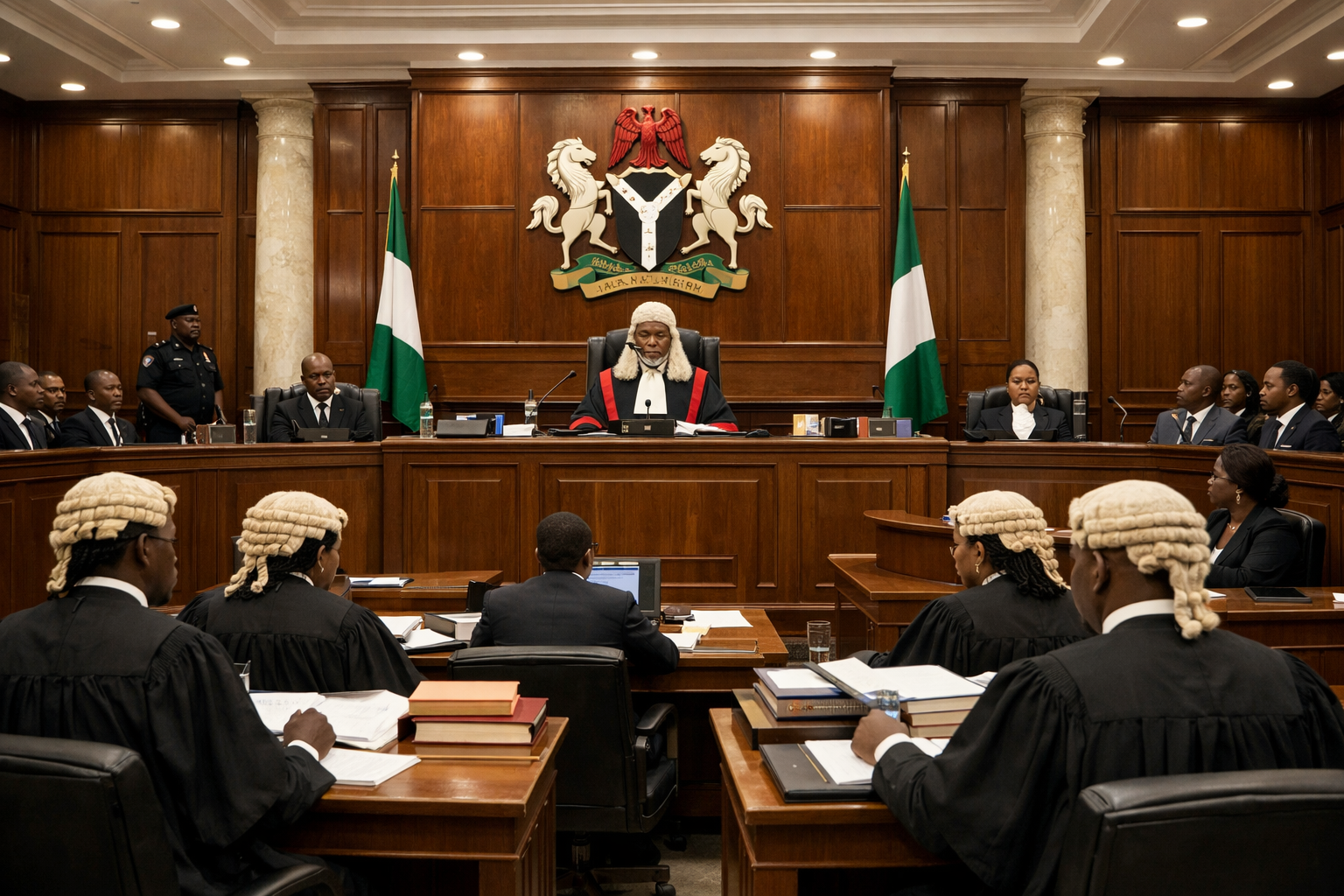
As parties like the ADC and SDP grapple with internal divisions, the role of the Nigerian judiciary has become more critical than ever. Lawyers argue that INEC should wait for definitive court rulings before updating its portals to reflect changes in leadership. The current trend of “administrative de-recognition” is seen by many as an interference in the internal affairs of political parties, which could ultimately weaken the country’s democratic fabric and the strength of the political opposition.
Conclusion
The ongoing legal battles will likely redefine the relationship between INEC and political parties in Nigeria. As the courts weigh in on these matters, the need for a clearer legal framework for party administration becomes evident. For more in-depth political analysis and updates on Nigerian electoral laws, continue to follow our coverage of the evolving political landscape.