

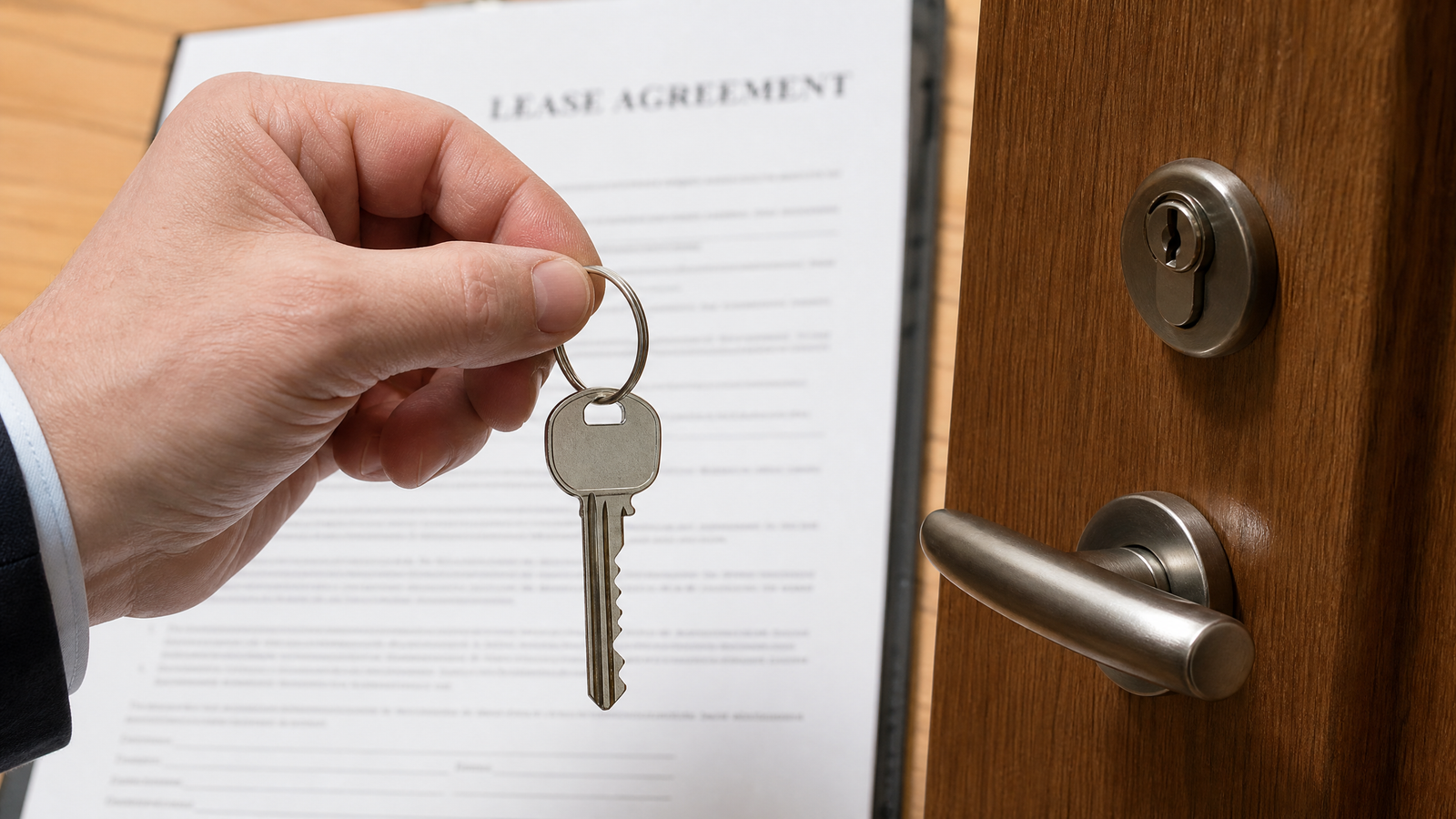
Introduction: The Nightmare of the Locked Door
Imagine returning home from a long day at work only to find a massive padlock on your gate, placed there by an angry landlord demanding rent. This scenario is all too common in Nigerian cities like Lagos, Abuja, and Port Harcourt. But as we navigate 2026, it is crucial to ask: does your landlord actually have the legal right to lock you out? The short answer is a resounding no. Let us explore your rights as a tenant under Nigerian law.
The Illegality of “Self-Help” Evictions
Under Nigerian law, particularly the Lagos State Tenancy Law and similar statutes across the country, a landlord cannot simply wake up and lock you out, even if you owe rent. The law strictly prohibits what is known as “self-help.” This means a landlord cannot take the law into their own hands by locking doors, removing the roof, disconnecting utilities, or seizing your property to force you out.
Every tenant is entitled to “quiet and peaceable enjoyment” of the property they rented. If a landlord resorts to a lockout, they are committing a civil wrong (trespass) and potentially a criminal offense. As a tenant, knowing this gives you immense power. Just as you would research the best tech gadgets to improve your life, you must equip yourself with legal knowledge to protect your home.
The Proper Legal Eviction Process in 2026
If a landlord wants you out, they must follow the strict legal procedure laid down by the law. Here is how it works:
1. The Quit Notice: The landlord must serve you a valid Quit Notice. The duration depends on your tenancy agreement. For a yearly tenant, the law requires a 6-month notice. For a monthly tenant, a 1-month notice is required.
2. Notice of Owner’s Intention: After the Quit Notice expires, if you are still in the property, the landlord must serve a 7-day “Notice of Owner’s Intention to Recover Possession.”
3. Court Order: Only after these notices have expired can the landlord take you to court. A tenant can only be legally evicted by a court order executed by court officials, never by the landlord or their agents.
What to Do If Your Landlord Locks You Out
If you find yourself locked out, do not resort to violence. First, document the incident with photos or videos. Next, report the matter to the nearest police station, stating that your landlord has resorted to illegal self-help and is trespassing on your rented property. Finally, consult a lawyer. You can sue the landlord for damages, and courts frequently award heavy compensation to tenants who have been illegally locked out.
If the stress of renting in Nigeria is pushing you to consider relocating, you might want to read our comprehensive guide on moving to Australia.
Conclusion: Stand Your Ground
In 2026, ignorance of the law is no longer an excuse. Your landlord is not a supreme ruler; they are bound by the Tenancy Law. Pay your rent when due, but if disputes arise, know that the law protects you from arbitrary lockouts and harassment. Stand your ground and demand that the proper legal channels be followed.