

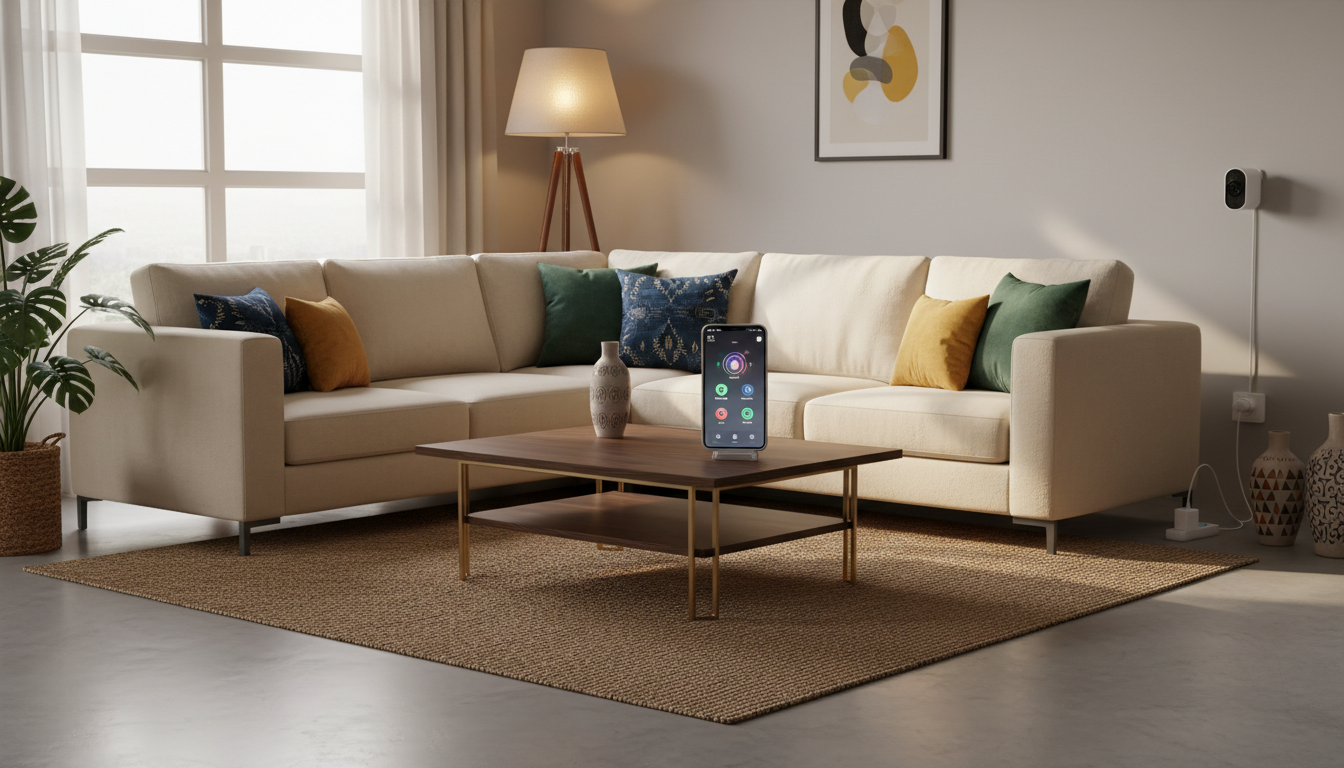
Introduction: Bringing Smart Home Tech to the Nigerian Reality
The concept of a “smart home” often conjures images of futuristic mansions with voice-controlled everything and exorbitant price tags. However, in 2026, smart home technology has become more accessible and affordable than ever, even for the average Nigerian household. The key is to focus on essential Internet of Things (IoT) gadgets that address specific local needs: enhancing security, optimizing energy consumption, and adding convenience without breaking the bank. Building a smart home in Nigeria isn’t about luxury; it’s about practical solutions to everyday challenges.
This guide will explore essential IoT gadgets that offer significant value for money, helping you transform your Nigerian home into a smarter, more efficient, and more secure living space. We’ll focus on devices that are robust, relatively easy to install, and provide tangible benefits tailored to the Nigerian context.
1. Smart Security Cameras: Your Eyes When You’re Away
Security is a paramount concern for many Nigerian households. Affordable smart security cameras offer peace of mind by allowing you to monitor your home remotely. Look for cameras with:
- High-Definition Video: For clear footage, even at night.
- Motion Detection: To alert you to unusual activity.
- Two-Way Audio: To communicate with visitors or deter intruders.
- Cloud Storage Options: To save footage securely, though local SD card storage is also a good backup.
Brands like TP-Link Tapo, Xiaomi, or even local Nigerian brands are offering reliable and budget-friendly options. These cameras can be integrated with your smartphone, providing real-time alerts and live feeds, making them an indispensable part of your tech starter pack.
2. Smart Plugs: Intelligent Control Over Your Appliances
Smart plugs are perhaps the simplest and most cost-effective entry point into home automation. These devices plug into existing wall outlets, turning any ordinary appliance into a smart one. With a smart plug, you can:
- Remotely Control Appliances: Turn off lights, fans, or chargers from anywhere using your phone.
- Schedule On/Off Times: Automate your water heater, outdoor lights, or mosquito repellent.
- Monitor Energy Usage: Some smart plugs offer energy monitoring, helping you identify power-hungry appliances and reduce your electricity bill.
This is particularly useful for managing power consumption during erratic electricity supply, contributing to saving money on utilities.
3. Smart Lighting: Energy Efficiency and Ambiance
Beyond basic on/off control, smart lighting offers significant energy savings and enhances your home’s ambiance. Smart bulbs and light strips can be controlled via an app, voice commands, or scheduled to turn on/off automatically.
- LED Smart Bulbs: Energy-efficient and long-lasting, many offer adjustable brightness and color temperature.
- Motion-Activated Lights: For security and convenience in hallways or bathrooms, ensuring lights are only on when needed.
By automating your lighting, you not only save energy but also create a more responsive and secure home environment.
4. Smart Door/Window Sensors: Enhanced Home Security
Complementing smart cameras, door and window sensors provide an additional layer of security. These small, discreet devices alert you via your smartphone if a door or window is opened unexpectedly. They are inexpensive and easy to install, making them a great addition to any budget-conscious smart home setup.
They can also be integrated with other smart devices, for example, triggering a smart light to turn on if a door opens after dark, or sending an alert if a window is left open when you leave the house.
5. Smart Universal Remotes: Consolidating Your Control
Tired of juggling multiple remotes for your TV, AC, sound system, and decoder? A smart universal remote can consolidate control of all your infrared (IR) devices into a single app on your smartphone. Some advanced versions can even integrate with voice assistants.
This gadget simplifies your entertainment setup and reduces clutter, offering a centralized control point for many of your home electronics. It’s a convenience gadget that significantly improves the user experience in a modern Nigerian living room.
6. Portable Wi-Fi Routers/Mifis: Reliable Connectivity
While not strictly an IoT gadget for home automation, a reliable portable Wi-Fi router (Mifi) is an essential component of a smart home in Nigeria. It ensures that all your smart devices remain connected, even during power outages or if your primary internet service is down. Many smart devices rely on a stable internet connection to function optimally.
Having a dedicated, portable internet source means your smart security cameras can still send alerts, your smart plugs can still be controlled, and your smart lighting schedules remain active, ensuring your smart home ecosystem is always online and responsive.
Conclusion: A Smarter Home is Within Reach
Building a smart home in Nigeria in 2026 doesn’t require a massive budget or complex installations. By strategically selecting essential IoT gadgets like smart security cameras, smart plugs, smart lighting, door/window sensors, universal remotes, and reliable portable Wi-Fi, you can significantly enhance your home’s security, energy efficiency, and overall convenience. These affordable and practical solutions empower you to create a modern, responsive living space that adapts to the unique realities of the Nigerian environment. Embrace smart tech, and transform your home into a hub of efficiency and peace of mind.