

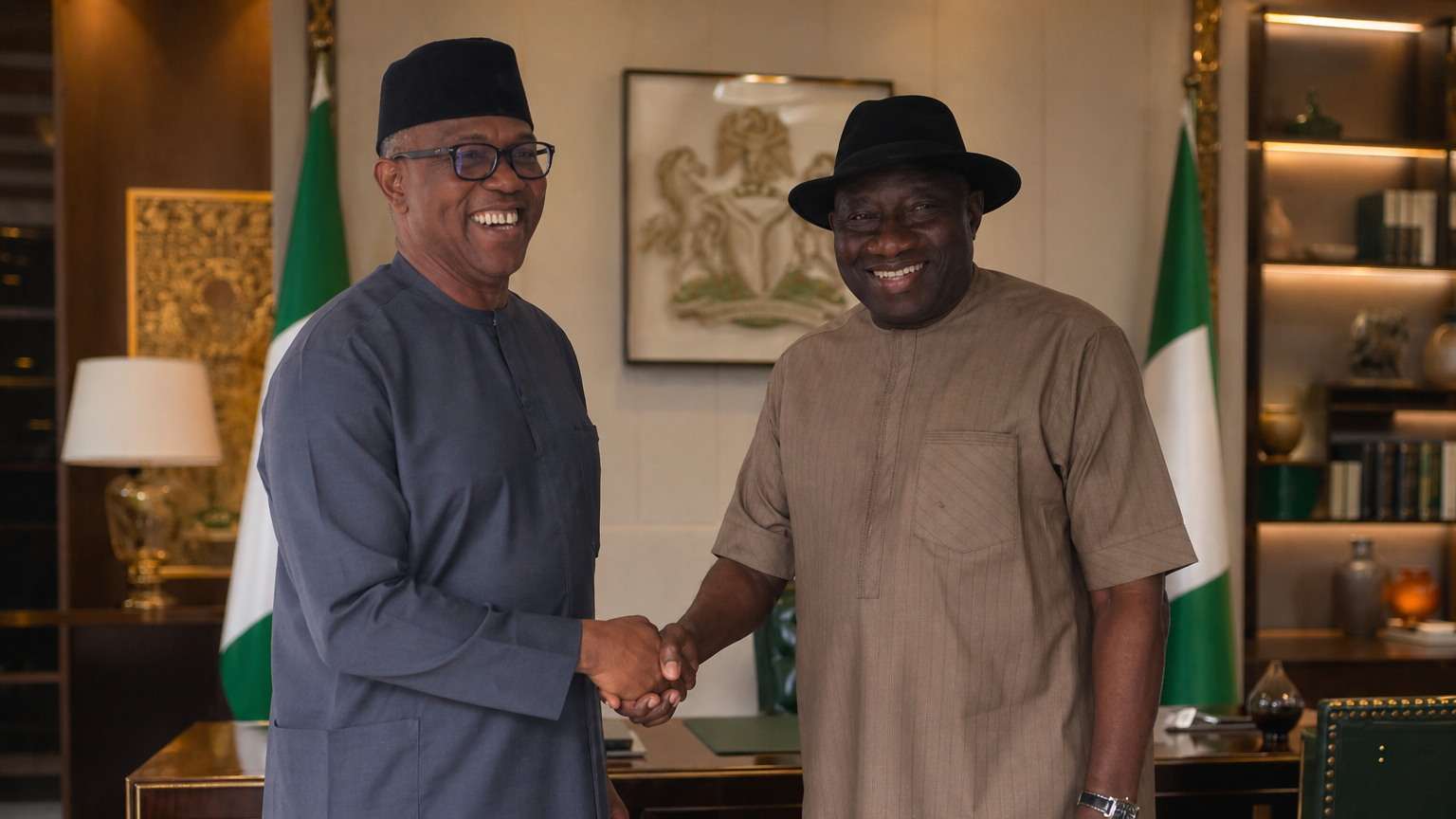
The Abuja Meeting: A Confluence of Political Minds
In a move that has set tongues wagging across Nigeria’s political landscape, Labour Party chieftain Peter Obi recently held a closed-door meeting with former President Goodluck Jonathan in Abuja. The visit, described by Obi as part of “extensive consultations” regarding the 2027 general elections and the broader “state of the nation,” has ignited a flurry of speculation about potential realignments and strategic alliances ahead of the next electoral cycle.
Obi, a former Anambra State Governor and presidential candidate in the last general elections, was reportedly accompanied by other prominent leaders from the South East. While the specifics of their discussions remain under wraps, the timing and participants of the meeting suggest a deliberate effort to build consensus and forge new pathways in the nation’s complex political terrain.
Jonathan’s Enduring Influence: A Mentor’s Role?
Goodluck Jonathan, a figure who has largely maintained a statesman-like distance from active partisan politics since leaving office, continues to command respect and influence across various political divides. His counsel is often sought by aspiring leaders and seasoned politicians alike. Obi’s visit to the former president could be interpreted as a strategic move to tap into Jonathan’s wealth of experience and political wisdom, particularly concerning the intricacies of national leadership and unity.
The meeting underscores the ongoing efforts by political actors to consolidate their positions and broaden their appeal. As the 2027 elections draw closer, such consultations are expected to become more frequent, shaping the narratives and alliances that will define the next political contest. The discussions likely touched upon critical national issues, economic challenges, and strategies for fostering greater national cohesion.
The Road to 2027: What Lies Ahead?
The political landscape in Nigeria is perpetually dynamic, with alliances shifting and new strategies emerging. Peter Obi’s engagement with Goodluck Jonathan, an elder statesman with a unique perspective on national governance, signals a proactive approach to the upcoming elections. It highlights the importance of dialogue and collaboration in navigating the country’s multifaceted challenges.
This meeting, while not explicitly detailing any concrete political pacts, certainly adds another layer of intrigue to the 2027 political chessboard. Observers will be keenly watching for further developments, as political figures continue to strategize and position themselves for the battles ahead. The focus remains on how these consultations will translate into tangible political outcomes and ultimately impact the lives of ordinary Nigerians.
Conclusion
The convergence of Peter Obi and Goodluck Jonathan in Abuja is more than just a courtesy call; it is a significant political event that hints at the intricate maneuvering already underway for the 2027 general elections. As leaders engage in these high-level discussions, the hope is that their deliberations will contribute to a more stable, prosperous, and united Nigeria. The coming months will undoubtedly reveal the full implications of these strategic consultations.