The Federal Government of Nigeria has unveiled an ambitious economic roadmap aimed at achieving a seven percent annual Gross Democratic Product (GDP) growth rate. This bold target, announced by the Minister of Finance and Coordinating Minister of the Economy, Mr. Wale Edun, is designed to accelerate national development and significantly reduce poverty levels across the country.
Bridging the $14 Billion Infrastructure Gap
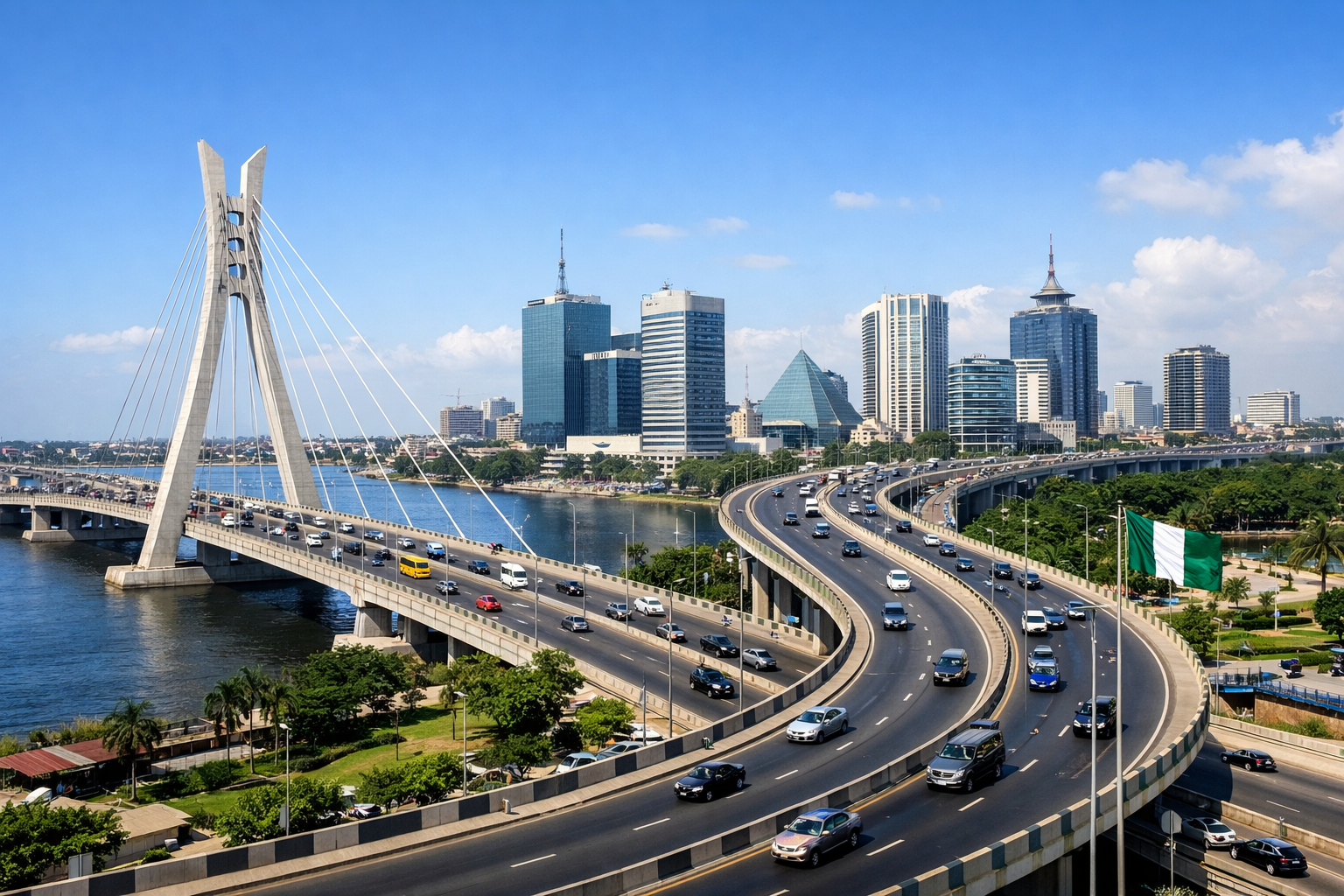
During a recent engagement in Lagos, Mr. Edun highlighted that Nigeria requires approximately $14 billion in annual investment to close its massive infrastructure deficit. The government is shifting its focus from traditional public financing to private capital mobilization, seeking to attract large-scale domestic and foreign investments. Key priority sectors identified for this investment include energy, transport, agriculture, and digital infrastructure, which are seen as essential for boosting national productivity.
Empowering the Next Generation
A significant part of the new strategy involves social development, with 2026 designated as the “Year of Social Development.” The plan aims to integrate up to 10 million Nigerians into productive economic activities through skills development and job creation initiatives. By focusing on digital infrastructure and empowering small businesses, the government hopes to create a more competitive and innovative economy that can support a growing population.
Conclusion
While the 7% growth target is ambitious, the government’s commitment to structural reforms and strategic partnerships, such as those with the Islamic Development Bank (IsDB), provides a clear direction. If successful, these initiatives could transform Nigeria’s economic landscape, creating millions of jobs and positioning the nation as a leading regional power with a long-term goal of building a $1 trillion economy.