

Introduction
Malaria remains a significant public health challenge in Nigeria, affecting millions annually. As we navigate 2026, understanding the current landscape of malaria treatment, including drug availability and pricing, is crucial for every Nigerian household. This comprehensive guide will shed light on the prevailing drug prices, the concerning artemisinin shortage, and practical steps you can take to protect your family.
The Evolving Cost of Malaria Treatment in 2026
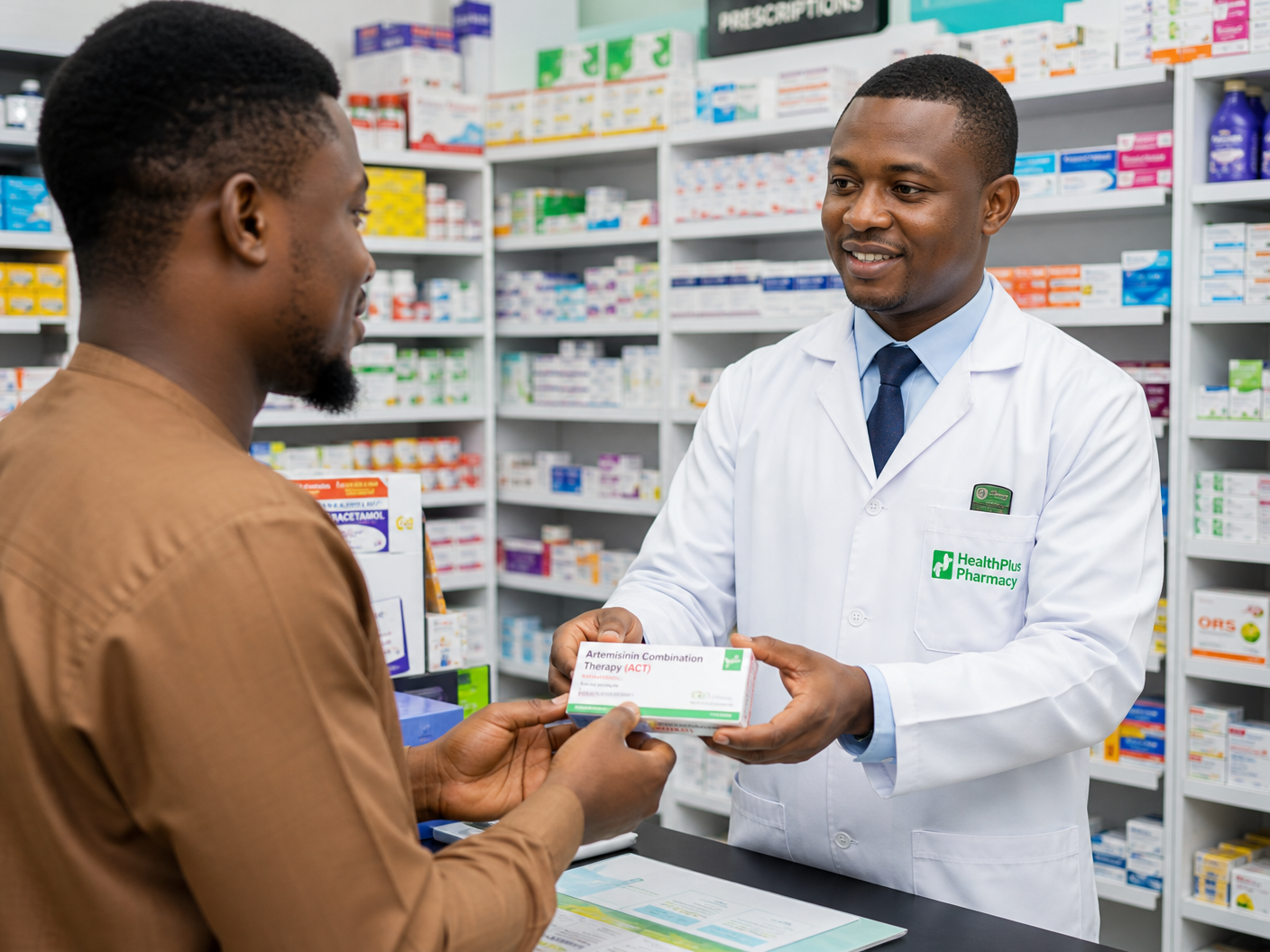
The cost of malaria treatment in Nigeria has been subject to various factors, including global supply chains, local demand, and government policies. In 2026, patients can expect to encounter a range of prices for common antimalarial drugs. Artemisinin-based Combination Therapies (ACTs) remain the first-line treatment due to their efficacy. However, recent reports indicate fluctuations in their cost.
- Artemether-Lumefantrine (e.g., Coartem, Lonart): Prices for a full adult dose typically range from ₦1,500 to ₦3,500, depending on the brand and pharmacy location. Pediatric formulations are generally less expensive but also vary.
- Dihydroartemisinin-Piperaquine (e.g., Artequick, P-Alaxin): This alternative ACT can be found within a similar price bracket, often between ₦1,800 and ₦4,000.
- Sulphadoxine-Pyrimethamine (SP): While primarily used for Intermittent Preventive Treatment in Pregnancy (IPTp), SP can also be found for around ₦300 to ₦700.
It is important to note that these are approximate prices, and consumers are advised to check with reputable pharmacies for the most current rates. [1]
Understanding the Artemisinin Shortage
A recurring concern in malaria treatment is the potential shortage of artemisinin, a vital component of ACTs. In 2026, reports suggest that some regions in Africa, including parts of Nigeria, are experiencing challenges in maintaining a consistent supply of artemisinin-based drugs. This shortage can lead to several critical issues:
- Increased Prices: Scarcity often drives up the cost of available drugs, making treatment less accessible for low-income households.
- Treatment Delays: Patients may face delays in receiving appropriate treatment, leading to more severe cases and complications.
- Rise of Counterfeit Drugs: A shortage can create a market for substandard or fake antimalarial drugs, posing serious health risks.
Experts emphasize the need for robust supply chain management and local production initiatives to mitigate the impact of such shortages. [2]
Effective Malaria Prevention Strategies
Prevention remains the most effective way to combat malaria. In light of treatment costs and potential drug shortages, adopting preventive measures is more critical than ever:
- Use Insecticide-Treated Nets (ITNs): Sleeping under ITNs significantly reduces the risk of mosquito bites, especially during peak biting hours.
- Environmental Sanitation: Eliminate mosquito breeding sites by clearing stagnant water around homes, disposing of refuse properly, and cutting overgrown bushes.
- Indoor Residual Spraying (IRS): This involves spraying the inside surfaces of homes with insecticides, providing long-lasting protection against mosquitoes.
- Prophylaxis for Travelers: Individuals traveling to malaria-endemic areas should consult a healthcare professional about antimalarial prophylaxis.
- Prompt Diagnosis and Treatment: Seek immediate medical attention if you experience malaria symptoms. Early diagnosis and treatment prevent severe illness and reduce transmission.
Conclusion
Navigating malaria treatment in Nigeria in 2026 requires vigilance and proactive measures. While drug prices fluctuate and artemisinin shortages pose challenges, staying informed and prioritizing prevention can significantly impact public health outcomes. By understanding the costs, being aware of supply issues, and diligently practicing preventive strategies, Nigerians can collectively work towards a malaria-free future. For more information on health-related topics, visit Naira.blog Health Section.