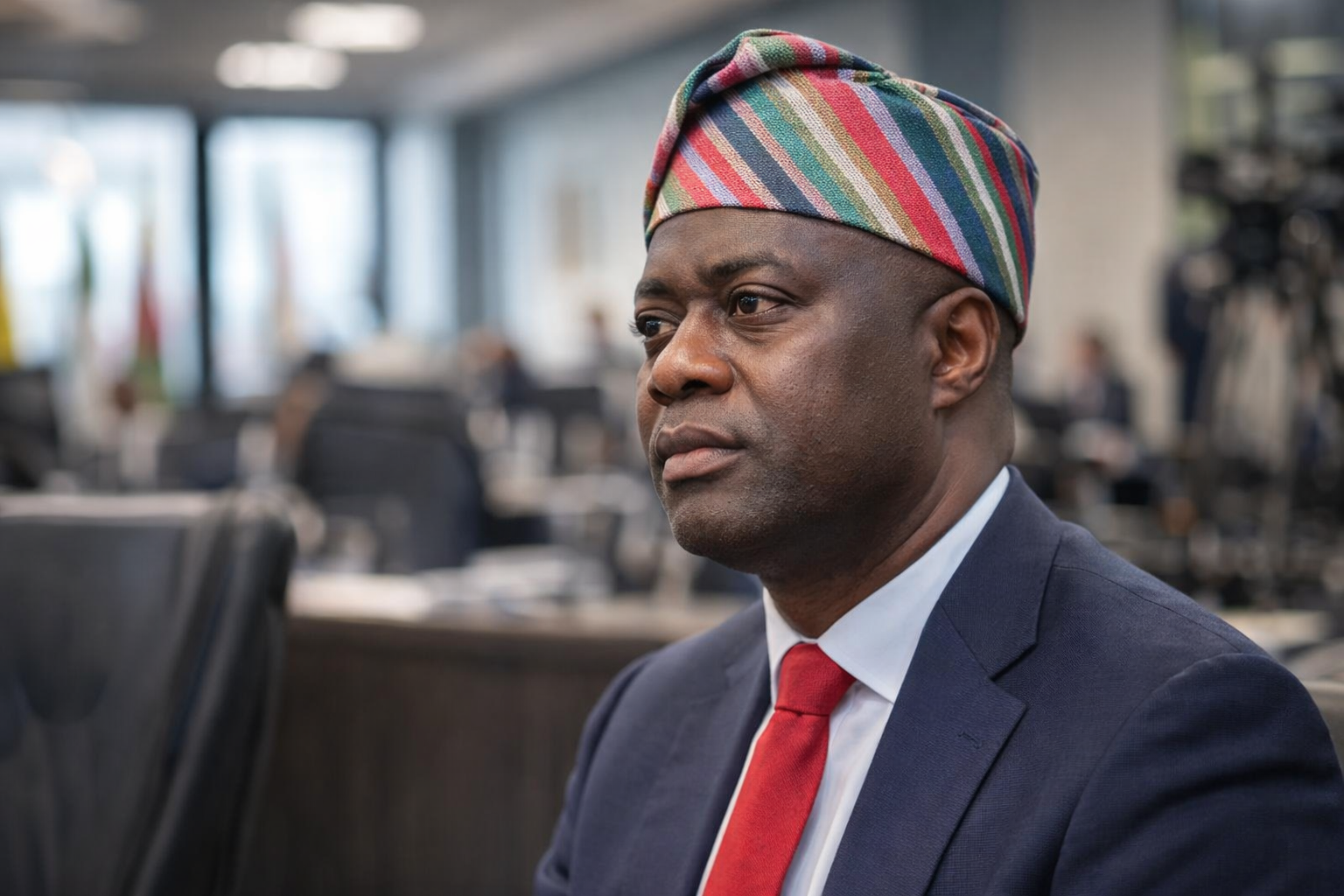
In a powerful address at the recent Ibadan Summit, Oyo State Governor Seyi Makinde issued a stark warning against the dangers of one-party domination in Nigeria, drawing parallels to the infamous ‘Operation Wetie’ that scarred the nation’s political landscape in the mid-1960s. The summit, a gathering of prominent opposition political party leaders including Atiku Abubakar, Rabiu Musa Kwankwaso, Rotimi Amaechi, Peter Obi, and Rauf Aregbesola, served as a crucial platform for discussing the country’s democratic future.
Echoes of a Violent Past: Operation Wetie
‘Operation Wetie,’ a term derived from Yoruba meaning ‘Wet it,’ refers to the brutal political violence that erupted in Nigeria’s Western Region following the disputed 1965 elections. This dark chapter saw political opponents, their homes, and vehicles doused with petrol and set ablaze, a chilling reminder of the consequences of unchecked political power and electoral malpractice. Governor Makinde’s invocation of this historical event underscores the gravity of his concerns regarding the current political climate.
The Perils of One-Party Rule
Makinde emphasized that while the 1950 Ibadan conference played a pivotal role in shaping Nigeria’s constitutional future, today’s political trajectory presents a different challenge. He highlighted ongoing efforts to consolidate legislative control under a single party, coupled with internal crises and legal battles plaguing opposition parties. He asserted that democracy is not defined by the success of one party, but by the existence of real alternatives and the ability of citizens to choose.
Economic Hardship and the Call for Visionary Leadership
Adding another layer to the summit’s discussions, political economist Pat Utomi painted a grim picture of Nigeria’s economic realities. He shared a personal anecdote of spending a staggering N250,000 to fill his fuel tank, contrasting it sharply with the fact that a large percentage of Nigerians live on less than N100,000 a month. Utomi criticized the prevalent narrative of ‘patience’ amidst rising food prices and insecurity, arguing that such advice holds little meaning for those grappling with immediate hunger.
A Moral Crisis in Leadership
Utomi further reflected on Nigeria’s post-independence era, noting a clear vision for industrialization that is seemingly absent today. He posited that the nation’s challenges extend beyond economic woes, pointing to a moral crisis in leadership. His assertion that ‘Leadership without character cannot build a nation’ resonates deeply with the current struggles faced by many Nigerians.
The Ibadan Summit, therefore, served as a critical forum for political leaders and thinkers to reflect on Nigeria’s past, confront its present challenges, and deliberate on a path forward that safeguards democratic principles and addresses the pressing economic concerns of its citizens.