

Introduction
In a significant diplomatic setback, Iran has officially rejected the latest ceasefire proposal put forward by U.S. President Donald Trump. The rejection comes at a time of heightened tensions in the Middle East, with military actions continuing to escalate across various fronts.
Diplomatic Standoff
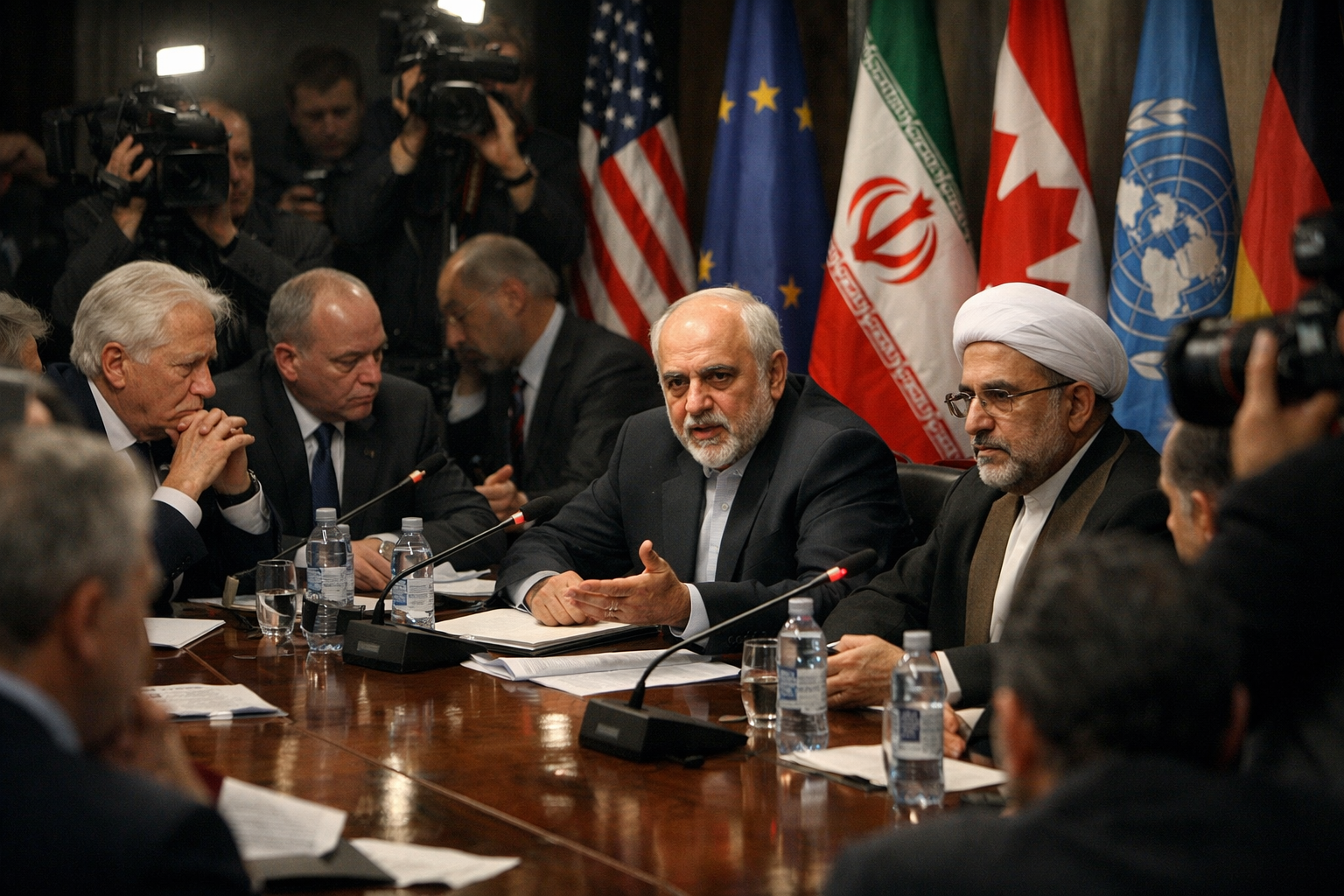
The proposal, which was aimed at de-escalating the ongoing conflicts in the region, was met with a firm “no” from Tehran. Iranian officials cited several reasons for the rejection, including concerns over the terms of the deal and what they perceive as a lack of genuine commitment to peace from the international community. This standoff further complicates efforts to find a peaceful resolution to the complex geopolitical issues in the area.
Continued Military Actions
As the diplomatic efforts stall, military strikes have continued unabated. Reports indicate that Israeli strikes in Tehran and other areas have persisted, while Iran-backed militias have claimed responsibility for attacks on U.S. interests in the region. The cycle of violence shows no signs of slowing down, raising fears of a broader regional conflict.
Global Implications
The rejection of the ceasefire proposal has sent shockwaves through the international community. Global leaders are expressing concern over the potential for further escalation and the impact on regional stability. The situation remains fluid, with diplomatic channels still open but facing significant hurdles in the face of ongoing hostilities.
Conclusion
The rejection of the ceasefire proposal by Iran marks a critical juncture in the Middle East crisis. As both sides remain entrenched in their positions, the path to peace appears increasingly difficult. The international community continues to watch closely, hoping for a breakthrough that could prevent further loss of life and restore stability to the region.