While the global oil market is currently showing signs of a windfall for Nigeria, with crude prices soaring above $113 per barrel, the International Monetary Fund (IMF) has issued a sobering reality check. For the average Nigerian, the “black gold” boom may not translate into immediate relief at the dinner table or the bus stop.
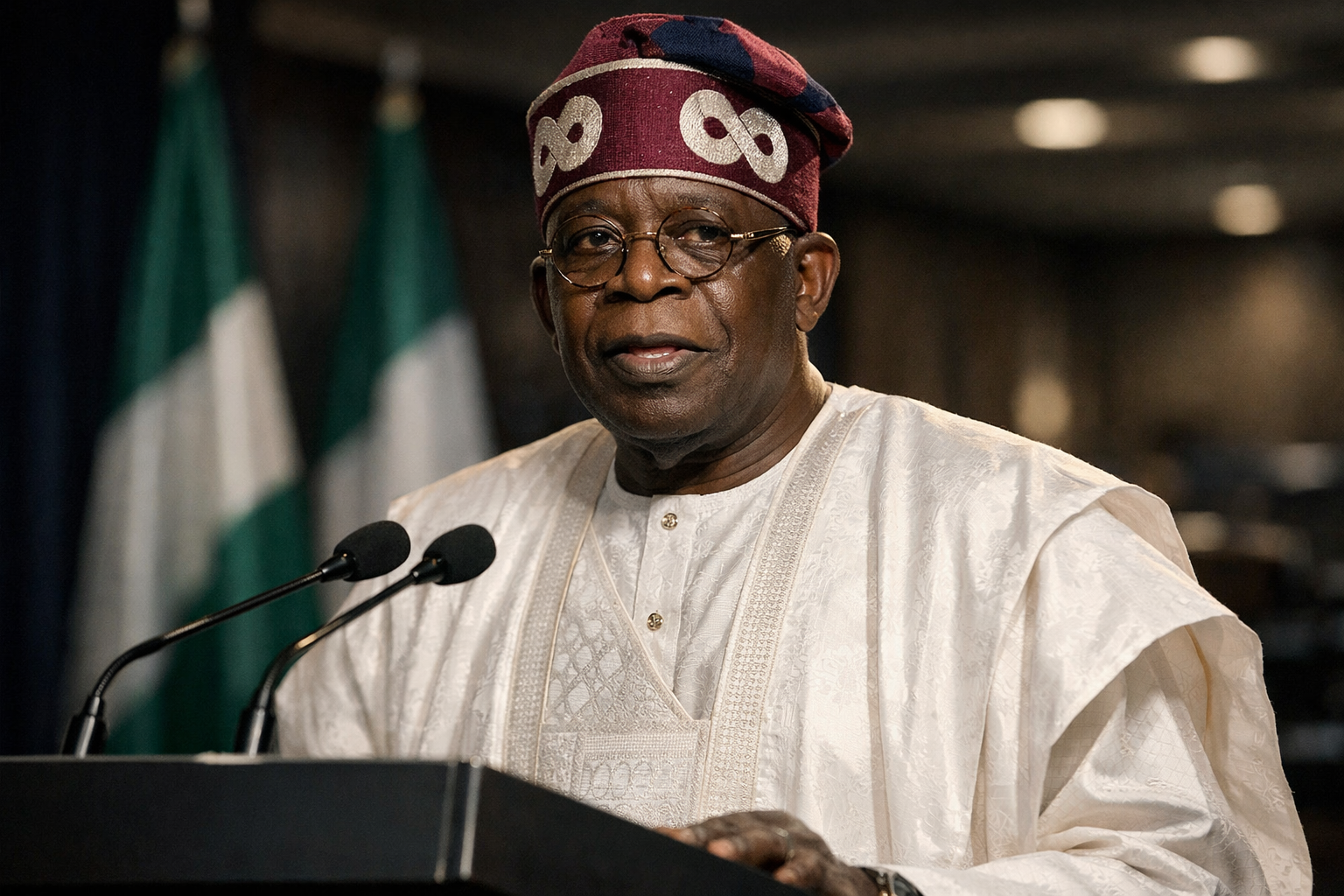
In a recent briefing at the World Bank/IMF Spring Meetings in Washington DC, Abebe Selassie, Director of the IMF’s African Department, painted a challenging picture of the near-term future. The message was clear: Nigerians should brace for even tougher economic conditions as the ripple effects of global geopolitical tensions hit home. This comes at a time when President Tinubu has reaffirmed his political resolve ahead of the 2027 elections.
The Squeeze on Households
The most immediate pressure point for many is the skyrocketing cost of basic living. Transportation costs have surged, creating a domino effect that is pushing food prices beyond the reach of many urban and rural dwellers alike.
According to Selassie, the dislocation is already palpable. “We are already seeing quite a bit of a pinch from the crisis on people,” he noted, highlighting that the rising cost of fertilizers and logistical hurdles are further complicating food security across the region. Amidst these challenges, the administration continues to navigate complex political waters, as seen when Tinubu dismissed recent political conventions as mere distractions.
The Debt Dilemma
Despite the optimism surrounding government revenue from high oil prices—which are currently trading significantly above the 2026 budget benchmark—the IMF remains concerned about Nigeria’s long-term fiscal health. The Fund projected that Nigeria’s debt-to-GDP ratio could climb to 33.1% by 2027.
While Nigeria’s Debt Management Office (DMO) has been noted for its professionalism, the sheer volume of public debt—which reached N159.27 trillion by the end of 2025—leaves little room for error. The IMF is urging the government to rebuild fiscal buffers rather than delaying difficult decisions. Political stability remains a key factor in economic recovery, though issues like the controversy over INEC staff redeployment continue to spark debate.
Navigating the Storm: What Lies Ahead?
The IMF’s advice to the Nigerian government is focused on three pillars:
- Protecting Priority Spending: Ensuring that critical social services and infrastructure projects are not abandoned.
- Revenue Mobilization: Improving tax efficiency and policy implementation to reduce reliance on volatile oil income.
- Stakeholder Engagement: Maintaining transparent communication with the public during these difficult structural reforms.
As the Middle East conflict continues to influence global energy markets, Nigeria finds itself in a delicate balancing act. The potential for higher oil earnings offers a temporary shield, but without deep-seated structural changes and prudent debt management, the path to sustainable economic stability remains steep. Even as parties like the Labour Party prepare for their national conventions, the focus remains on the country’s fiscal resilience.
For now, the warning from Washington is a reminder that in the world of global economics, even a boom in one sector can come with a heavy price tag for the most vulnerable citizens.