

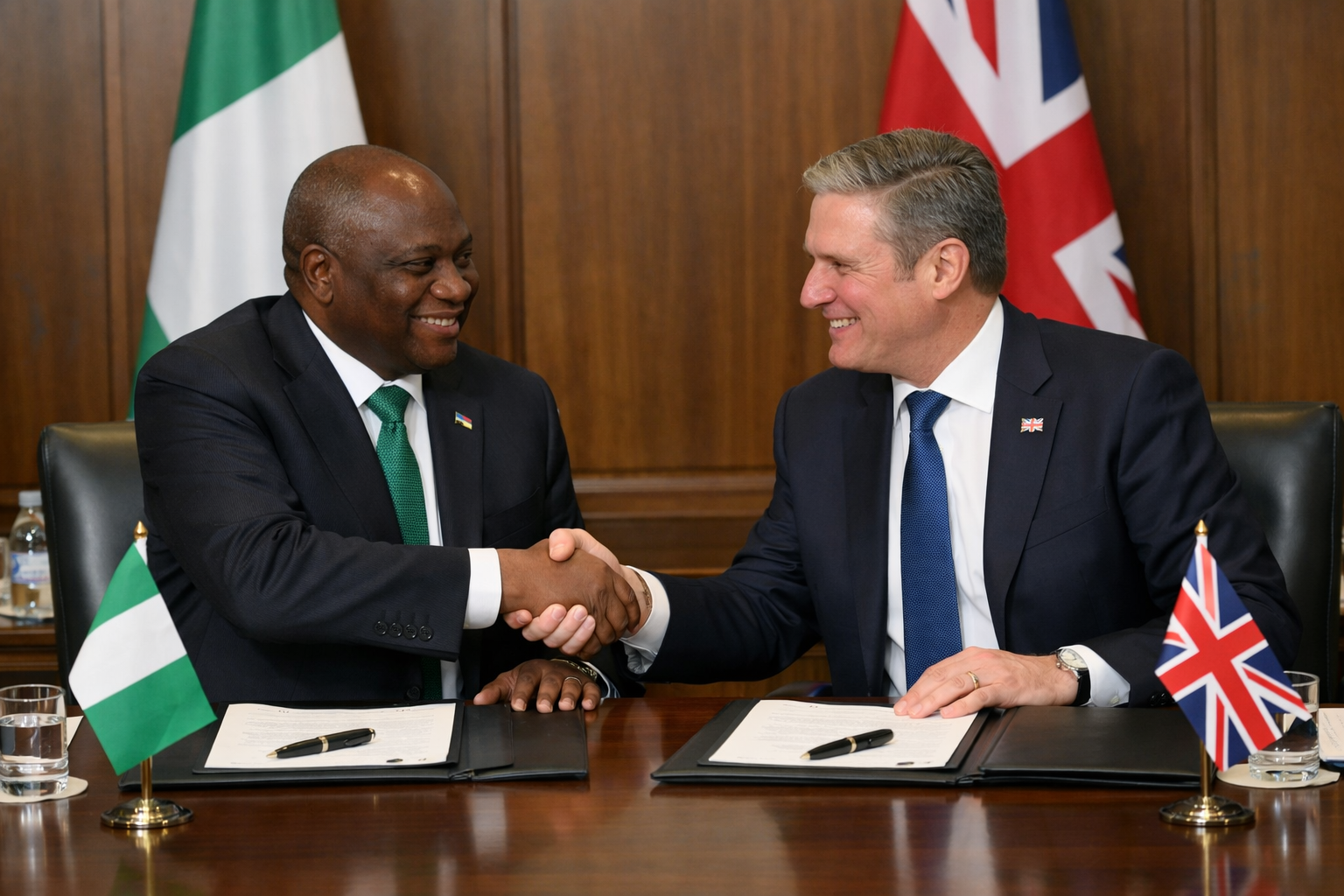
In a major boost for Nigeria’s maritime and economic sectors, President Bola Ahmed Tinubu has secured a landmark £746 million (approximately $990 million) export finance deal with the United Kingdom. The agreement, signed during the President’s recent state visit to London, is aimed at funding the comprehensive redevelopment of two of Nigeria’s busiest seaports: the Lagos Port Complex and the Tin Can Island Port Complex.
A Game-Changer for Nigerian Trade
The multi-million-pound financing agreement marks a significant milestone in the economic relationship between Nigeria and the UK. The funds will be directed towards upgrading the aging infrastructure at the Apapa and Tin Can ports, which handle the vast majority of Nigeria’s import and export traffic.
For years, these ports have been plagued by severe congestion, outdated facilities, and logistical bottlenecks that have stifled trade and driven up the cost of doing business in the country. The planned refurbishment is expected to modernize operations, increase capacity, and significantly improve turnaround times for cargo vessels.
During his meeting with UK Prime Minister Keir Starmer at 10 Downing Street on Thursday, March 19, 2026, President Tinubu emphasized the importance of nurturing the trade and economic relationship between the two nations. The deal is seen as a crucial step in Tinubu’s broader economic reform agenda, aimed at attracting foreign investment and revitalizing key sectors of the Nigerian economy.
Reactions and Controversies
While the government has hailed the agreement as a massive win for the country, it has not been without its critics. The African Democratic Congress (ADC) has publicly faulted the deal, describing it as a “skewed commercial loan” that disproportionately benefits the United Kingdom.
The opposition party raised concerns over the terms of the financing, demanding full transparency from the federal government regarding the repayment structure and the specific allocation of the funds. Critics argue that while the infrastructure upgrade is desperately needed, the long-term financial implications of such a massive loan must be carefully scrutinized to avoid plunging the nation further into debt.
On the other hand, supporters of the deal point out that the modernization of the Lagos ports will have a ripple effect across the entire West African region. By improving efficiency and reducing the cost of shipping, Nigeria could position itself as a dominant maritime hub, boosting regional trade and creating thousands of jobs in the process.
What’s Next?
As the details of the £746 million deal continue to unfold, all eyes will be on the implementation phase. The successful execution of this project could dramatically transform Nigeria’s economic landscape, easing the burden on businesses and consumers alike.
However, the government will need to navigate the concerns raised by the opposition and ensure that the funds are utilized transparently and effectively. For now, the agreement stands as one of the most significant achievements of President Tinubu’s administration on the international stage.
What do you think about this massive UK-Nigeria port deal? Is it the breakthrough our economy needs, or a debt trap in disguise? Share your thoughts in the comments!