

Introduction
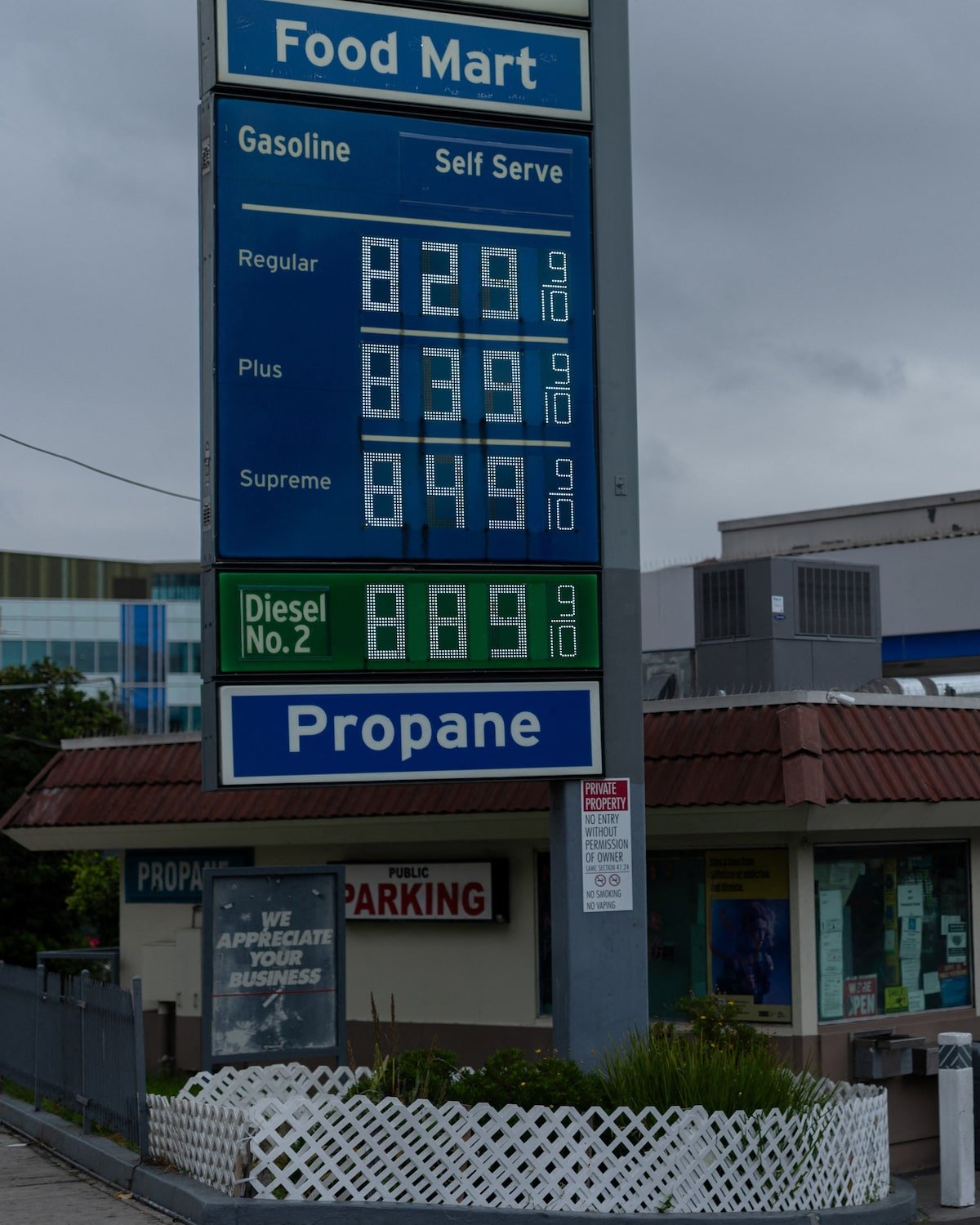
The global economy is currently grappling with a sharp increase in gas prices, a direct consequence of escalating geopolitical tensions in the Middle East. Over the past month, consumers worldwide have witnessed an average rise of nearly $1 per gallon at the pumps, sparking concerns about inflation, household budgets, and the broader economic outlook. This surge underscores the delicate balance of global energy markets and the profound impact of regional conflicts on international stability.
The Middle East Factor
At the heart of this price hike are the ongoing conflicts and heightened instability in the Middle East. The region, a critical hub for global oil production, has seen disruptions that directly affect supply chains and market confidence. Any perceived threat to oil production or transportation routes in this area invariably leads to speculative trading and an immediate upward pressure on crude oil prices, which then translates to higher costs for refined products like gasoline.
Economic Ripple Effects
The ripple effects of soaring gas prices are far-reaching. For individuals, it means increased commuting costs, higher expenses for goods and services due to elevated transportation costs, and a general squeeze on disposable income. Businesses, particularly those reliant on logistics and transportation, face mounting operational costs, which can lead to reduced profitability or, in some cases, necessitate price increases for consumers, further fueling inflationary spirals.
Impact on Global Travel and Tourism
Beyond daily commutes and freight, the surge in fuel costs also casts a shadow over the travel and tourism industries. Airlines, already navigating a complex post-pandemic recovery, face higher operational expenses, potentially leading to increased airfares. This could deter travelers, impacting tourism-dependent economies and the broader hospitality sector, which are vital components of many national economies.
What Lies Ahead?
The trajectory of global gas prices remains closely tied to the geopolitical developments in the Middle East. While governments and central banks are exploring various measures to mitigate the economic impact, a lasting solution hinges on de-escalation and stability in the oil-rich region. Consumers and businesses are urged to brace for continued volatility, as the world navigates these turbulent economic waters.
Conclusion
The recent surge in global gas prices, driven by Middle East tensions, serves as a stark reminder of the interconnectedness of global events and their immediate economic consequences. As the cost of fuel continues to climb, it poses significant challenges for individuals, businesses, and national economies alike. The world watches anxiously for signs of stability, hoping for a resolution that will ease the pressure on energy markets and foster a more predictable economic environment.