
Introduction: Geopolitical Tensions Ignite Energy Markets
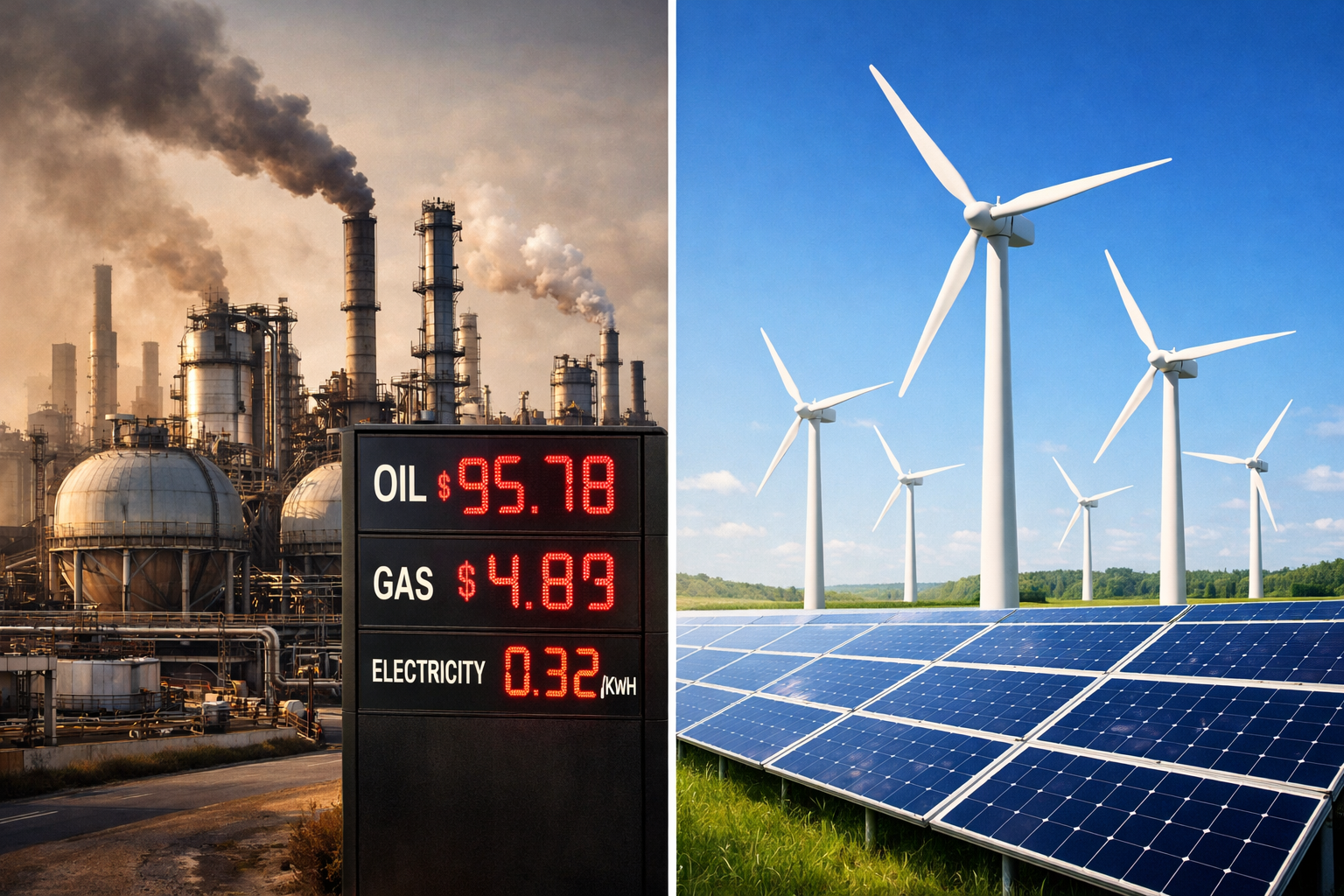
The ongoing geopolitical turmoil, particularly the escalating tensions surrounding the Iran war, has plunged the world into a deepening energy crisis. This instability has sent shockwaves through global markets, with oil prices surging past the critical $100 per barrel mark. Amidst this volatility, a new dynamic is emerging: China is strategically leveraging the crisis to solidify its position as a global leader in clean technology. This confluence of events highlights the intricate connections between international politics, energy security, and the race for technological supremacy.
Oil Prices Soar: The Iran War Factor
The primary catalyst for the recent spike in oil prices is the heightened uncertainty in the Middle East, directly linked to the Iran war. Threats of naval blockades and retaliatory strikes in the Strait of Hormuz, a vital chokepoint for global oil shipments, have fueled fears of supply disruptions. Traders and investors, anticipating potential shortages, have driven up prices, creating a ripple effect across economies worldwide. This situation underscores the fragility of global energy supply chains and their susceptibility to geopolitical events. For a deeper understanding of how these tensions impact global oil, refer to [Trump Orders US Naval Blockade of Strait of Hormuz: Global Oil Supply at Risk?](https://naira.blog/trump-orders-us-naval-blockade-of-strait-of-hormuz-global-oil-supply-at-risk/).
Economic Repercussions
The surge in oil prices has immediate and far-reaching economic repercussions. Consumers face higher costs at the pump, businesses grapple with increased operational expenses, and inflation pressures intensify. For many nations, particularly those heavily reliant on oil imports, this translates into significant economic strain, potentially slowing growth and exacerbating existing financial challenges. The global economy, still recovering from recent shocks, now faces another formidable headwind.
China’s Strategic Play: Dominance in Clean Tech
While the world grapples with the immediate energy crisis, China is making strategic moves to secure its long-term energy future and global influence. The rising cost of fossil fuels, exacerbated by the Iran war, provides a powerful incentive for nations to accelerate their transition to renewable energy sources. China, already a dominant player in the manufacturing of solar panels, wind turbines, and electric vehicles, is doubling down on its investments in clean technology.
A Green Energy Superpower
By positioning itself as the leading innovator and producer of clean energy solutions, China aims to reduce its reliance on volatile fossil fuel markets and gain a significant competitive advantage in the global economy. This strategic pivot not only addresses environmental concerns but also serves a crucial geopolitical purpose, allowing China to exert greater influence in the emerging green economy. The current energy crisis, therefore, is not just a challenge but also an opportunity that Beijing is keenly exploiting.
Conclusion: A Shifting Global Landscape
The global energy crisis, intensified by the Iran war, is reshaping the international landscape. The immediate challenge of soaring oil prices is undeniable, but the long-term implications of China’s aggressive push into clean technology are equally profound. As nations navigate these turbulent waters, the interplay between geopolitical stability, economic resilience, and technological innovation will determine the winners and losers in the evolving global order. The need for diversified energy sources and sustainable solutions has never been more apparent.