
Introduction
Colorectal cancer, often referred to as a silent killer due to its subtle early symptoms, continues to pose a significant health threat in Nigeria. In a proactive move, a prominent health foundation has intensified its advocacy, calling upon the Federal Government to prioritize and implement comprehensive awareness campaigns and accessible screening programs to combat the rising incidence of this preventable disease.
The Urgency of Awareness
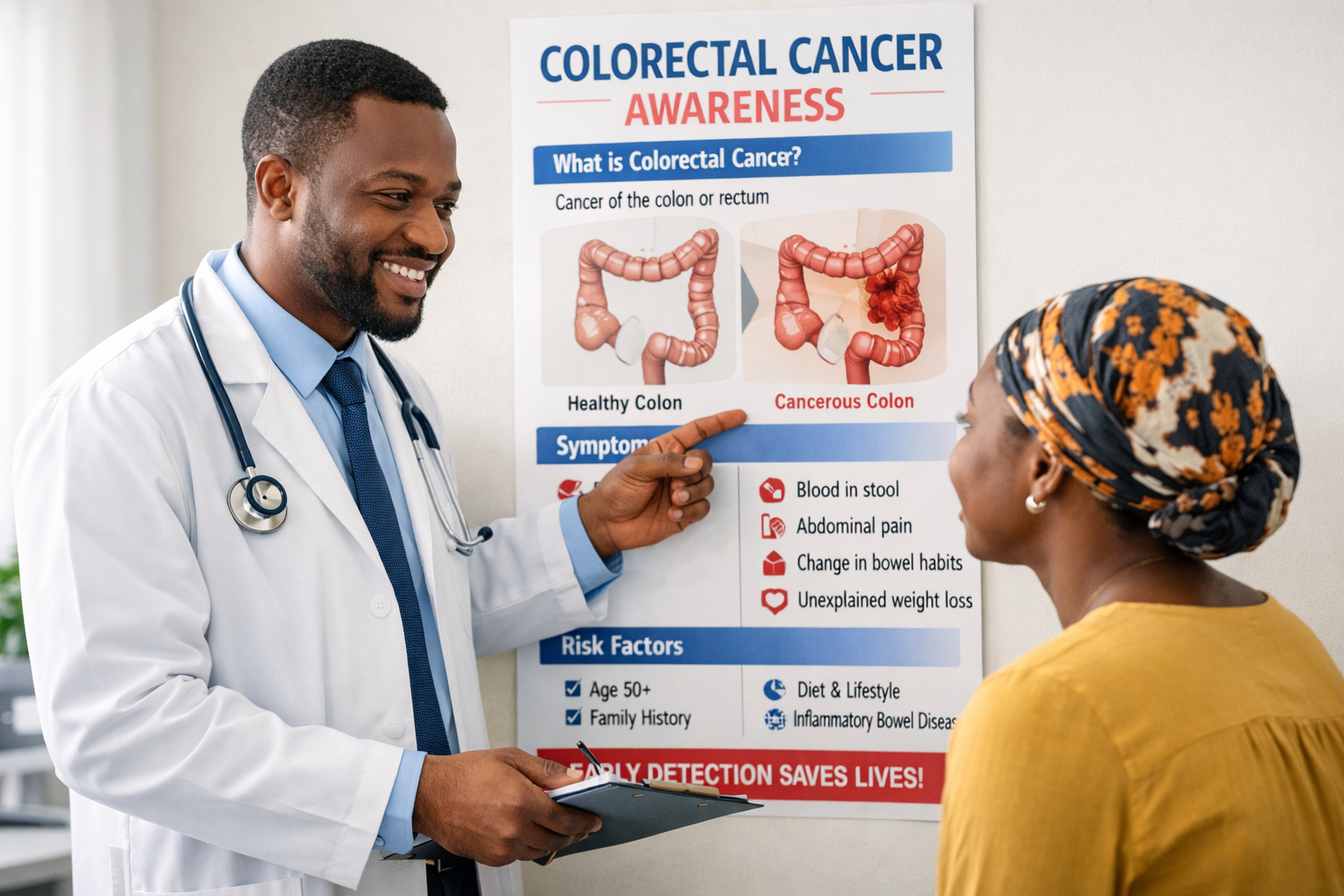
Early detection is paramount in the successful treatment of colorectal cancer. However, a lack of public awareness regarding symptoms, risk factors, and the importance of regular screening often leads to late diagnoses, significantly reducing survival rates. The foundation emphasizes that widespread education can empower Nigerians to recognize warning signs and seek timely medical intervention.
Government’s Role in Public Health
The appeal highlights the critical role of government in safeguarding public health. By investing in national awareness campaigns, integrating screening protocols into primary healthcare, and subsidizing diagnostic procedures, the government can drastically improve outcomes for those at risk. This proactive approach would not only save lives but also reduce the long-term economic burden associated with advanced cancer treatment.
Bridging the Gap: Screening and Accessibility
Beyond awareness, the foundation stresses the need for accessible screening facilities across all geopolitical zones. Many Nigerians, particularly in rural areas, face significant barriers to healthcare access. Establishing mobile screening units and training more healthcare professionals in early detection techniques are proposed solutions to bridge this critical gap.
Conclusion
The call to action by the health foundation serves as a timely reminder of the ongoing battle against colorectal cancer in Nigeria. A concerted effort from the Federal Government, coupled with sustained public engagement, is essential to turn the tide against this silent killer. By prioritizing awareness and accessibility, Nigeria can make significant strides in reducing the burden of colorectal cancer and improving the overall health of its citizens.