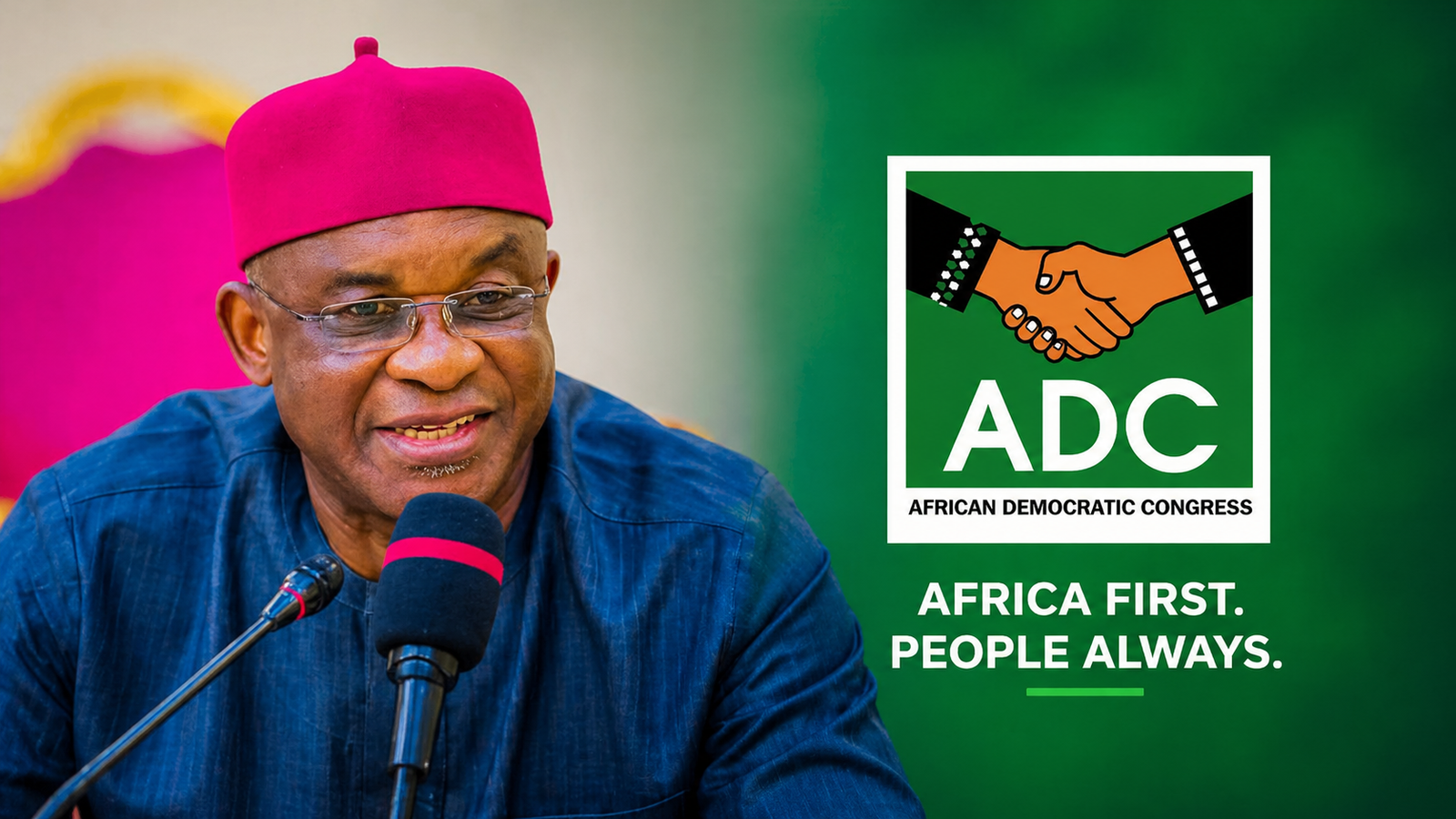
In a candid and urgent declaration, former Senate President David Mark has issued a stern warning that Nigeria is increasingly drifting towards a one-party state. Speaking as the National Chairman of the African Democratic Congress (ADC), Mark’s comments underscore growing anxieties about the health and future of multi-party democracy in the nation.
The Erosion of Democratic Alternatives
Mark’s concerns echo sentiments expressed by other political figures regarding the shrinking space for opposition and diverse political voices. A vibrant democracy thrives on robust debate, alternative policies, and the genuine ability of citizens to choose between different political ideologies. The perceived consolidation of power under a single dominant party threatens to undermine these fundamental tenets, potentially leading to a system where accountability is diminished and dissent is stifled.
Loss of Confidence in Electoral Processes
Further exacerbating the situation, Mark also reportedly highlighted a significant loss of public confidence in the Independent National Electoral Commission (INEC). The integrity of electoral processes is paramount to democratic legitimacy. When citizens lose faith in the fairness and transparency of elections, the very foundation of democratic governance is shaken, paving the way for political apathy or unrest.
Implications for Nigeria’s Political Landscape
The trajectory towards a one-party system, as warned by David Mark, carries profound implications for Nigeria’s political stability and development. It could lead to a lack of checks and balances, reduced innovation in governance, and a political environment less responsive to the diverse needs and aspirations of its populace. The call from leaders like Mark serves as a critical reminder for all stakeholders to safeguard the principles of pluralism and competitive politics that are essential for a thriving democracy.