
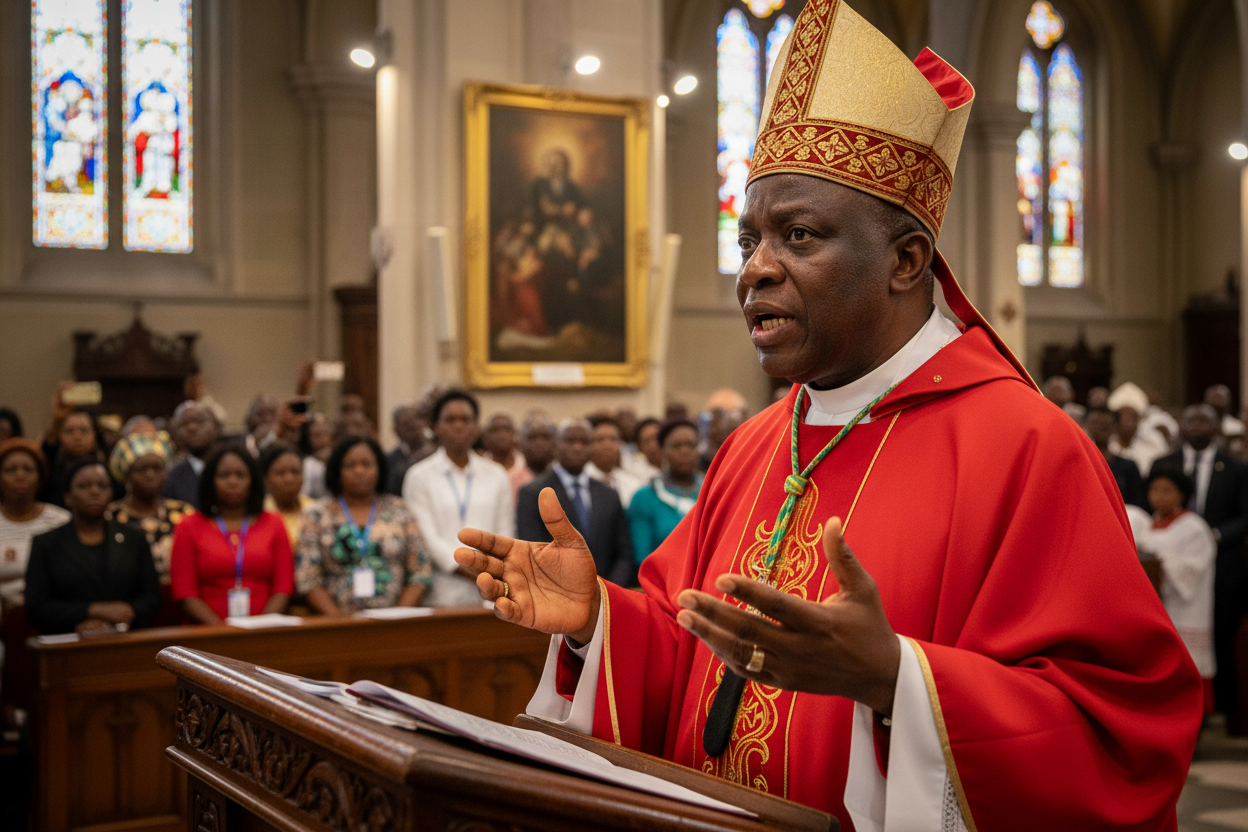
Archbishop Hezekiah Warns: New Tax Policy Could Deepen Hardship for Nigerians
Ah, Nigeria! A land of vibrant culture, resilient people, and, sometimes, policies that make you scratch your head. Recently, a prominent voice, Archbishop Hezekiah, has added his concerns to the growing chatter about the government’s latest tax policy. And trust us, when a spiritual leader speaks on economic matters, people tend to listen.
more news from Nigeria Nigerian entertainment gist more news from Nigeria more news from Nigeria
The Archbishop isn’t mincing words. He’s sending a clear warning signal to the powers-that-be in Abuja: this new tax policy, he believes, is more likely to pile on the suffering for the average Nigerian than to bring any relief. In a country where many are already struggling to put food on the table, such a pronouncement carries significant weight.
The Looming Shadow of Economic Burden
It’s no secret that Nigerians have been grappling with various economic challenges. From fluctuating fuel prices to the rising cost of basic commodities, daily life can feel like a constant uphill battle. So, when a new tax policy is introduced, the immediate reaction for many is often apprehension rather than optimism. Archbishop Hezekiah’s intervention highlights this very real fear.
He’s essentially echoing the sentiments of countless citizens who are worried about how additional taxes will impact their already stretched budgets. Imagine a market woman, whose profit margins are already wafer-thin, now facing another levy. Or a civil servant, whose salary barely covers transport and feeding, seeing a chunk of it disappear to new taxes. These are the real-life scenarios that fuel the Archbishop’s concerns.
A Call for Reconsideration and Relief
Archbishop Hezekiah isn’t just pointing out a problem; he’s also offering a solution – or at least, a path towards one. He’s urging the Nigerian government to take a step back, to reconsider the policy, and, most importantly, to find alternative ways to ease the economic burden on the masses. This isn’t just about collecting revenue; it’s about the well-being of the people.
Perhaps the government could explore other avenues for revenue generation, or perhaps there are ways to implement policies that are less impactful on the most vulnerable. The Archbishop’s message is a plea for empathy and strategic thinking. For more insights into how government policies affect citizens, you can read more on Nigerian politics.
What Does This Mean for the Average Nigerian?
For many Nigerians, this statement from Archbishop Hezekiah serves as a validation of their own anxieties. It reinforces the idea that their struggles are being seen and heard, even from influential quarters. It also puts pressure on the government to respond thoughtfully and transparently.
While the specifics of the new tax policy might vary, the general sentiment is clear: Nigerians are tired of policies that seem to add to their hardship. They are looking for genuine solutions that can lead to an improved quality of life. Understanding the complexities of the Nigerian economy is key to navigating these discussions; you might find it interesting to explore economic trends in Nigeria.
The Path Forward
The ball, as they say, is now in the government’s court. Will they heed the Archbishop’s warning? Will they engage in dialogue with stakeholders and the public to find a more equitable path forward? The coming weeks and months will undoubtedly reveal the direction this contentious issue will take. It’s a conversation that touches on the very fabric of our society and the relationship between the government and its people.
For continuous updates on this and other pressing national issues, keep an eye on trusted news sources and discussions around current events in Nigeria. Your voice matters, and staying informed is the first step towards contributing to meaningful change.
Conclusion
Archbishop Hezekiah’s timely warning about the new tax policy underscores a critical point: government policies must always consider the real-life impact on citizens, especially in challenging economic times. His call for reconsideration and relief is a powerful reminder that leadership involves more than just enacting laws; it demands empathy, foresight, and a genuine commitment to alleviating the burdens of the people. Nigerians are watching, and hoping for policies that truly uplift, rather than further weigh down.