Introduction
Nollywood actor Kunle Remi has joined the growing number of Nigerians expressing their dismay over the continuous increase in fuel prices across the country. In a recent social media post, the popular actor candidly shared his frustrations, labeling the current economic situation as
‘mentally stressful’ and urging fellow citizens to speak up about the hardship.
The Burden of Rising Costs
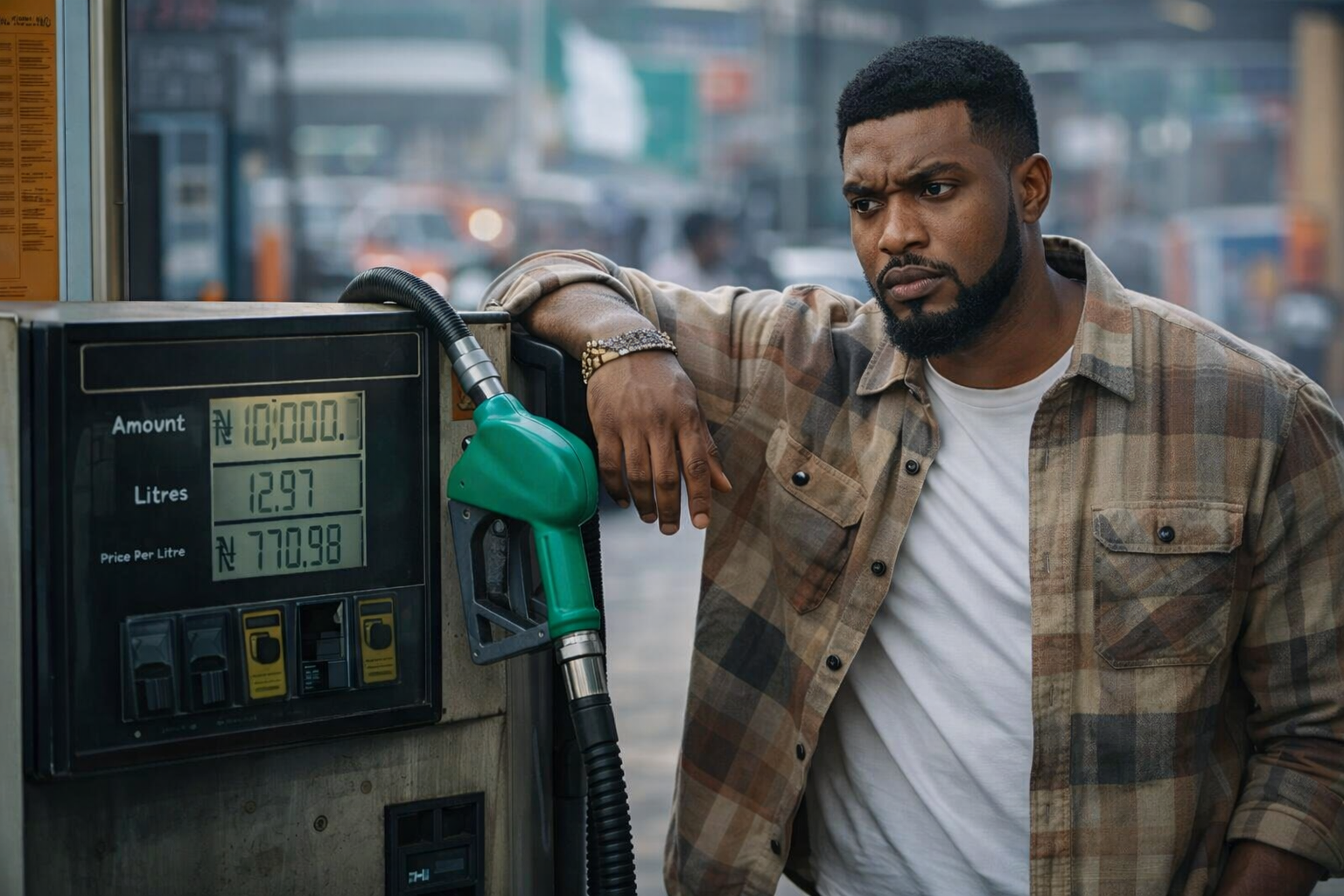
Remi’s comments resonate with millions of Nigerians who are grappling with the ripple effects of escalating fuel prices. The cost of transportation, goods, and services has surged, placing immense pressure on household budgets and diminishing the purchasing power of the average citizen. The actor’s public outcry highlights the widespread discontent and the urgent need for sustainable solutions to the economic challenges facing the nation.
A Call for Collective Voice
Known for his engaging performances, Kunle Remi used his platform to encourage Nigerians to voice their concerns and demand accountability from leaders. He emphasized that silence in the face of such economic strain only perpetuates the problem. His message has sparked conversations online, with many commending his courage to speak truth to power and articulate the struggles of everyday Nigerians.
Impact on Daily Life
The continuous hike in fuel prices has far-reaching consequences, affecting everything from small businesses struggling with operational costs to individuals commuting to work. The economic squeeze is forcing many to make difficult choices, impacting their quality of life and overall well-being. Remi’s personal experience, though from a public figure, mirrors the collective sentiment of a nation yearning for relief.
Conclusion
Kunle Remi’s heartfelt lament about the fuel price hike serves as a poignant reminder of the economic realities facing Nigerians. His call for collective action and open dialogue underscores the importance of addressing these pressing issues to alleviate the burden on citizens and foster a more stable and prosperous future for the nation. The hope is that such public discourse will spur meaningful interventions from policymakers.