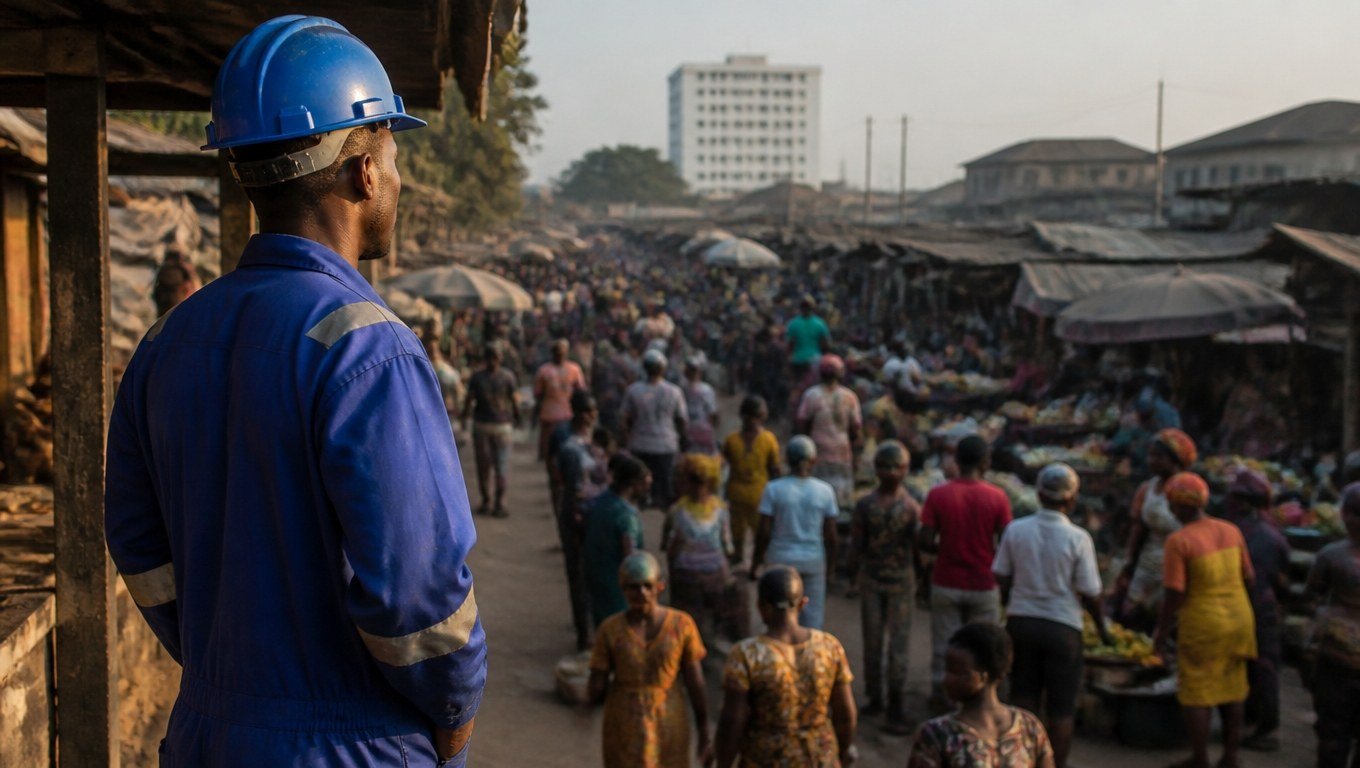
The man who negotiates for Nigeria’s workers has poured cold water on the most eye-catching salary idea in circulation. Nigeria Labour Congress President Joe Ajaero said on Thursday that a ₦1,000,000 minimum wage — a figure debated loudly on social media — would collapse the Nigerian economy, arguing that the real fight is not the number on the payslip but what that number can buy.
What Ajaero Actually Said
Speaking on Channels Television, the labour leader confirmed that the NLC and the Federal Government remain in talks over a minimum wage review, but he reframed the whole debate. The priority, he insisted, is reducing the cost of living and boosting the purchasing power of the naira — and until the underlying drivers of high prices are tackled, even big numbers on paper translate into small realities at the market. His verdict on the ₦1 million proposal was blunt: “N1,000,000 minimum wage will collapse the Nigerian economy.”
The Context Behind the Comment
The remark lands at a moment of movement for workers’ wallets: the Federal Government recently approved a ₦70,000 transport allowance for workers as fuel prices and living costs keep climbing — pressure we have tracked in our reporting on how global crises are pushing pump prices higher and the widening squeeze in our 2026 cost of living breakdown.
His argument is straight economics: if wages jump without production catching up, the money simply chases the same goods — and prices follow the wages up. A million-naira minimum that the economy cannot back with productivity would quietly return every worker to the same purchasing power, only with bigger digits and a broken currency behind them.
What It Means for Your Salary This Year
Three takeaways for Nigerian workers watching this debate. First, the conversation is real — a formal minimum wage review is on the table, and union pressure plus the transport allowance show concessions can be won. Second, the honest gains may come as tax breaks, allowances and transport support rather than headline salary jumps, so learn where the money hides — our smart money guide for 2026 shows how to make every layer count. Third, the strongest salary negotiation remains employability itself: skills that earn in competitive markets, remote or local, as our guide to making money online in Nigeria lays out. And keep an eye on the macro backdrop — a naira that slides against the dollar can eat a pay rise before the alert lands.
Final Word
Ajaero has picked his battle: purchasing power over pay-percentage. Whether government follows that logic or chases the big number will shape every salary conversation in Nigeria through 2027 — and the workers he speaks for will feel the answer at the fuel pump and the market stall long before it reaches any gazette.