

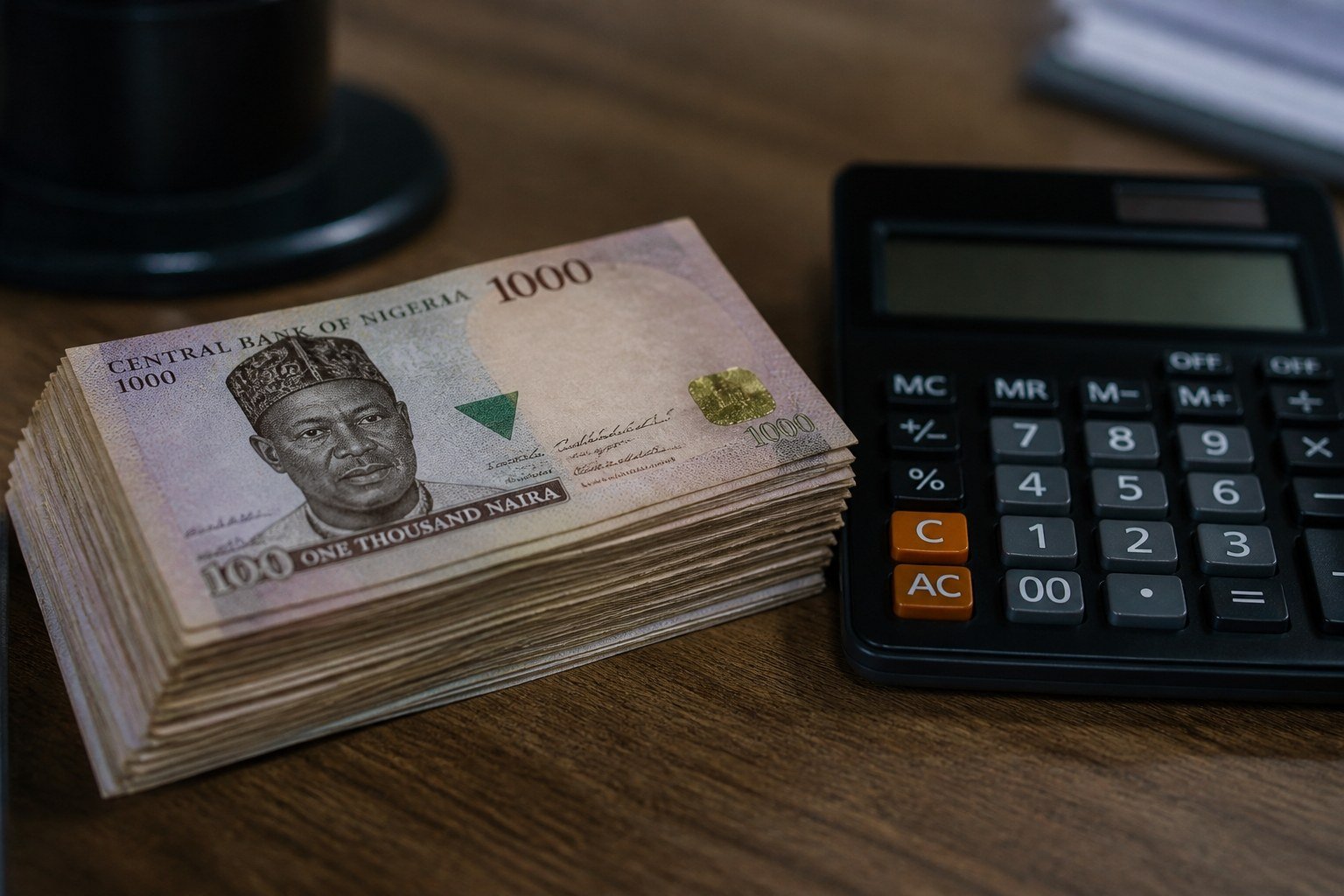
Here is the puzzle on every trader’s lips this weekend: Nigeria’s foreign reserves are above 55 billion dollars, yet the naira just had its worst two-day stretch in weeks. Central Bank data put the official rate at ₦1,361.84 per dollar on Friday, down from ₦1,334.72 on Wednesday — a loss of ₦27.12, or just over two per cent, in two sessions.
The Numbers Behind the Headline
At the official window, the week told one story: steady on Wednesday, then a sharp slide through Thursday and Friday that wiped out the gains of recent weeks. The parallel market moved in sympathy, with Bureau de Change operators quoting ₦1,375 per dollar — a five-naira weakening — confirming that the pressure is broad, not a quirk of one market.
| Market | Before | Now | Move |
|---|---|---|---|
| Official (CBN) | ₦1,334.72 | ₦1,361.84 | −₦27.12 (−2.03%) |
| Parallel (BDC) | ₦1,370 | ₦1,375 | −₦5 |
So Why Is the Naira Sliding With Reserves This High?
External reserves stood at $55.16 billion as of October 22 — comfortably strong by recent standards, which is exactly what makes the slide feel counter-intuitive. Reserves are the war chest a central bank uses to smooth supply; they do not force the rate in any direction on a given day. What moves the market week to week is the mix of end-user dollar demand, the flow of FX from oil and non-oil exporters, and the market’s own expectations. When importers and other buyers chase dollars faster than supply lands, the rate gives way — reserves or not.
The gap between official and parallel rates has stayed narrow in recent months, and a two-naira-to-five-naira spread is tame by historical standards. The risk to watch is not today’s spread but the direction: if the official slide continues, the parallel market tends to price in more.
What It Means for Your Pocket
For families, a weaker naira shows up slowly — in the price of imported goods, in transport costs tied to fuel, in the cost of that “small” imported supplement or gadget. Businesses that price in dollars feel it immediately. Our tracking of how global pressures are pushing pump prices higher shows the transmission line from FX to fuel to food, and the 2026 cost of living picture is directly exposed to this week’s move.
For savers and investors, the lesson of the week is balance: dollar assets hedge currency risk, but naira instruments — from the Dangote Refinery IPO open to retail investors to money-market options — carry yields that partially offset depreciation. Our guide to smart money moves for Nigerians breaks down how to mix both without panic.
What to Watch This Week
Three signals matter more than the headline number: whether the CBN steps up dollar sales to calm the market, whether Friday’s rate holds or extends into the new week, and whether reserves keep climbing — because the trend there is still the strongest card in the government’s hand. For a week that started with stability, the naira’s Friday close was a sharp reminder that FX markets in an election-approaching economy rarely sit still.