

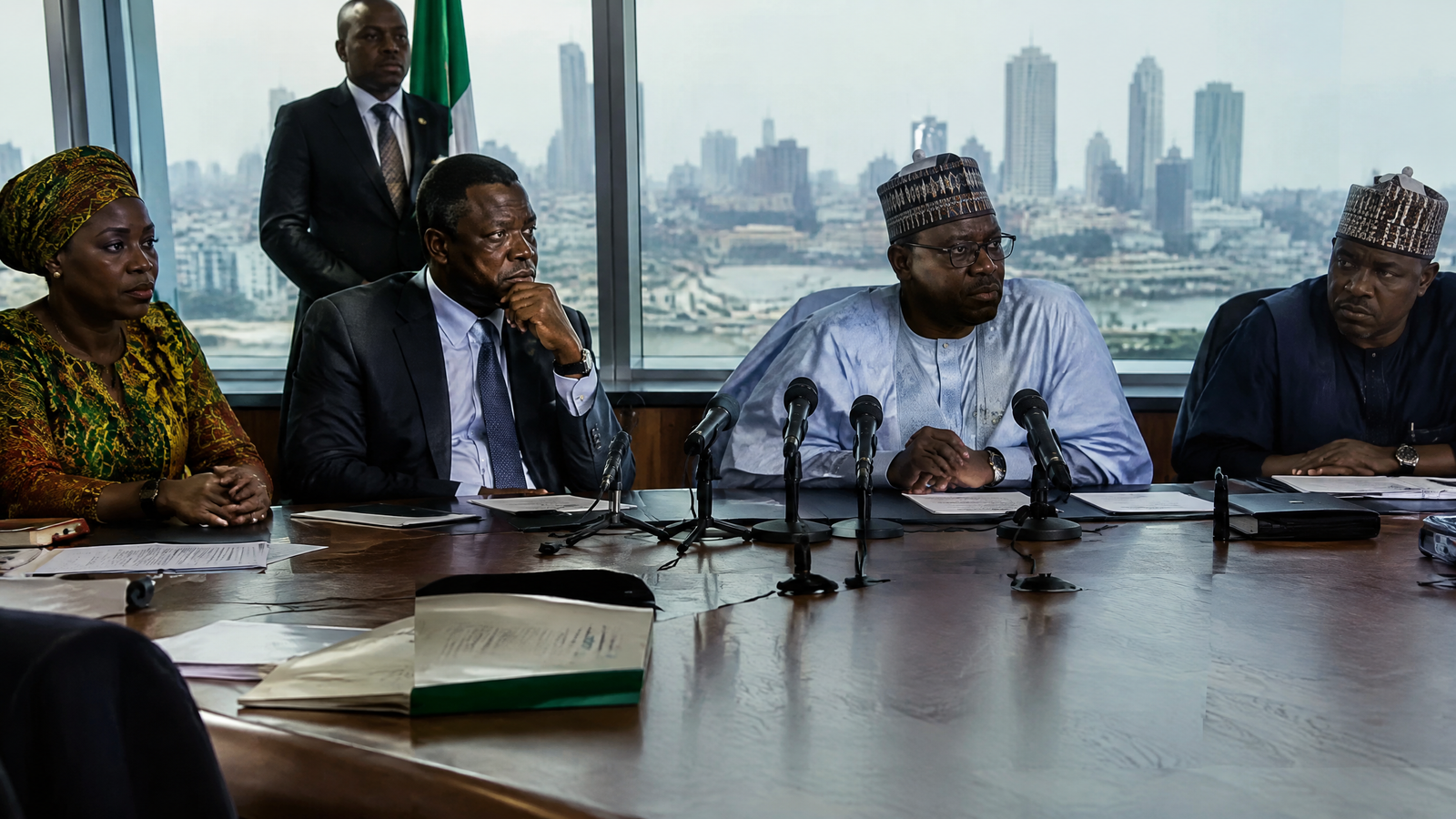
Concerns about Nigeria’s civic space have returned to the centre of public debate, with rights advocates warning that legal and security institutions must not become tools for silencing peaceful criticism. The argument covers more than any single case: it asks whether citizens, journalists and civil society groups can challenge government decisions without intimidation.
Why due process is central
A functioning democracy depends on clear rules for arrest, detention, investigation and prosecution. When those rules are applied inconsistently, public confidence suffers. Even where authorities say they are pursuing legitimate security objectives, citizens need access to transparent procedures and meaningful judicial oversight.
Pressure can take many forms
Restrictions on civic participation do not always arrive as an outright ban. They can emerge through prolonged detention, surveillance, defamation claims, expensive litigation or threats that make peaceful organising feel dangerous. The cumulative effect may be to discourage people from asking questions or reporting abuse.
Institutions face a credibility test
Security agencies, prosecutors and courts each have different responsibilities, but all are judged by the same public standard: whether power is exercised lawfully and fairly. Strong institutions should be able to investigate genuine offences while protecting the right to dissent, organise and criticise public officials.
The debate also places a responsibility on activists and media organisations to verify claims, respect due process and avoid inflaming tensions. Accountability is strongest when it is supported by evidence, open hearings and remedies that ordinary citizens can understand.
Related reading
- Why political disputes need institutional guardrails
- The changing shape of opposition politics
- The role of evidence in political arguments
Conclusion: Protecting civic space is not a favour to critics; it is a safeguard for every Nigerian who may one day need to question power or seek justice.