
The reopening of schools for the 2026/2027 academic session has renewed a difficult national question: can children and teachers return to classrooms without exposing them to attacks, abduction and prolonged disruption?
The scale of the warning
Recent education-security assessments recorded thousands of attacks on learning environments globally, affecting students, teachers and other education personnel. Nigeria’s experience is especially painful because school raids and abductions have repeatedly turned places of learning into targets.
Some communities are still paying the price
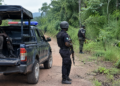
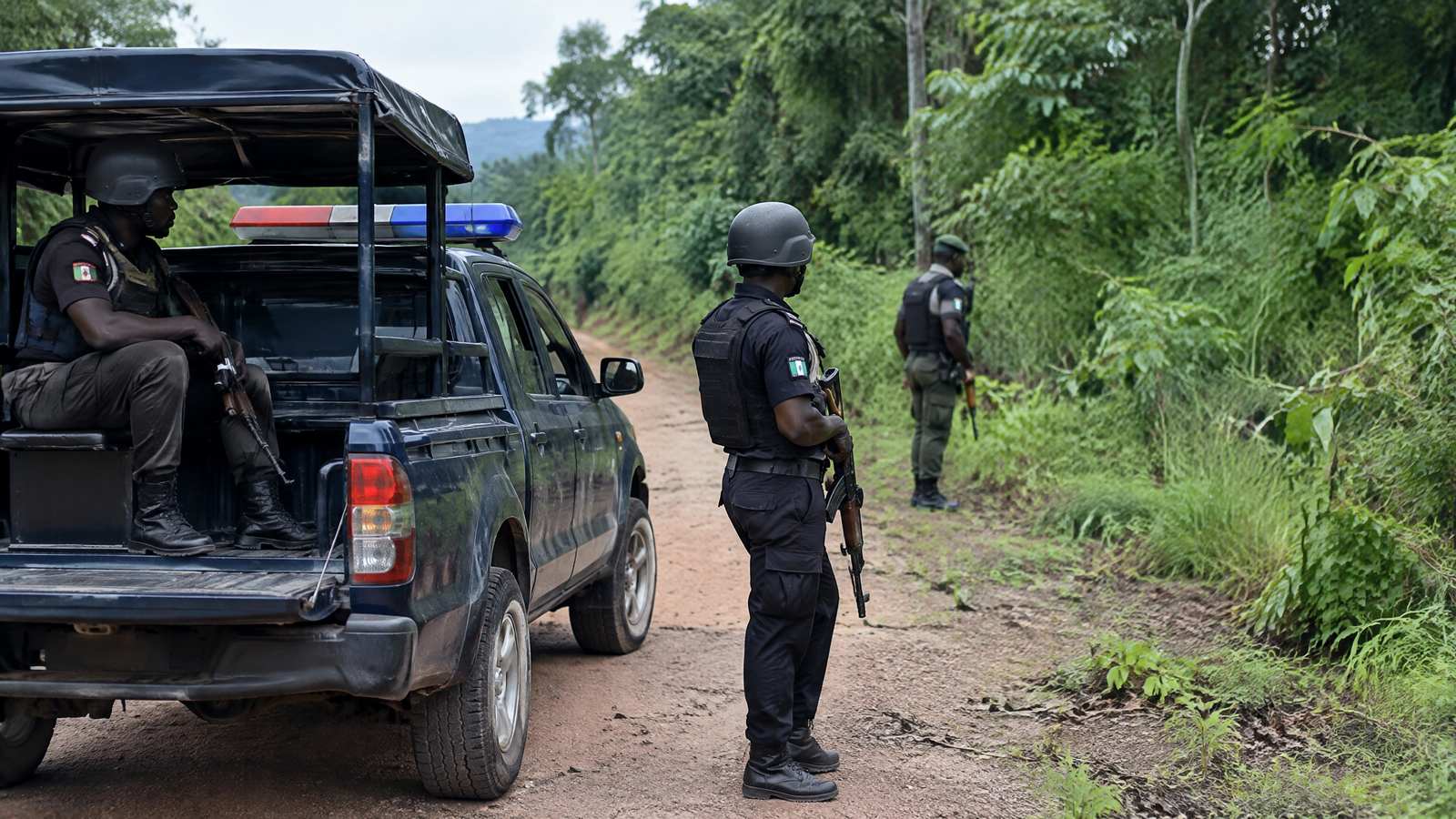
In parts of Borno State, many primary schools have not reopened or are operating below capacity. Dozens of pupils abducted during attacks earlier in the year were also still being accounted for. Such conditions damage attendance, teacher recruitment and parents’ confidence in the education system.
Why policies need implementation
Nigeria has endorsed safe-school commitments and developed policies aimed at violence-free learning environments. The gap is implementation: vulnerable schools need physical protection, intelligence-led surveillance, emergency communication and rapid response that work in practice.
Boarding schools in high-risk areas require controlled access, rehearsed evacuation procedures and reliable links to nearby security formations. Communities should also be included in local protection arrangements because residents are often the first to notice threats.
Education is part of national security
Every school closure deprives children of learning and can deepen displacement, poverty and recruitment risks. Protecting education should therefore be treated as a national-security priority, not as a responsibility that belongs to school administrators alone.
Conclusion
Parents should not have to choose between education and safety. A credible school-protection system would combine budgets, intelligence, community trust and rapid intervention so that classrooms can remain places of learning rather than fear.
See more on community security responses, rights and public institutions and education access.