Nigeria’s Debt Crisis: Kwankwasiyya Raises Alarm, Points Fingers at FG & NASS
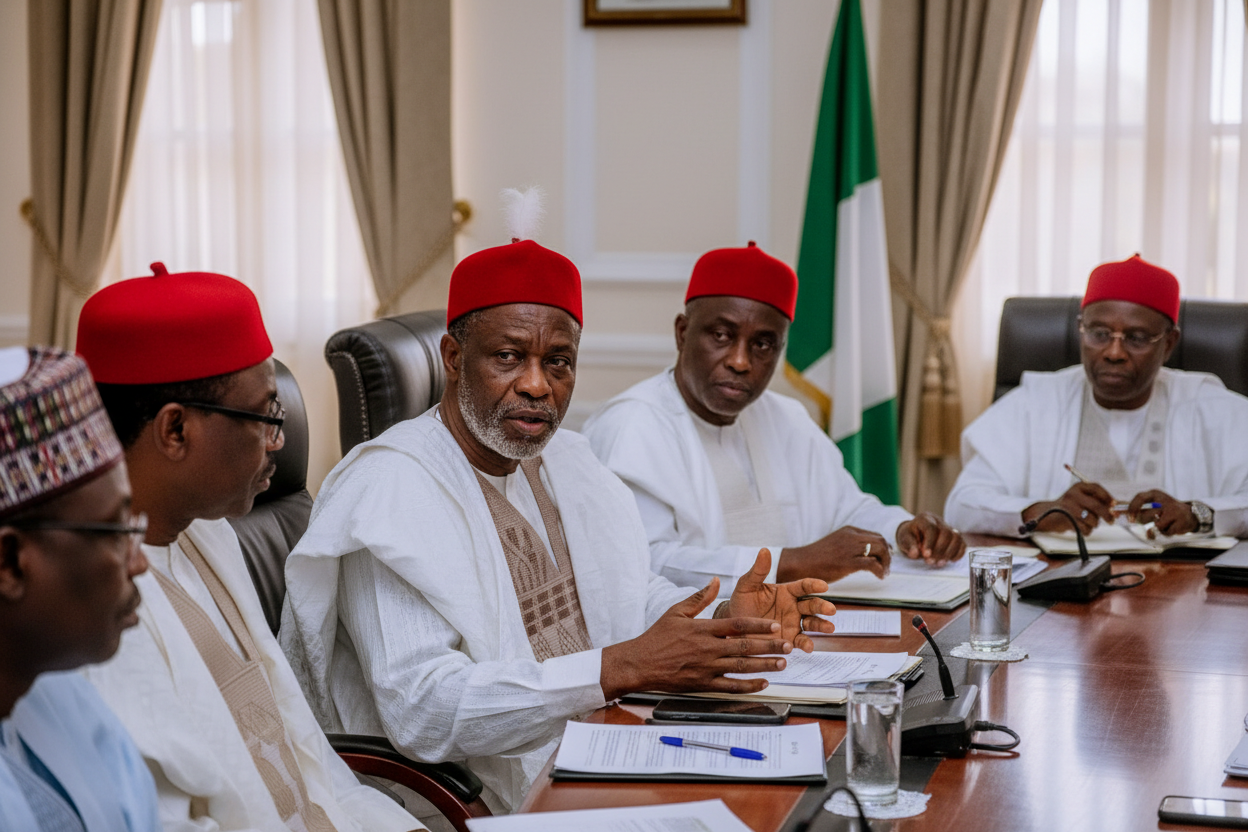
Ah, Naija! A land of vibrant culture, resilient people, and unfortunately, a growing mountain of debt. It seems almost every other day, we hear whispers, sometimes even shouts, about the state of our nation’s finances. This time, the respected Kwankwasiyya Movement has stepped forward, not with whispers, but with a full-blown alarm bell, warning us all about Nigeria’s escalating debt burden.
more news from Nigeria more news from Nigeria more news from Nigeria
For those who might not know, the Kwankwasiyya Movement, a political and social group with significant influence, particularly in the northern parts of Nigeria, has never shied away from speaking truth to power. Their recent pronouncements are no different, and they’ve got some serious concerns about how our beloved country is managing its money.
The Alarming Rise of Nigeria’s Debt
According to the Kwankwasiyya Movement, Nigeria’s debt portfolio is swelling at an alarming rate. They’re not just talking about a little extra borrowing here and there; they’re painting a picture of reckless accumulation that could spell trouble for generations to come. Imagine your children and grandchildren inheriting a massive bill – that’s essentially the future they’re warning us about if this trend continues.
It’s a concern that resonates with many Nigerians who watch anxiously as the national debt figures climb higher and higher. While borrowing can be a tool for development, especially for a developing nation like ours, the Kwankwasiyya Movement is questioning the judiciousness of these loans and, more importantly, their impact on our future economic stability. You can read more on Nigerian politics and economic issues on our platform.
Pointing Fingers: Federal Government and National Assembly Under Fire
So, who exactly is to blame for this brewing crisis, according to the Kwankwasiyya Movement? Their crosshairs are firmly set on two key players: the Federal Government and the National Assembly.
The Federal Government: Accused of Reckless Borrowing
The Kwankwasiyya Movement hasn’t minced words, accusing the Federal Government of what they term ‘reckless borrowing’. This isn’t just about taking loans; it’s about the perceived lack of transparency, the purpose of these loans, and ultimately, their sustainability. Are these loans truly being used for projects that will generate revenue and pay themselves back, or are they simply adding to an already heavy load?
This accusation brings to mind past debates about the allocation of funds and the effectiveness of various government projects. It’s a critical question: how are these borrowed funds impacting the average Nigerian? For a deeper dive into financial accountability, explore our articles on public finance management in Nigeria.
National Assembly: Failing in Oversight Responsibilities?
But the Federal Government isn’t the only one in the hot seat. The National Assembly, constitutionally tasked with providing checks and balances, is also being heavily criticized. The Kwankwasiyya Movement believes the NASS has failed in its oversight responsibilities, effectively giving the executive arm a free pass on its borrowing sprees.
The role of the National Assembly is crucial in ensuring fiscal responsibility. When they fail to adequately scrutinize borrowing plans and expenditures, it creates a dangerous vacuum. This lack of robust oversight can lead to situations where national interests are compromised for short-term gains. Many believe that a stronger, more independent National Assembly is vital for Nigeria’s democratic health. We often cover such topics in our section on Nigerian governance and accountability.
The Looming Threat to Future Generations
The most chilling part of the Kwankwasiyya Movement’s warning is the potential impact on future generations. They argue that the current debt burden is becoming ‘unsustainable’. What does this mean in practical terms? It could mean less money for essential services like education, healthcare, and infrastructure down the line. It could also mean higher taxes, increased inflation, and a generally tougher economic environment for our children and their children.
This isn’t just an economic issue; it’s a moral one. Are we, as a nation, making decisions today that will mortgage the future of those yet unborn? It’s a question that demands serious reflection from all stakeholders, from policymakers to every Nigerian citizen.
Conclusion: A Call for Urgent Action
The Kwankwasiyya Movement’s warning is a stark reminder that Nigeria’s debt situation is not just a statistical anomaly; it’s a pressing issue with far-reaching consequences. Their call for accountability from both the Federal Government and the National Assembly highlights the urgent need for a more prudent and transparent approach to national borrowing.
As Nigerians, we must continue to pay attention to these critical national conversations. Our collective future depends on how we address these challenges today. It’s time for serious introspection, robust debate, and, most importantly, decisive action to secure a sustainable economic future for Nigeria.