

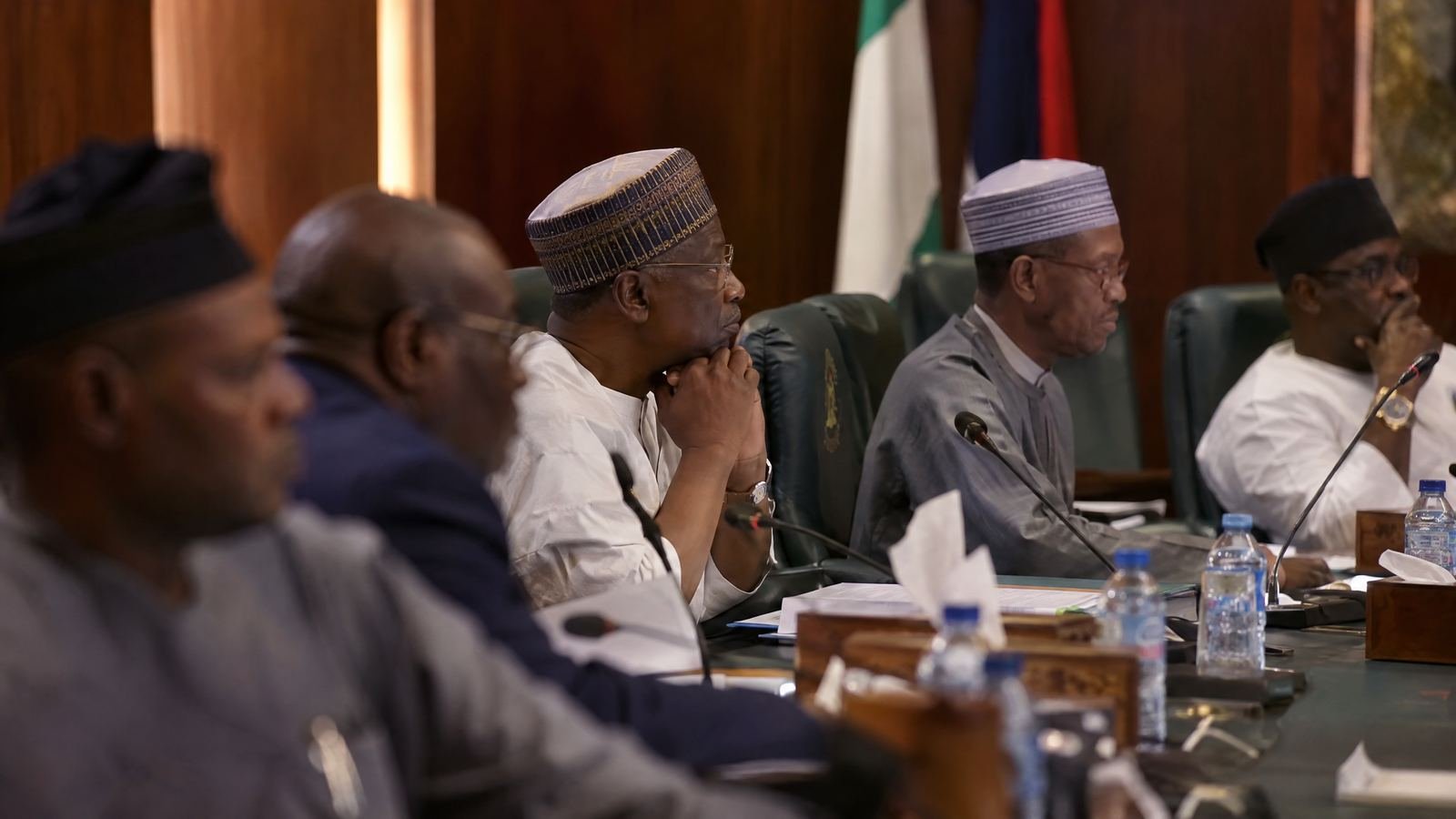
Nyesom Wike has identified three APC governors he says are opposed to his Rainbow Coalition ahead of the 2027 general elections. The FCT Minister named Hope Uzodimma of Imo, AbdulRahman AbdulRazaq of Kwara and Dapo Abiodun of Ogun during a television interview.
The governors named
Wike said the three governors were the main APC figures creating difficulties for his political activities. He contrasted them with governors from several other states whom he said had no problem with the coalition’s efforts to mobilise support across party lines.
The coalition is associated with Wike’s support for President Bola Tinubu’s re-election and is intended to attract backing beyond the APC. Its cross-party character has made it both a potential source of strength and a point of friction with party leaders who want a unified campaign structure.
Why the disagreement matters
Governors control important political machinery in their states, including local networks and campaign structures. A disagreement between state executives and a national minister can therefore affect coordination, messaging and negotiations long before the formal campaign period begins.
The latest remarks build on the wider realignment among Nigerian political parties. As more groups position themselves, alliances may change according to local interests, candidate calculations and the demands of the presidential contest.
Pressure on party unity
The dispute also raises questions about how the APC will balance internal discipline with support from figures who operate across party boundaries. A campaign can benefit from a broad coalition, but it must still maintain clear lines of authority and accountability.
For Wike, naming the governors publicly may be a way to define the political fault lines and rally supporters. For the governors, the response may determine whether the disagreement is contained or becomes a larger party confrontation.
What to expect
Further negotiations are likely as the 2027 calendar advances. Governors who are seen as neutral today could become more active later, while the coalition may seek additional endorsements in states where local political interests align with its goals.
Conclusion
Wike’s list of three governors makes the internal contest over the Rainbow Coalition more visible. Whether the disagreement produces compromise or a sustained split will shape the tone of the governing alliance as the next election approaches.