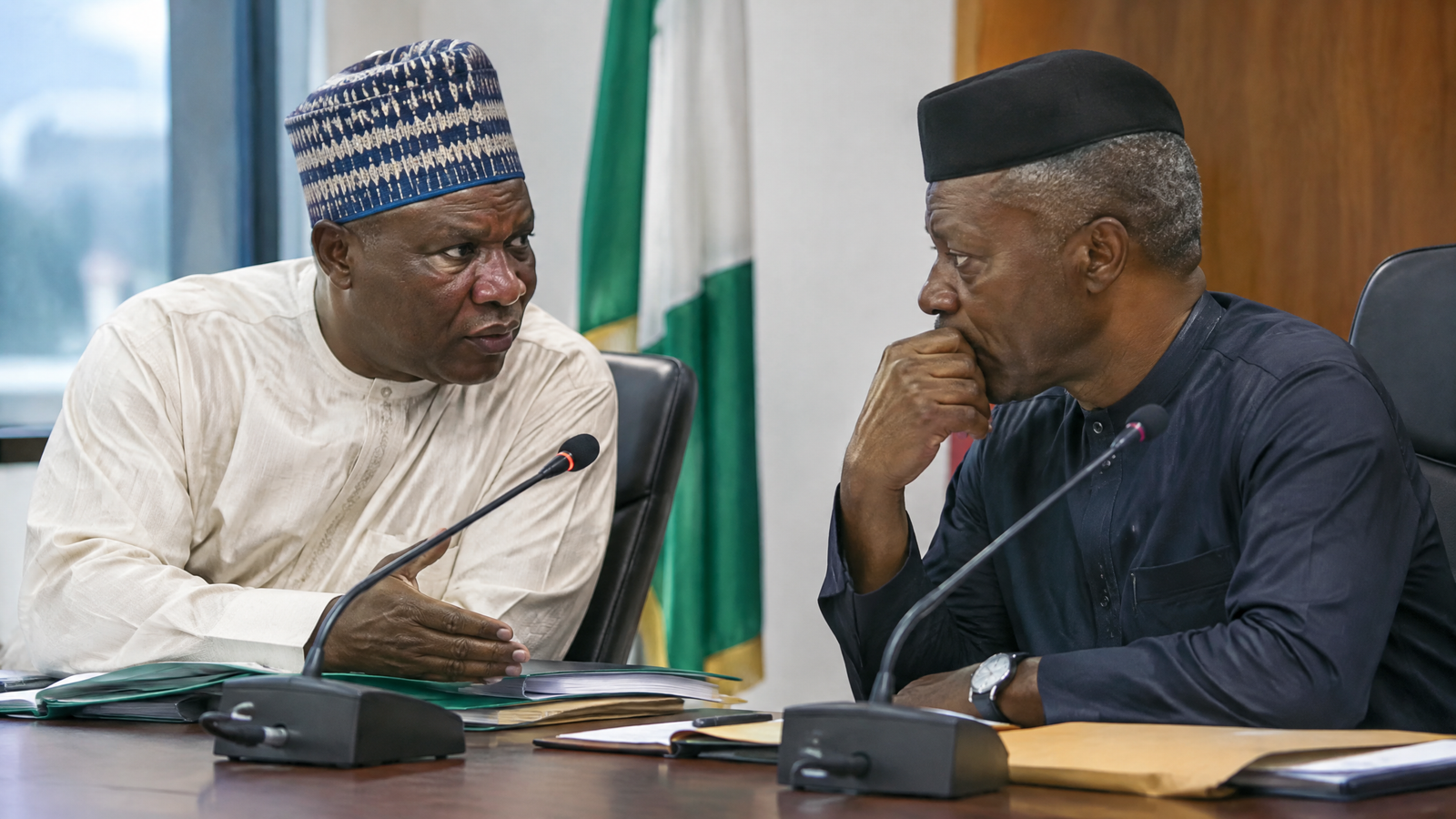
As Nigeria moves toward the 2027 presidential election, a familiar political argument is taking a new shape: how should the country establish that candidates are medically capable of carrying the responsibilities of the office without turning health information into campaign ammunition?
Capacity is different from stigma
The emerging argument is not about age, disability or judging people by appearances. It is about whether a president can continuously and effectively perform constitutional duties, including national-security, foreign-policy and executive responsibilities.
What the constitutional framework already recognises
Nigeria’s Constitution addresses situations in which a sitting president or vice-president becomes permanently incapable of performing official functions. That recognition has encouraged calls for a credible, impartial process before voters make their decision, rather than waiting for a crisis after an election.
A uniform standard would matter
Any assessment would need to apply equally to every presidential candidate. A process focused on one individual would quickly be dismissed as political targeting. A multidisciplinary panel led by recognised medical professionals could establish clear standards, certify fitness and protect confidential clinical information.
Such a system would also discourage politicians and online commentators from making diagnoses based on photographs, speeches or short videos. Medical fitness should be determined by qualified professionals, not by partisan speculation.
Why the issue has national-security implications
The presidency concentrates responsibility for the armed forces, emergency decisions and the direction of the Federal Government. A prolonged absence or undisclosed incapacity could therefore affect public confidence and the continuity of government. That is why transparency, handled with restraint, is more useful than rumours.
Balancing privacy with public confidence
There is no need for a candidate to publish every medical detail. The public interest can be served by an independent certification that answers the central question of fitness, while a professional code protects private diagnoses and treatment information.
Conclusion
Nigeria’s 2027 conversation should focus on a standard that is fair, professional and applicable to all. A transparent fitness framework would protect both voters’ confidence and candidates’ dignity.
For more political context, see the latest debate around Peter Obi, election-climate concerns and party realignments.