

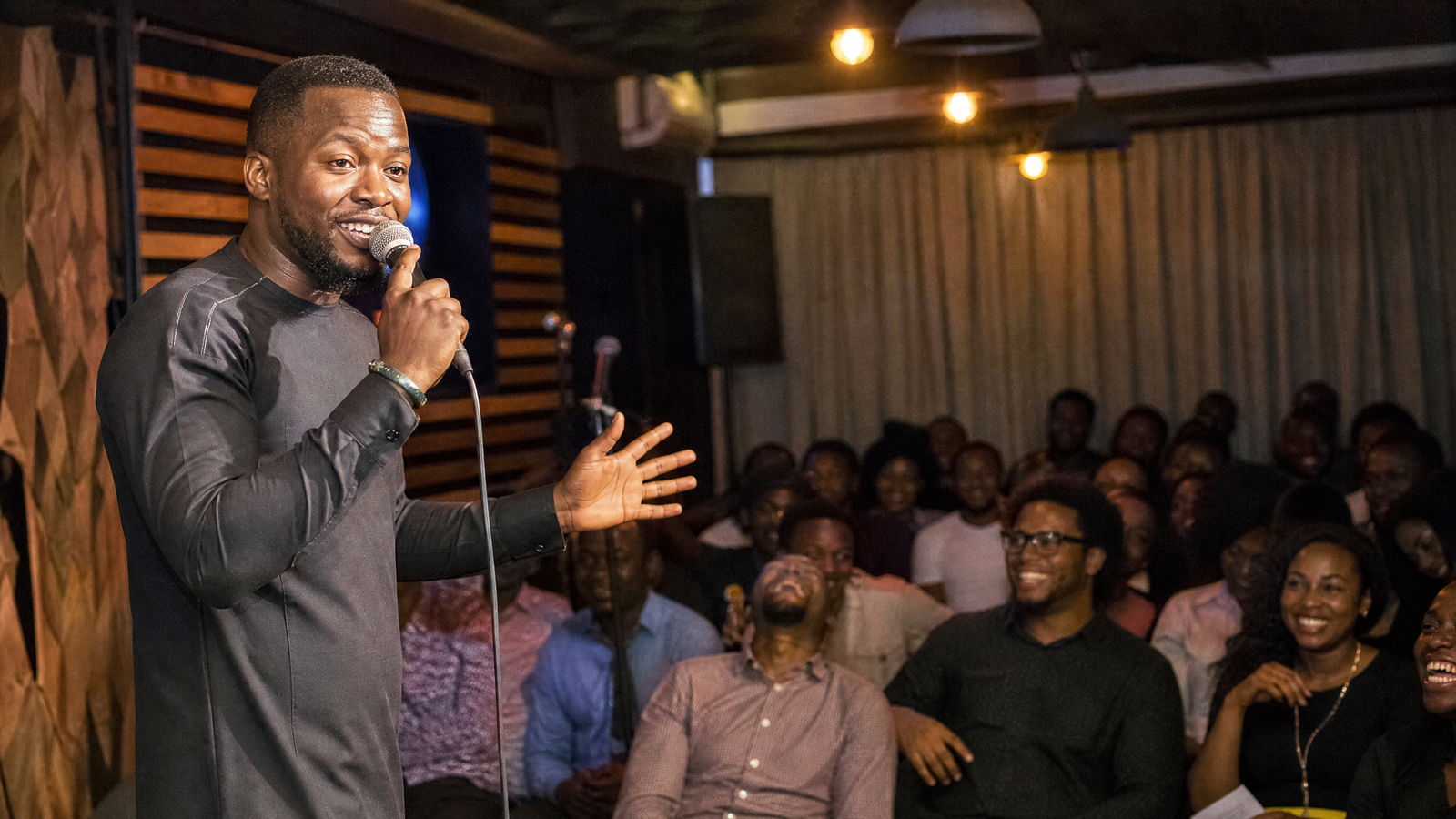
Nigerian comedy has always had room for the absurd, the exaggerated and the deliberately unserious. But social media has made every performance more visible, and comedian Josh Alfred, popularly known as Josh2Funny, says that change has also made public criticism harsher.
His argument about “Olodo” content
Speaking during a recent conversation with media personality Nedu Wazobia, Josh2Funny weighed in on the debate surrounding so-called “Olodo” content creators. The conversation followed criticism from rapper YCee, who used the phrase to describe a trend he believes celebrates shallow online content.
Josh2Funny’s response was not a simple dismissal of the criticism. He described the movement as both a blessing and a curse, arguing that comedy does not always need to sound polished or intellectual before it can connect with a large audience.
From Mama Felicia to a wider industry
The comedian pointed to his own early work as an example. His Mama Felicia character was intentionally chaotic and did not depend on carefully structured dialogue. That style, however, helped him build a recognizable identity and reach people who wanted an easy laugh.
His wider point is that Nigerian entertainment has often grown from ideas that traditional gatekeepers might have rejected. The same public that mocks an unusual skit can also turn a memorable character into a commercial success within a short time.
Visibility has changed the criticism
According to Josh2Funny, social media has intensified the conversation because creators are now constantly exposed to public judgment. In the pre-social media era, a performer might entertain a local audience without becoming a national talking point. Today, a single clip can travel across the country in minutes.
That visibility creates opportunity, but it also removes privacy and context. Naira.blog’s entertainment coverage, music stories and Nollywood updates examine how Nigerian creators are shaping the culture around them.
Conclusion
The debate is unlikely to end soon. For Josh2Funny, the bigger lesson is that comedy can come from unexpected places, and audiences—not only critics—ultimately decide which characters and ideas survive.