

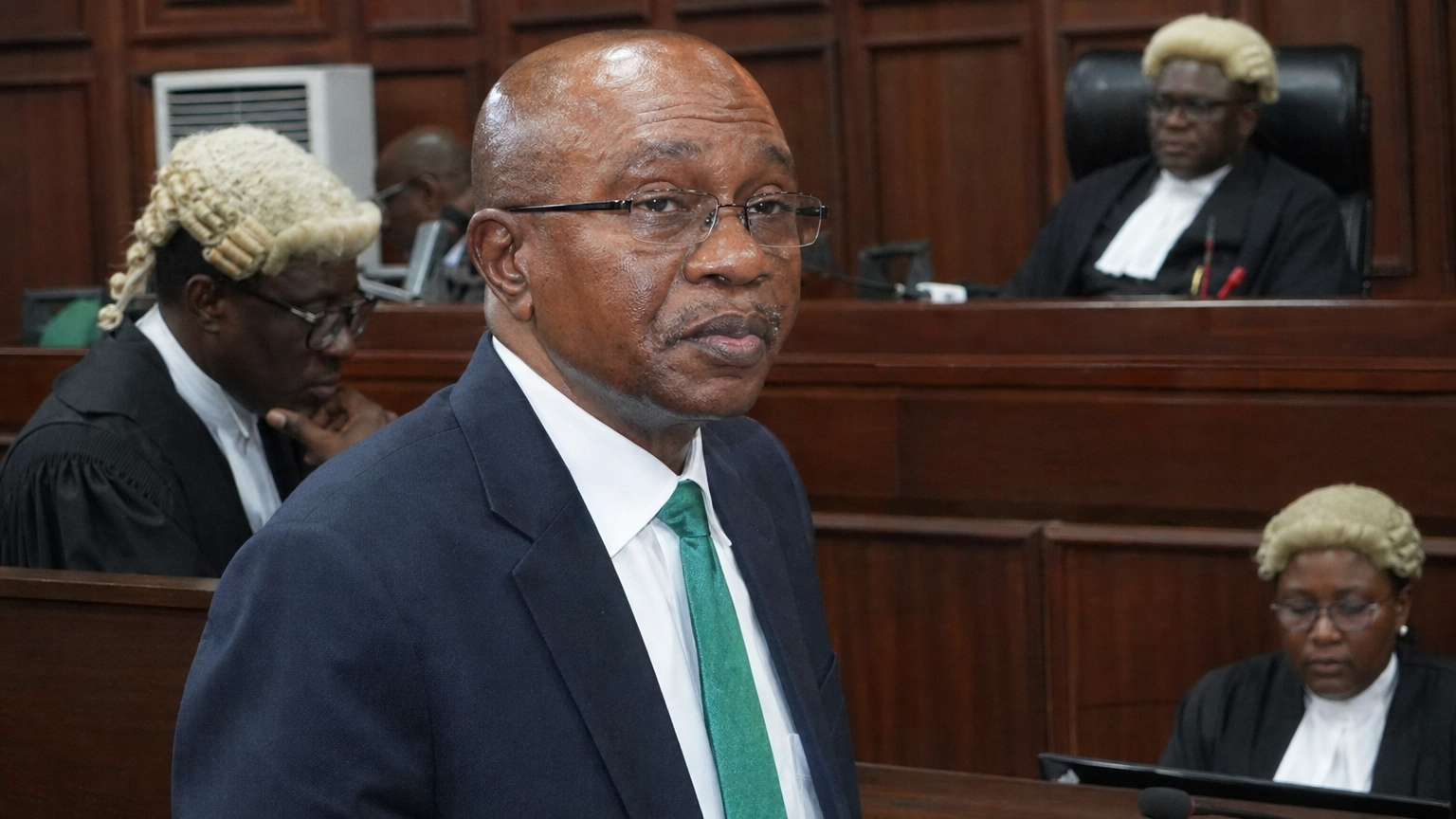
A Web of Deceit: The $6.23 Million CBN Withdrawal
The trial of Godwin Emefiele, the former Governor of the Central Bank of Nigeria (CBN), continues to captivate the nation with its unfolding revelations. At the heart of the latest proceedings is a staggering allegation: the fraudulent withdrawal of $6.23 million from the CBN, purportedly for payments to foreign observers of the 2023 general elections. What makes this case particularly egregious is the testimony of a key witness, former Secretary to the Government of the Federation (SGF), Boss Mustapha, who asserted that his and former President Muhammadu Buhari’s signatures were forged to facilitate the illicit transaction.
Mustapha, appearing as a witness for the Economic and Financial Crimes Commission (EFCC), detailed how the forged documents were used to siphon off public funds. This testimony paints a grim picture of a sophisticated scheme designed to defraud the nation, raising serious questions about accountability and oversight within critical government institutions.
Forensic Evidence Confirms Elaborate Forgery
The prosecution’s case has been bolstered by forensic experts who have meticulously examined the documents in question. Their findings reportedly confirm the extensive forgery of the signatures, providing crucial evidence that corroborates Mustapha’s claims. This expert testimony is pivotal, as it moves the case beyond mere allegations into the realm of scientifically verifiable facts. The sheer audacity of forging the signatures of the nation’s highest office holders has sent shockwaves through the public, highlighting a brazen disregard for due process and the rule of law.
This scandal not only implicates high-ranking officials but also casts a shadow over the integrity of the electoral process, given the alleged purpose of the funds. The trial is seen by many as a litmus test for Nigeria’s commitment to combating corruption and ensuring that justice is served, regardless of the status of those involved.
Implications for Governance and Public Trust
The Emefiele trial, particularly the forgery aspect, has profound implications for governance and public trust in Nigeria. It underscores the urgent need for robust internal controls and stringent verification processes within government agencies to prevent such illicit activities. The public is keenly watching to see how the judiciary handles this high-profile case, as its outcome could either reinforce faith in the justice system or deepen cynicism regarding the fight against corruption.
As the trial progresses, more details are expected to emerge, further illuminating the mechanisms of corruption that have plagued the nation. The hope is that this process will lead to lasting reforms and a renewed commitment to transparency and accountability in public service.
Conclusion
The $6.23 million forgery scandal unearthed during the Emefiele trial is a stark reminder of the persistent challenges Nigeria faces in its battle against corruption. The alleged forging of presidential and SGF signatures represents a grave breach of trust and a direct assault on the nation’s financial integrity. As the legal proceedings continue, all eyes remain on the courts, anticipating a resolution that will uphold justice and deter future acts of corruption.