

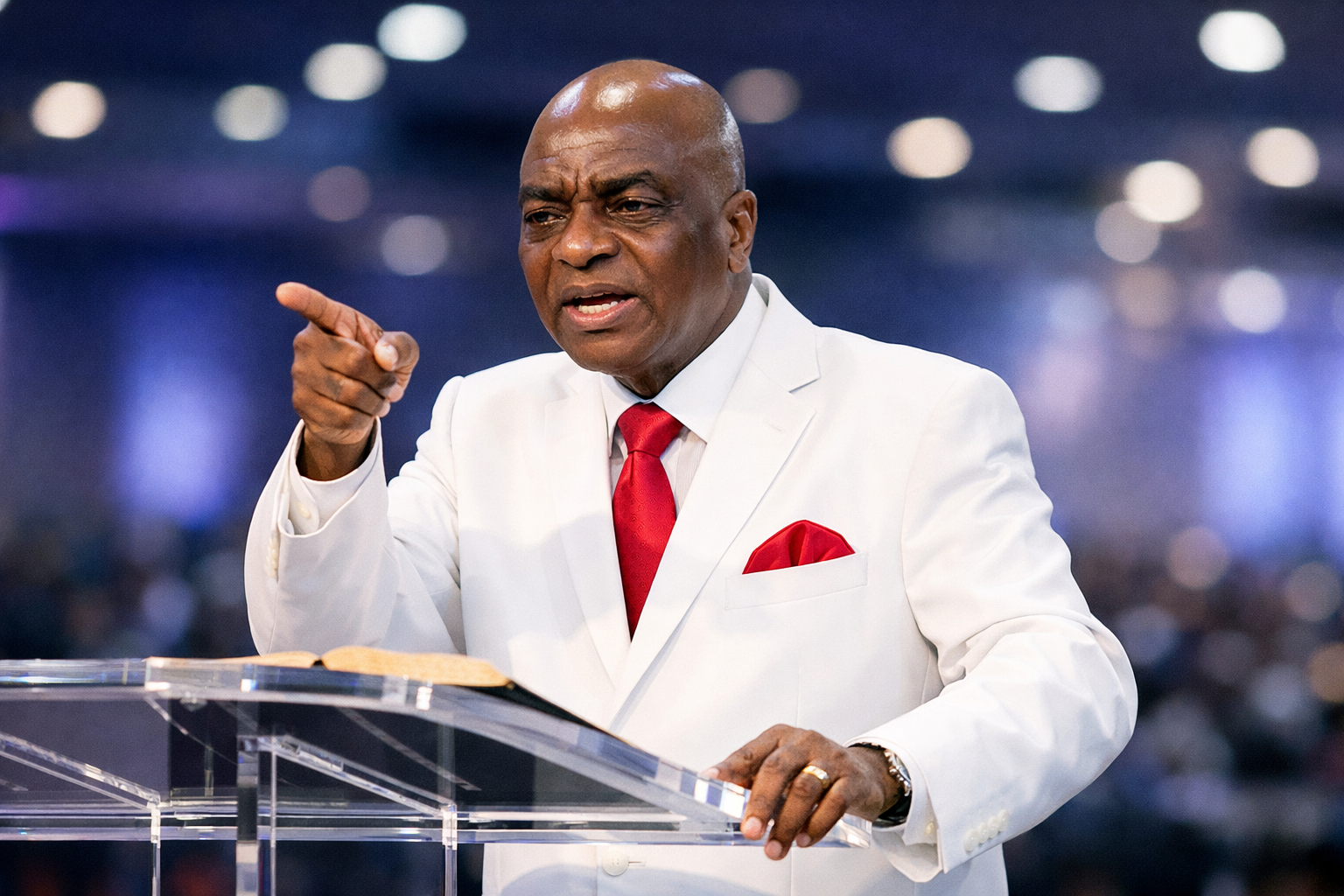
In a fervent address that has resonated across Nigeria, Bishop David Oyedepo, the esteemed founder of Living Faith Church Worldwide, delivered a potent message of divine intervention against the escalating menace of banditry and kidnapping. Speaking at a special Sunday service themed “Covenant Day of Vengeance” at the church’s headquarters in Ota, Ogun State, Oyedepo issued a stark seven-day ultimatum, declaring that divine retribution would befall those perpetrating and sponsoring violence across the nation.
A Prophetic Declaration Against Insecurity
Bishop Oyedepo’s declaration comes amidst widespread concern over the persistent insecurity plaguing various parts of Nigeria. His words, “Except I am not sent, in the next seven days, I declare judgment upon those responsible for these disasters and their sponsors in Jesus’ name,” underscore a deep-seated frustration with the ongoing challenges and a call for supernatural intervention. The cleric emphasized that the coming week would usher in “testimonies of vengeance” for the nation, signaling an imminent divine response to the cries of the people.
The Living Faith Church, often referred to as Winners’ Chapel, has a significant following, and such pronouncements from its leader carry considerable weight among congregants and beyond. This declaration is seen by many as a spiritual offensive against the forces of instability that have held parts of Nigeria captive. For more insights into religious leaders’ roles in national issues, you can explore articles on Nigerian religious perspectives.
The Theology of Vengeance and Sanctification
Beyond the declaration of judgment, Bishop Oyedepo also delved into the theological underpinnings of his message, preaching on the pathways to sanctification. He urged his congregation to shun spiritual laxity, asserting that ungodliness acts as a barrier to supernatural breakthroughs and can tarnish one’s destiny. This aspect of his sermon highlighted the spiritual dimension he attributes to the nation’s struggles, linking societal woes to moral and spiritual failings.
His statement, “Until the God of vengeance shows up, the wicked will not give up,” encapsulates a belief that divine intervention is not merely a hope but a necessary catalyst for change when human efforts seem to falter. This perspective is common among many faith leaders who view spiritual warfare as integral to overcoming physical challenges. For a broader understanding of how faith intersects with national security, consider reading about national security discussions on our platform.
Implications for the Nation
The Bishop’s pronouncement is likely to stir various reactions across Nigeria. While many believers will embrace it as a source of hope and a sign of impending change, others may view it through a more critical lens. Nevertheless, such declarations from influential religious figures often galvanize public discourse and can influence the morale of communities grappling with insecurity. The call for divine judgment serves as a powerful reminder of the spiritual battles many Nigerians believe they are fighting alongside their physical struggles.
The emphasis on both divine judgment and personal sanctification suggests a dual approach to national healing—one that seeks external intervention while also advocating for internal moral rectitude. This holistic view is characteristic of many religious movements in Nigeria that blend spiritual teachings with social commentary. You can find more discussions on Nigerian politics and its various influences on naira.blog.
Conclusion
Bishop David Oyedepo’s declaration of a seven-day divine judgment on bandits and their sponsors marks a significant moment in Nigeria’s ongoing battle against insecurity. His message, delivered with characteristic authority, combines a prophetic call for retribution with an earnest plea for spiritual renewal among his followers. As the nation watches, the impact of this powerful pronouncement will undoubtedly contribute to the complex narrative of faith, politics, and security in Nigeria.
The coming days will reveal the immediate reactions and long-term implications of this bold declaration. Whether through spiritual awakening or tangible shifts in the security landscape, Oyedepo’s words have once again placed the role of faith leaders at the forefront of national conversations. Stay updated on the latest developments by visiting our news section.
For further reading on the intersection of religion and public life in Nigeria, explore our archives on religious leaders’ statements.