

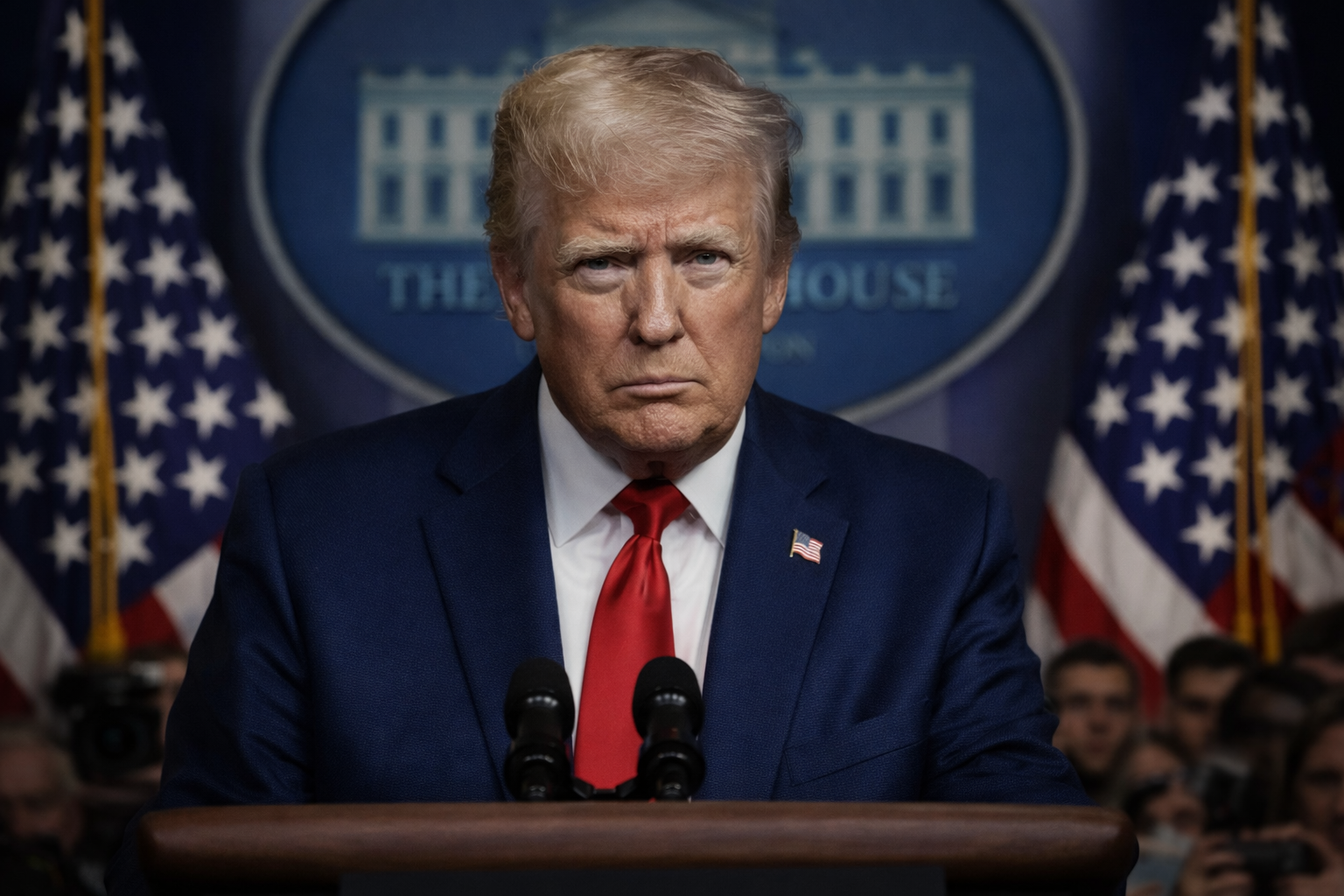
In a move that underscores the ongoing tension between the legislative and executive branches, the United States Senate has blocked a new attempt to restrict President Trump’s authority in matters of war with Iran. This marks the fourth time such a resolution has been thwarted, signaling a clear legislative standoff on critical foreign policy decisions. This situation is reminiscent of other political controversies.
The Persistent Legislative-Executive Divide
The repeated failure to pass a resolution limiting the President’s war powers highlights a deep partisan divide within the Senate. The votes have largely fallen along party lines, with a majority of Republicans consistently voting against measures that would curb the President’s ability to conduct military operations without explicit congressional approval. This ongoing debate raises fundamental questions about the balance of power in foreign policy and the extent of presidential authority in deploying military force.
Implications for US Foreign Policy in the Middle East
The Senate’s decision has significant implications for US foreign policy, particularly in the volatile Middle East. By allowing the President broad discretion in military engagements, the legislative branch effectively grants the executive more leeway in responding to perceived threats or aggressions. Critics argue that this unchecked power could lead to unintended escalations, while proponents maintain that it is necessary for swift and decisive action in complex international scenarios. The focus remains on the delicate diplomatic and military balance in the region, much like the internal dynamics of political parties.
A Precedent for Future Engagements
This series of votes sets a precedent for how future administrations might approach military interventions. The inability of Congress to assert its constitutional role in declaring war, or at least in limiting presidential actions, could embolden future presidents to act unilaterally. As the geopolitical landscape continues to shift, the legislative branch’s capacity to provide a check on executive power in military matters remains a crucial point of contention.
Conclusion
The US Senate’s repeated blocking of efforts to limit President Trump’s war powers on Iran reflects a profound and persistent disagreement over the scope of executive authority in foreign policy. This legislative standoff not only shapes the immediate approach to Iran but also has long-term implications for the balance of power within the US government and the future conduct of its international relations.