

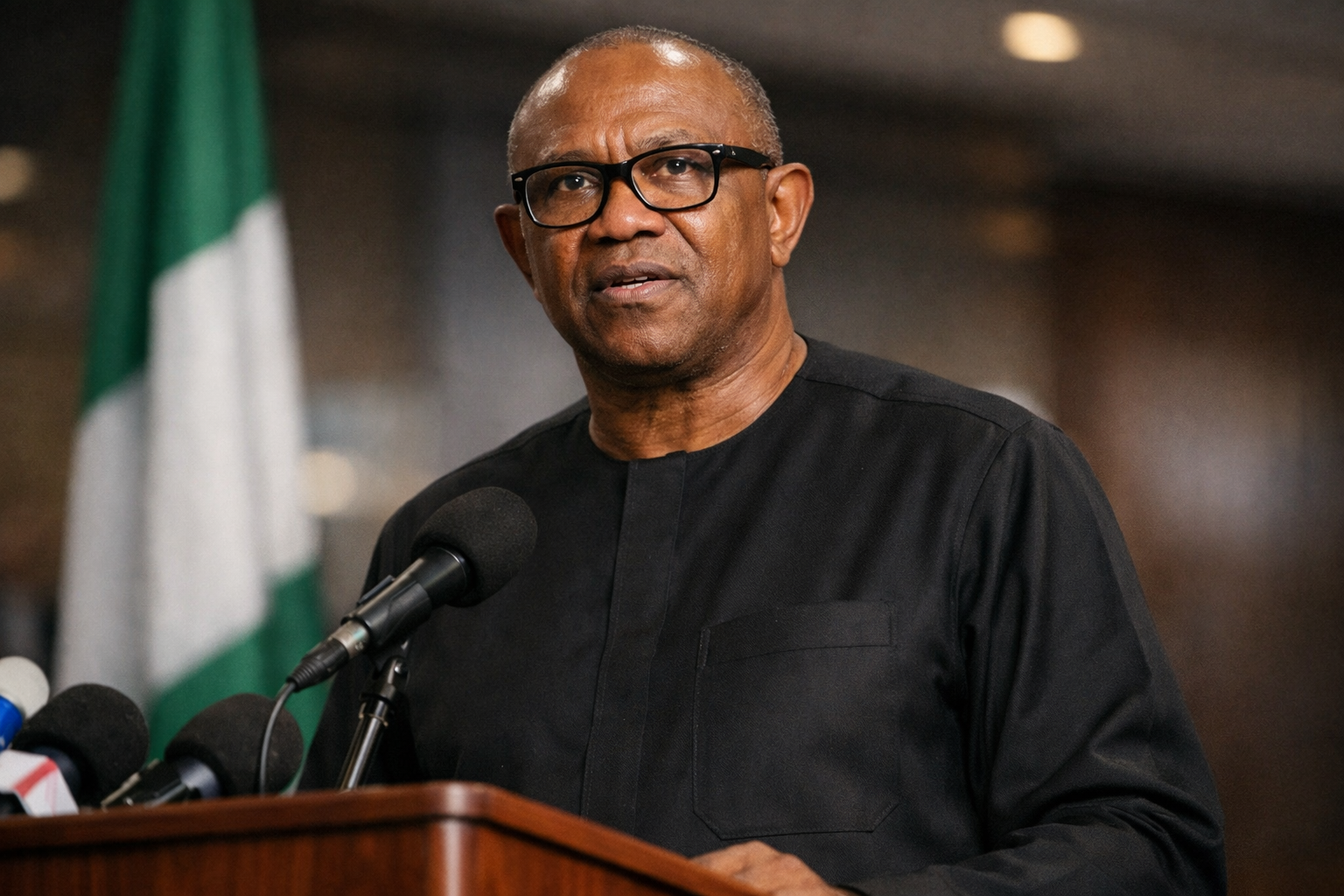
As the countdown to the 2027 general elections begins to gather momentum, the former presidential candidate of the Labour Party, Peter Obi, has sent a clear message to the Nigerian political class. In a move that has sparked intense debate across the country, Obi has signaled that his commitment to “saving Nigeria” far outweighs any traditional sense of party loyalty.
Pragmatism Over Party: The “20 Times” Declaration
Speaking on his future political trajectory, Peter Obi made a startling revelation that has left both supporters and critics talking. He stated unequivocally that he would not hesitate to change political platforms as many as twenty times if that is what it takes to achieve the vision he has for the nation. This statement marks a significant departure from the conventional Nigerian political culture, where party switching is often viewed with suspicion.
Obi’s current association with the African Democratic Congress (ADC) has been a subject of much speculation. However, his latest remarks suggest that even this alliance is not set in stone. He has reportedly threatened to dump the ADC if the party’s internal dynamics do not align with the broader movement he represents. For Obi, the goal is clear: the platform is merely a vehicle, and the destination is a transformed Nigeria.
The 2027 Landscape and the Third Force
The possibility of Obi moving again highlights the fluid nature of the “Third Force” in Nigerian politics. Having already moved from the PDP to the Labour Party, and now flirting with the ADC, Obi is positioning himself as a candidate of the people rather than a candidate of a specific party structure. This strategy aims to consolidate the “Obidient” movement under whatever banner offers the most viable path to the presidency in 2027.
Critics argue that this frequent “party-hopping” could undermine his credibility, while his supporters see it as a necessary pragmatism in a system often rigged against outsiders. As the political landscape continues to shift, all eyes will be on Obi’s next move and whether the ADC can provide the stable platform he seeks.
Conclusion
Peter Obi’s “20 times” comment is more than just a threat; it is a manifesto of his political philosophy for 2027. It challenges the status quo and forces a conversation on what truly matters in Nigerian leadership—the party or the person. As the 2027 race heats up, the fluidity of alliances will likely become the new normal in the quest for Aso Rock.