
Introduction: A New Voice for the Opposition?
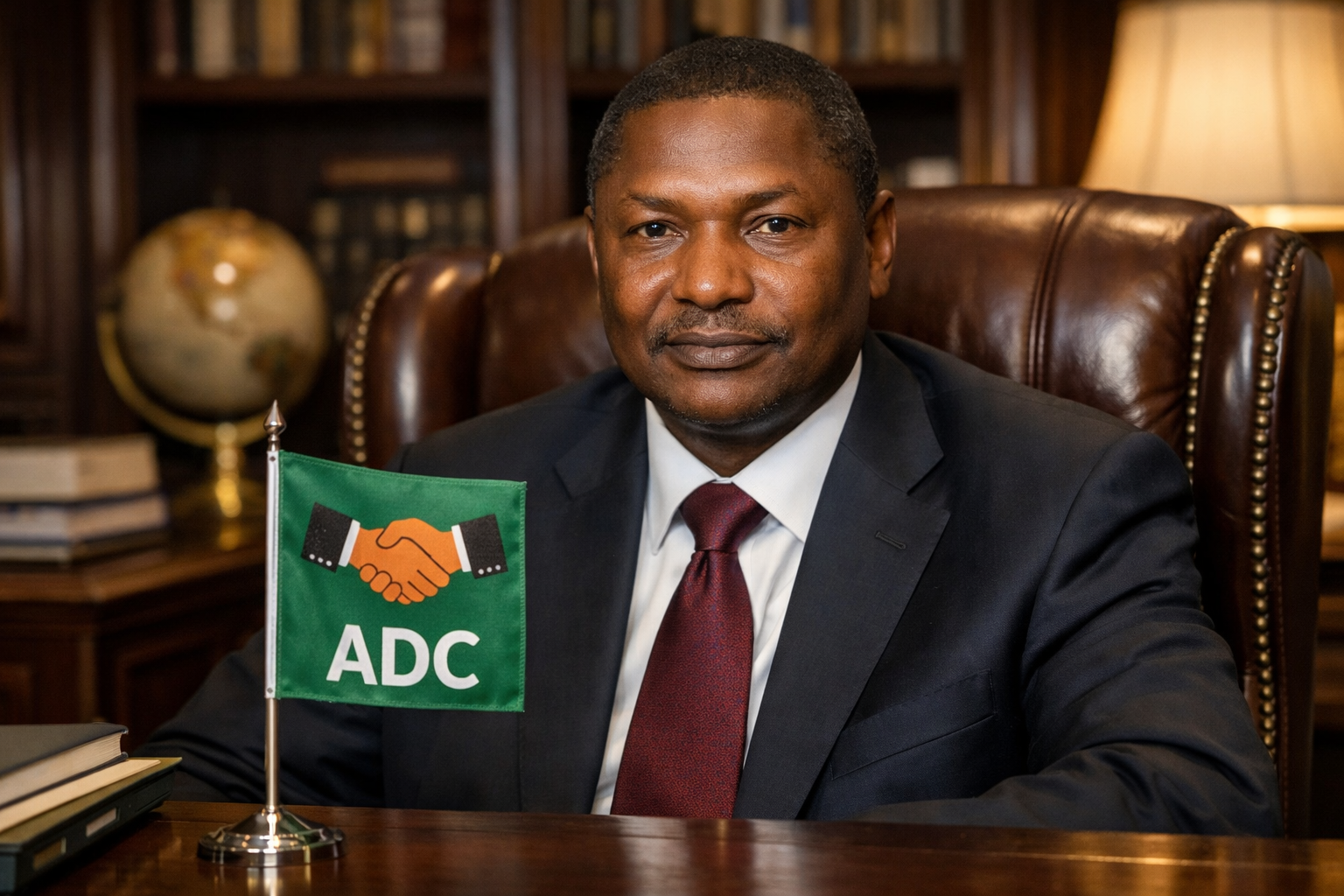
The Nigerian political landscape continues to evolve with intriguing developments as the 2027 general elections draw closer. In a significant pronouncement, former Attorney General of the Federation and Minister of Justice, Abubakar Malami, has thrown his weight behind the African Democratic Congress (ADC), describing it as a formidable platform capable of unseating the ruling All Progressives Congress (APC) and ultimately rescuing Nigeria from its current challenges.
Malami’s Endorsement: A Strategic Shift
Malami, a prominent figure in the immediate past administration, has been a key member of the APC. His recent statements, however, suggest a strategic shift in his political allegiance and a potential realignment of forces ahead of the next electoral cycle. His assertion that the ADC is a viable alternative to the APC is a strong signal that the opposition is gathering momentum and seeking to present a united front.
Reports circulating indicate that Malami has not only endorsed the ADC but has also registered with the party. Furthermore, there are suggestions that he may be aligning with Peter Obi, a leading opposition figure, in a bid to consolidate efforts to challenge the incumbent government. This move, if confirmed, could significantly alter the political dynamics and create a more competitive environment for the 2027 elections.
The Quest to “Rescue Nigeria” and Unseat the APC
Malami’s declaration is rooted in the belief that Nigeria is in need of urgent intervention and that the ADC offers the best pathway to achieving this. He emphasized the need to change the prevailing narrative that Nigeria is beyond repair, advocating for a renewed sense of hope and purposeful leadership. His vision aligns with a growing sentiment among many Nigerians who are yearning for positive change and a more responsive government.
For the ADC, Malami’s endorsement is a major boost. It brings credibility and a wealth of experience to the party, potentially attracting more high-profile individuals and strengthening its organizational structure. The challenge for the ADC will be to translate this newfound momentum into tangible electoral success, building a broad-based coalition that can effectively challenge the APC’s dominance.
Implications for the 2027 Elections
The entry of a political heavyweight like Malami into the ADC, coupled with potential alliances with other opposition figures, could significantly impact the 2027 elections. It signals a potential fragmentation of the ruling party’s support base and a strengthening of the opposition’s capacity to mobilize voters. The APC will undoubtedly be watching these developments closely and strategizing on how to counter this emerging threat.
The coming months will be crucial as political parties and aspirants finalize their plans and alliances. Malami’s move underscores the fluid and unpredictable nature of Nigerian politics, where allegiances can shift rapidly in the pursuit of power and influence. The ultimate test will be whether these realignments can translate into a credible challenge to the status quo and usher in a new era of governance.
Conclusion: A Shifting Political Landscape
Abubakar Malami’s declaration of the ADC as a formidable platform to unseat the APC and rescue Nigeria marks a significant moment in the country’s political trajectory. His endorsement, coupled with reports of his registration with the party and potential alliance with Peter Obi, signals a dynamic and evolving political landscape. As Nigeria inches closer to the 2027 elections, these developments will undoubtedly shape the narratives, strategies, and outcomes, making the next electoral cycle one to watch with keen interest.
Read Also: Political Parties in Nigeria
Read Also: Role of Attorney General in Nigeria
Read Also: Opposition Politics in Nigeria
Read Also: Peter Obi Political Movement
Read Also: Nigeria’s Political Future