

Introduction: A Fleeting Hope for Peace
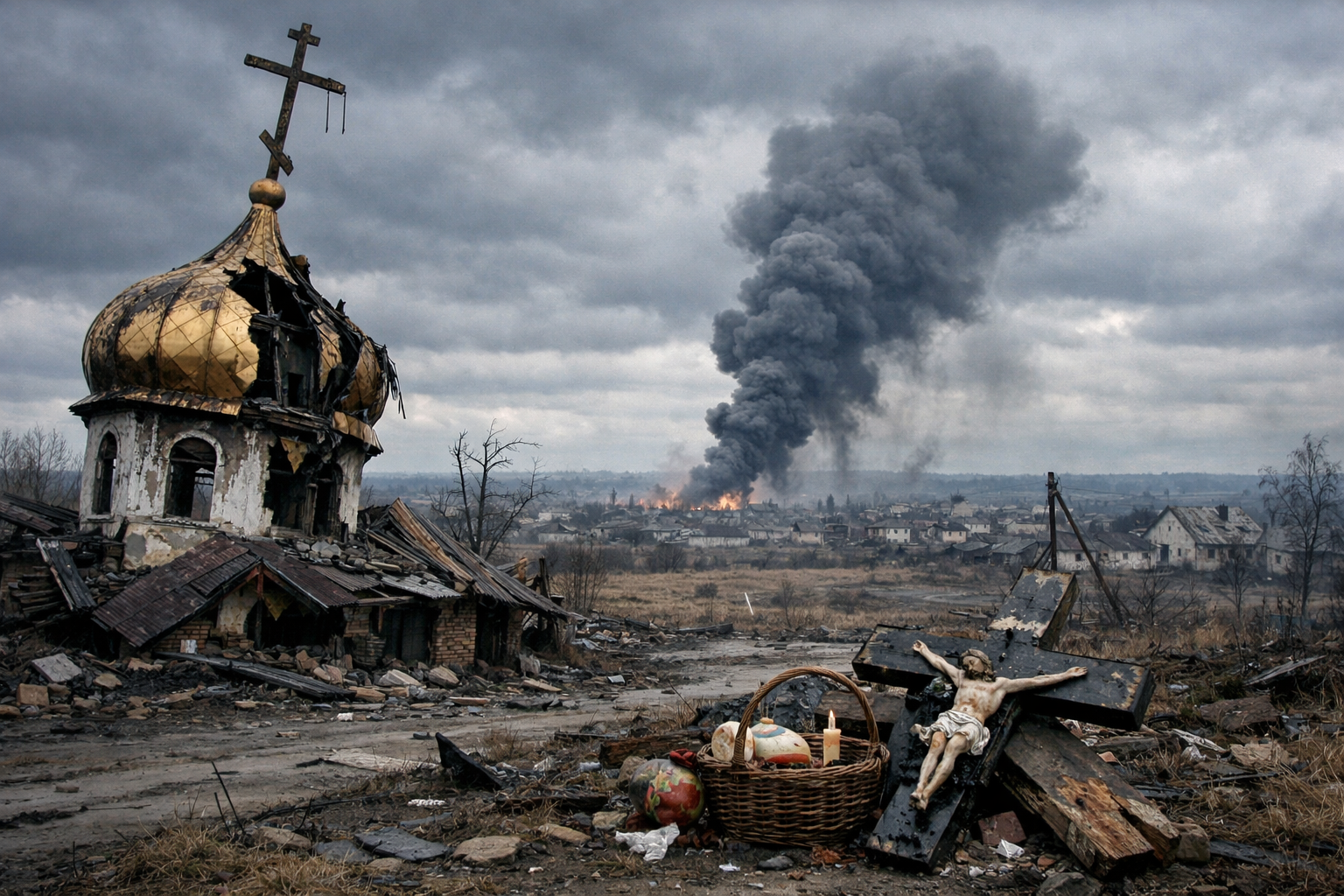
The solemnity of Orthodox Easter, a period traditionally marked by calls for peace and reflection, has been marred by renewed hostilities in the ongoing conflict between Russia and Ukraine. A proposed ceasefire, intended to provide a brief respite from the relentless fighting, has reportedly collapsed, with both nations swiftly accusing each other of violating the truce. This mutual recrimination, particularly Ukraine’s claims of continued Russian drone strikes, underscores the deep-seated mistrust and the persistent challenges in achieving even temporary peace in the war-torn region.
The Promise of an Easter Ceasefire
The idea of an Orthodox Easter ceasefire had offered a glimmer of hope for civilians caught in the crossfire and for international efforts to de-escalate the conflict. Such truces, while often fragile, provide opportunities for humanitarian aid to reach affected areas and for families to observe religious holidays without the immediate threat of violence. However, the latest developments suggest that even these brief windows of peace are proving difficult to maintain amidst the entrenched positions of both sides.
The Cycle of Accusations
As soon as reports of violations emerged, both Moscow and Kyiv were quick to point fingers. Russia accused Ukrainian forces of breaching the ceasefire, while Ukraine countered with allegations of persistent Russian aggression, specifically highlighting drone attacks. This cycle of accusations is a familiar pattern in the conflict, making it challenging for external observers to ascertain the full truth and for any meaningful de-escalation to take hold. The breakdown of such a religiously significant truce further complicates future peace initiatives. For more on how conflicts impact justice and peace, see [Justice Served: Nigeria Secures Mass Convictions of Islamist Militants in Landmark Abuja Trials](https://naira.blog/justice-served-nigeria-secures-mass-convictions-of-islamist-militants-in-landmark-abuja-trials/).
The Impact of Continued Hostilities
The failure of the Easter ceasefire carries significant implications. For the civilian population, it means continued suffering, displacement, and loss of life. For the international community, it signals the enduring difficulty of mediating a resolution to the conflict. The reported drone strikes, in particular, demonstrate a continued intent to inflict damage and maintain military pressure, even during periods designated for peace.
A Setback for Diplomacy
Each violation of a ceasefire, no matter how brief, erodes trust and makes future diplomatic efforts more arduous. It reinforces the perception that neither side is fully committed to a peaceful resolution, preferring instead to pursue military objectives. This setback for diplomacy could prolong the conflict, leading to further humanitarian crises and regional instability.
Conclusion: A Lingering Shadow Over Easter
The shattered Orthodox Easter truce casts a long shadow over the prospects for peace in Ukraine. The mutual accusations of violations and the continuation of hostilities serve as a stark reminder of the brutal realities of war and the immense challenges in bringing it to an end. As the conflict grinds on, the international community must redouble its efforts to foster genuine dialogue and find a sustainable path towards a lasting peace, ensuring that future holidays are not overshadowed by the specter of violence.