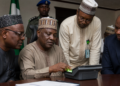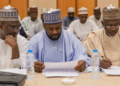
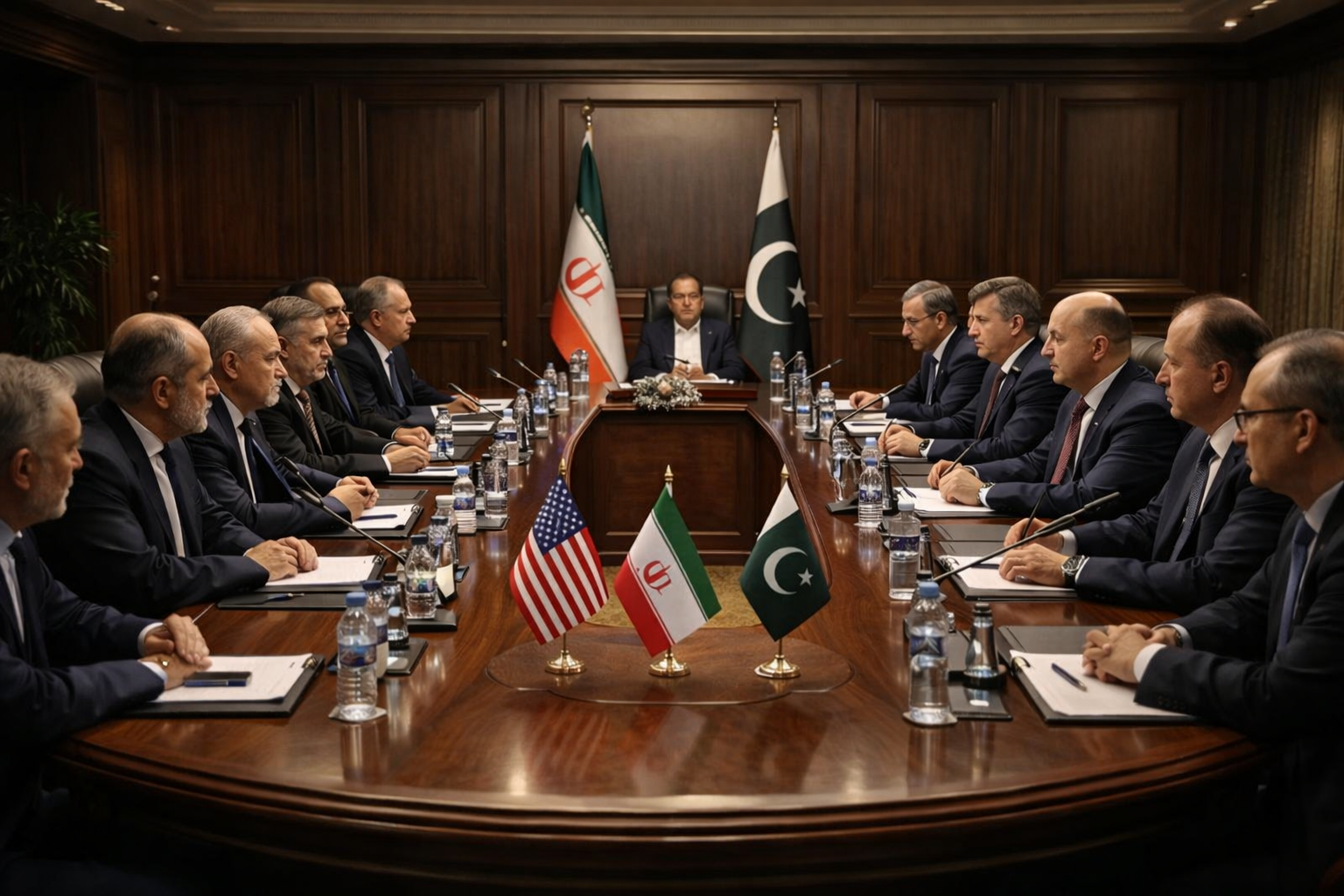
In a significant diplomatic push, high-level delegations from the United States and Iran have converged in Islamabad, Pakistan, for direct talks aimed at de-escalating a six-week-old conflict. The discussions, which began on Saturday, April 11, 2026, are a critical follow-up to a recently brokered, albeit fragile, ceasefire. This pivotal meeting underscores a concerted effort to navigate the complex geopolitical landscape of the Middle East and foster a more stable regional environment.
Islamabad: The Neutral Ground for Crucial Negotiations
Pakistan has emerged as a crucial mediator in these high-stakes negotiations. Prime Minister Shehbaz Sharif played a pivotal role, engaging in separate bilateral meetings with both the US and Iranian delegations before the direct talks commenced. Sharif expressed optimism that these discussions would serve as a foundational step towards achieving lasting peace in the region. The choice of Islamabad as a neutral venue highlights the international community’s recognition of Pakistan’s diplomatic influence in facilitating dialogue between historically adversarial nations.
Key Players and Their Stances
The US delegation is spearheaded by Vice President JD Vance, accompanied by special envoy Steve Witkoff and President Donald Trump’s son-in-law, Jared Kushner. Representing Iran is a substantial delegation of over 70 officials, led by parliamentary Speaker Mohammad Bagher Ghalibaf and Foreign Minister Abbas Araghchi. The presence of such high-ranking officials from both sides signals the gravity and potential impact of these talks.
Iranian state media indicated that the three-party talks proceeded only after certain preconditions were met, notably a reduction in Israeli military actions in Lebanon. This point remains a significant area of contention, with Israel and the US asserting that the Lebanon campaign is separate from the broader Iran-US ceasefire, while Tehran and Islamabad maintain its interconnectedness. Reports suggest a potential understanding to limit strikes to southern Lebanon, though a comprehensive ceasefire in the area is yet to be formalized.
Unfreezing Assets and Persistent Challenges
Another critical aspect of the negotiations involves the potential unfreezing of Iranian assets, a move that could significantly impact Iran’s economic stability. However, the path to a comprehensive resolution is fraught with challenges. Iran’s continued blockade of the Strait of Hormuz, which has severely disrupted global energy supplies, remains a major sticking point. The ongoing conflict between Israel and Iran-backed Hezbollah in Lebanon further complicates efforts to achieve a lasting peace.
Statements from both sides reflect the delicate nature of the discussions. Iranian Speaker Ghalibaf emphasized Iran’s readiness for a genuine agreement that respects its rights, while also voicing skepticism rooted in past experiences of
broken promises from the US. Vice President Vance, while optimistic, cautioned against any attempts by Iran to manipulate the negotiations. President Trump, in a social media post, asserted that Iran’s willingness to negotiate stemmed from a position of weakness, highlighting the international pressure on the nation.
The Road Ahead: Hope and Uncertainty
While the initial reports from Islamabad suggest some progress, particularly regarding the potential for limiting strikes in southern Lebanon and movement on unfreezing Iranian assets, the overall outcome remains uncertain. The talks are expected to continue, with the world watching closely to see if these direct negotiations can pave the way for a durable peace in a region long plagued by conflict. The success of these discussions hinges on the ability of both sides to overcome deep-seated mistrust and find common ground on critical issues that extend beyond the immediate ceasefire.