Nigeria Unveils 48 Terrorism Financiers: A Bold Step Against Extremism
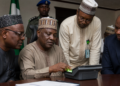
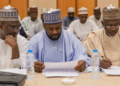
In a decisive move to bolster national security and dismantle networks supporting extremist activities, the Nigerian government has officially released an updated list of 48 individuals and groups sanctioned for their alleged involvement in terrorism financing. This significant announcement underscores Nigeria’s unwavering commitment to combating terrorism and its determination to disrupt the financial lifelines that fuel instability across the nation.
The comprehensive list, made public by the authorities, includes a diverse array of individuals and organizations. Among the prominent names are Tukur Mamu, Abdulsamat Ohida, Mohammed Sani, and Fatima Ishaq. The sanctions also extend to several groups, notably the Indigenous People of Biafra (IPOB), the Islamic State West Africa Province (ISWAP), Ansarul Sudan (ANSARU), and Jama’atu Wal-Jihad. This broad sweep indicates a concerted effort to address various facets of terrorism and insurgency that have plagued different regions of Nigeria.
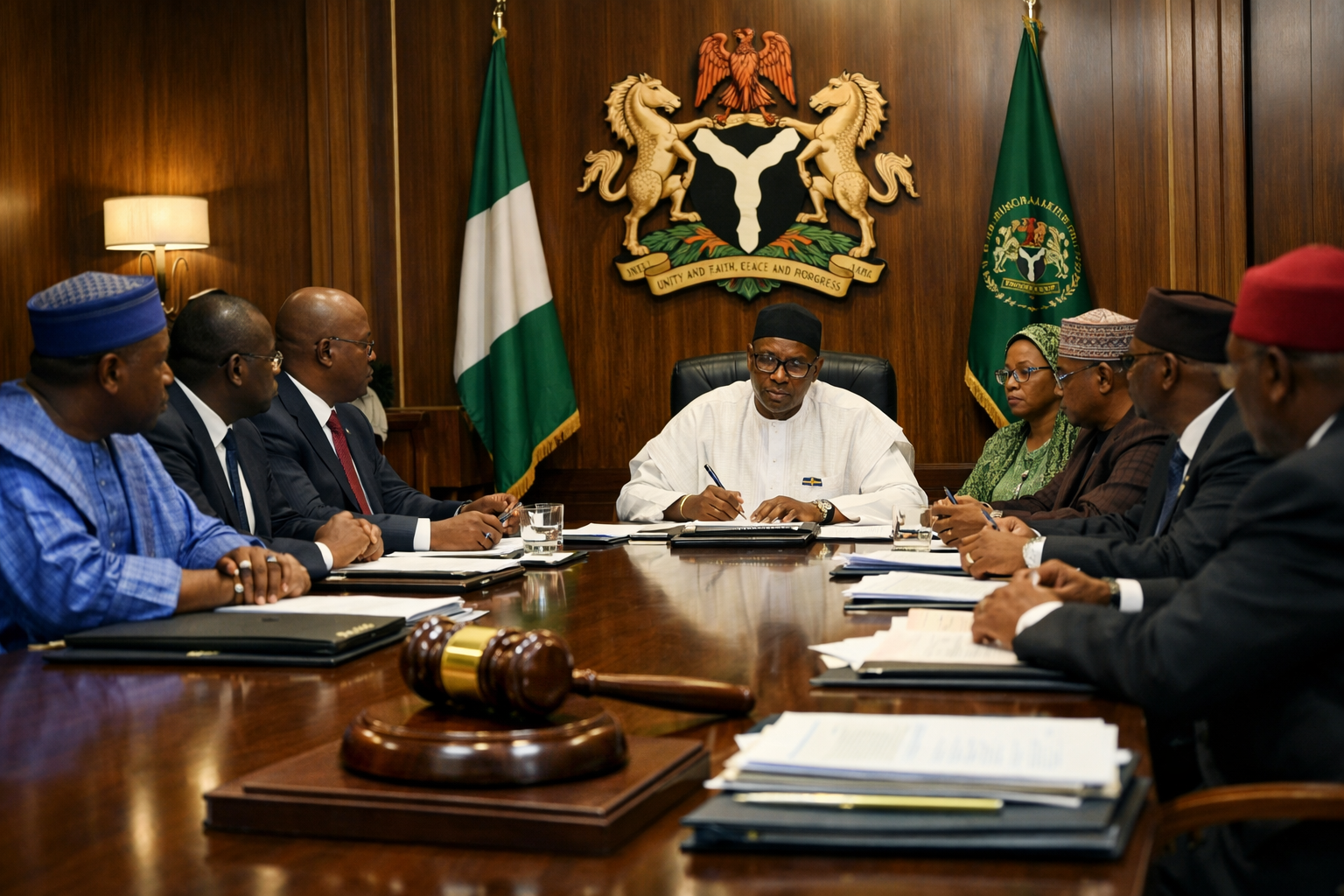
Legal Framework and International Commitments
The government’s action is firmly rooted in the Terrorism (Prevention and Prohibition) Act, 2022, a robust legal framework designed to empower authorities in their fight against terrorism. Central to this effort is the Nigeria Sanctions Committee (NSC), chaired by the Attorney-General of the Federation and Minister of Justice. The NSC is tasked with implementing United Nations Security Council Resolutions (UNSCRs) on Targeted Financial Sanctions, reflecting Nigeria’s adherence to international standards in combating global terrorism.
Targeted Financial Sanctions are critical tools aimed at denying individuals or entities associated with terrorism, terrorism financing, and the proliferation of weapons of mass destruction (WMDs) access to vital assets, funds, equipment, or support. By enforcing these sanctions, Nigeria aligns itself with global efforts to starve terrorist organizations of resources, thereby weakening their operational capabilities and preventing future attacks. This strategic approach is vital for maintaining peace and security, not just within Nigeria but also across the West African sub-region. For more details on Nigeria’s legal battles against crime, visit Naira.blog’s legal affairs section.
Impact and Future Implications
The unveiling of this list is expected to have far-reaching implications. It sends a clear message to those involved in or contemplating terrorism financing that the Nigerian government is serious about accountability. The move is also likely to enhance intelligence gathering and collaboration with international partners, as the disruption of financial networks often requires cross-border cooperation. However, the effectiveness of these sanctions will depend on rigorous enforcement and continuous monitoring to prevent circumvention.
This development comes amidst a dynamic political climate, where issues of national security often intersect with other pressing concerns. For instance, the recent controversy surrounding the INEC Chairman and Atiku Abubakar’s critique of President Tinubu’s economic policies both highlight the complex challenges facing Nigeria. The government’s proactive stance against terrorism financing is a crucial component of its broader strategy to ensure stability and foster an environment conducive to economic growth and democratic consolidation.