

Politics
INEC Chairman Under Fire: Old Tweet Sparks Fresh Neutrality Debate
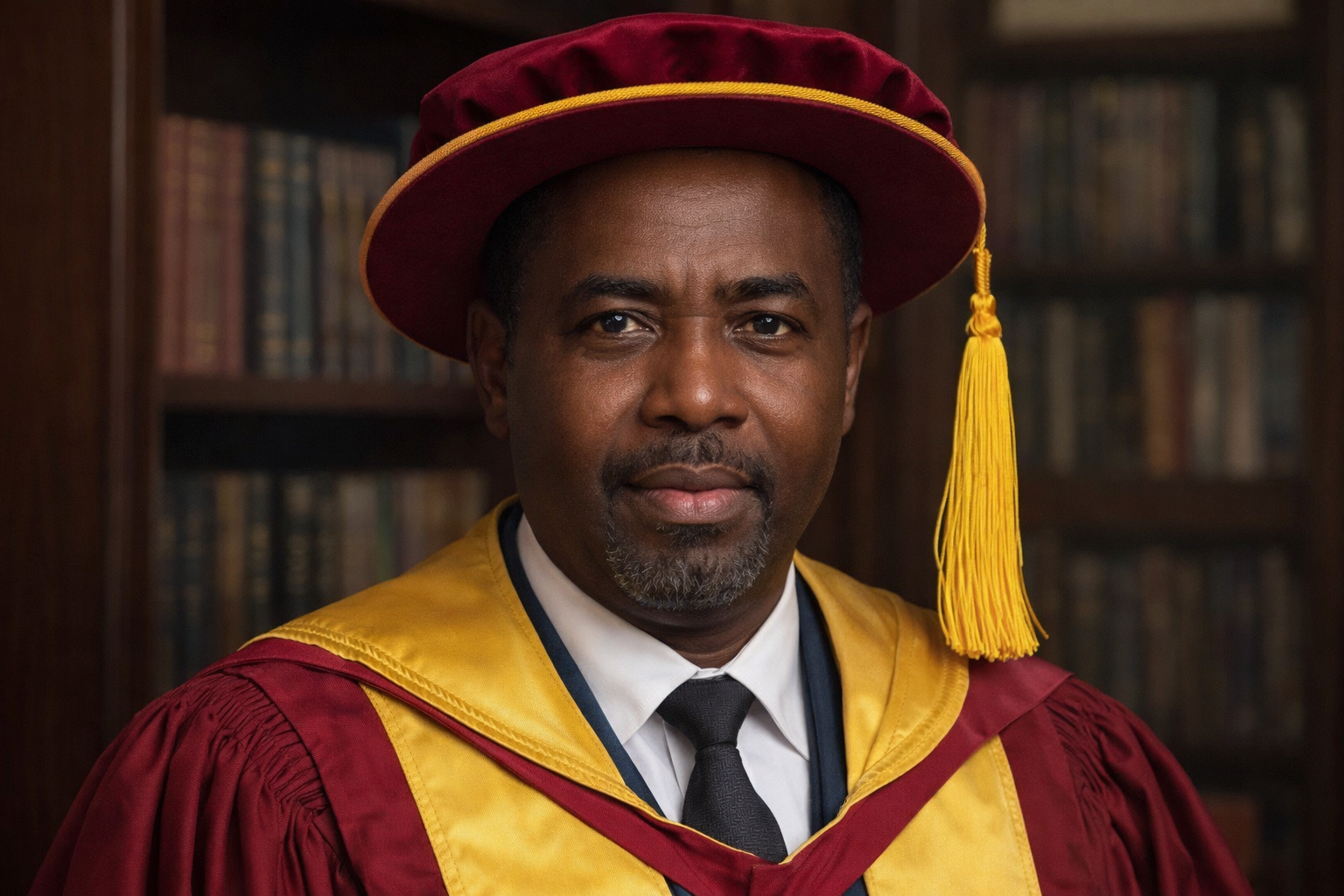
The integrity of Nigeria’s electoral process has once again been thrust into the spotlight, as the Chairman of the Independent National Electoral Commission (INEC), Professor Joash Amupitan, faces renewed scrutiny over alleged partisan comments made prior to the 2023 general elections. The controversy stems from claims that an old tweet, purportedly from an account linked to Amupitan, displayed clear support for the All Progressives Congress (APC), igniting a fierce debate about the impartiality of the nation’s chief electoral umpire.
The allegations gained significant traction following a column published by US-based Nigerian scholar, Farooq Kperogi. Kperogi asserted that archived posts from an X (formerly Twitter) account bearing Professor Amupitan’s name revealed sentiments overtly supportive of the APC and President Bola Ahmed Tinubu. A particular tweet, which read “Victory is sure!” in response to a post by Dayo Israel, the National Youth Leader of the APC, has become a focal point of the accusations. This specific interaction, Kperogi argued, severely undermines public confidence in INEC’s neutrality and prompted calls for the Chairman’s resignation.
INEC’s Stance and Public Reaction
In response to the escalating claims, INEC has vehemently denied the allegations. The commission, through its Chief Press Secretary and Media Adviser to the Chairman, Adedayo Oketola, issued a statement refuting the claims, asserting that Professor Amupitan does not operate any account on X. INEC further warned the public about the activities of impersonators and cybercriminals who use fake identities to spread misinformation, reaffirming its commitment to conducting free, fair, and credible elections.
However, public reaction to the controversy has been sharply divided. Many Nigerians on social media have expressed serious ethical concerns, insisting that if the alleged posts are proven true, they would significantly erode the credibility of the electoral body. Critics argue that such a situation makes it difficult for the public to trust INEC’s impartiality, especially given the sensitive nature of its role in Nigeria’s democracy. Some, including the African Democratic Congress (ADC), have even threatened civil disobedience until Professor Amupitan resigns, highlighting the depth of public distrust.
The Debate Over Authenticity and Implications
Conversely, a segment of the public has challenged the basis of the allegations, questioning the conclusive evidence linking the disputed X account directly to the INEC Chairman. Doubts have been raised about the account’s ownership, with some pointing out that it had undergone multiple username changes. Concerns were also voiced regarding the reliance on artificial intelligence tools for verification, suggesting that such methods might not be entirely reliable in establishing definitive links.
This ongoing debate underscores the fragile nature of public trust in electoral institutions and the critical importance of perceived neutrality. As Nigeria approaches future elections, the controversy surrounding Professor Amupitan’s alleged past social media activity serves as a potent reminder of the need for transparency and unwavering impartiality from those entrusted with safeguarding the democratic process. The outcome of this debate could significantly influence public perception and participation in upcoming electoral cycles, emphasizing the continuous need for vigilance and accountability in Nigeria’s political landscape. For more insights into electoral matters, visit Naira.blog’s electoral reforms section.
The situation also brings to mind other recent political discussions, such as Atiku Abubakar’s recent critique of President Tinubu’s economic policies, where the focus remains on the welfare and trust of the Nigerian populace. The interplay of these events paints a complex picture of Nigeria’s political environment, where every action and statement by public figures is met with intense scrutiny and debate.